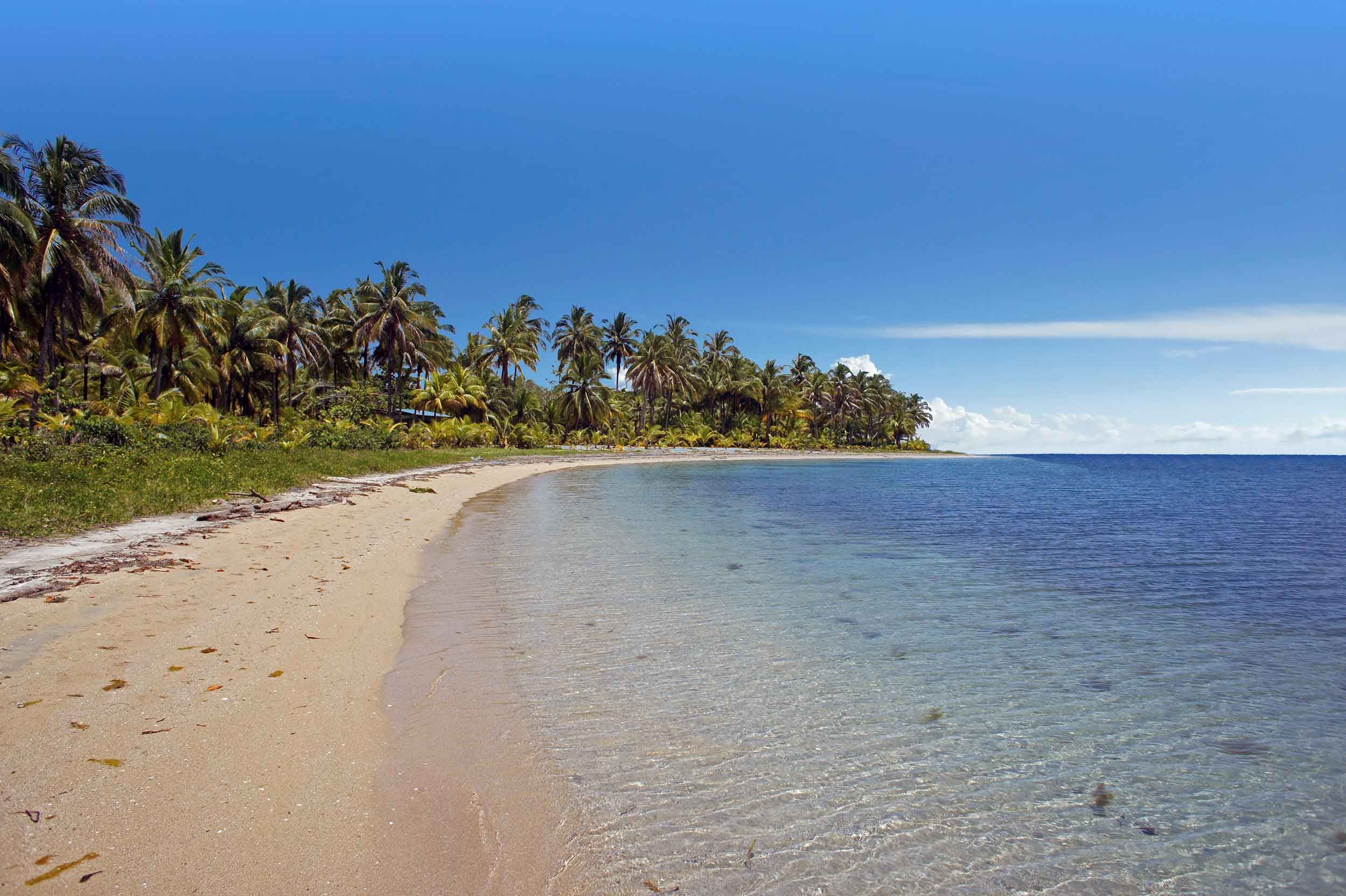
Arenal volcano and tropical beaches experience!

Northern Region

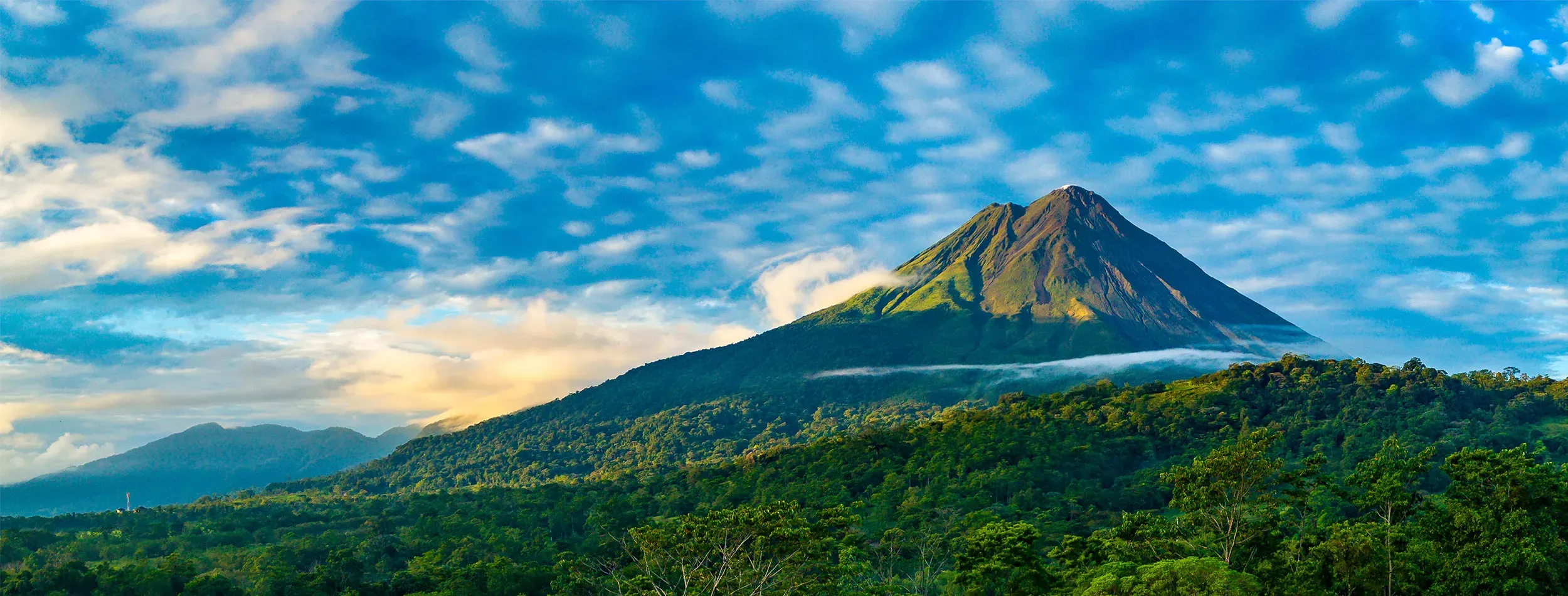
The dynamic Arenal Volcano stands as the centerpiece of Costa Rica’s Northern Zone, captivating visitors with its energy and natural beauty.


The Northern Region of Costa Rica: A Gateway to Untamed Nature
The northern region of Costa Rica is a place where nature thrives in its purest form, offering endless opportunities for adventure. Whether you’re standing in awe at the base of the mighty Arenal Volcano or wandering through the misty cloud forests of Monteverde, this area presents a stunning mix of landscapes, wildlife, and eco-friendly activities. You’ll find untouched forests, lively wetlands, and peaceful lakes, all nestled in one of the most biodiverse regions on the planet.

Whether you’re an adrenaline seeker or a nature enthusiast, Costa Rica’s northern region offers an unforgettable experience. Let’s explore what makes this wild part of the country so special.


Geography and Climate: A Land of Contrasts
The northern region boasts a variety of landscapes that are both dramatic and diverse. The highlight is undoubtedly the Arenal Volcano, which towers 1,633 meters (5,436 feet) above the surrounding plains and looks out over Lake Arenal. Since its eruption in 1968, Arenal has attracted visitors from around the world, especially when its bright red lava was visible from nearby hot springs resorts at night. Although the volcano has been quiet in recent years, its geothermal activity still powers natural hot springs in the area.

The climate here is just as varied as the landscape. In places like the Monteverde cloud forests, mist rolls in and cloaks the green hills, creating a mysterious atmosphere. Meanwhile, the northern plains bask under a warm tropical sun, making it perfect for exploring rivers and wetlands like the Caño Negro Wildlife Refuge.


Top Destinations in the Northern Region


1. Arenal Volcano National Park
Arenal Volcano is the northern region’s most iconic sight, its perfect cone dominating the horizon. While the volcano is now resting, it was once a dramatic feature of the landscape, with glowing lava rivers lighting up the night sky. Even without the eruptions, Arenal remains a symbol of Costa Rica’s natural power. The surrounding area, filled with primary forests and scenic hiking trails, is also home to Lake Arenal, the country’s largest lake.

Nature lovers and thrill-seekers will find plenty to do here. You can hike through lush forests, enjoy windsurfing on the lake, or take a wildlife tour. With over 850 bird species in Costa Rica, more than 600 can be spotted in this region alone.

Activities:

  • Hiking through lava fields and exploring nature trails.
  • Relaxing in natural hot springs, like those at Tabacón.
  • Birdwatching and wildlife tours in the nearby forests.

Recommended Hotels:

  • Tabacón Thermal Resort & Spa: A luxury stay with access to natural hot springs.
  • The Springs Resort & Spa: A high-end retreat with breathtaking views and adventure options.
  • Nayara Gardens: A boutique eco-lodge tucked into the rainforest for a more intimate experience.

2. Monteverde Cloud Forest
High up in the Tilarán Mountains, Monteverde (which translates to “green mountain”) truly lives up to its name. As one of Costa Rica’s most well-known eco-tourism spots, Monteverde is a haven for bird lovers and nature enthusiasts. The Monteverde Cloud Forest Reserve is a biodiversity paradise with eight distinct ecological zones. Here, you’ll find over 400 bird species, including the stunning Resplendent Quetzal, the endangered Bellbird, and the colorful Emerald Toucanet.

Monteverde also hosts an impressive range of mammals, insects, and plants, and is home to 30 different species of hummingbirds. Early morning is the best time for wildlife spotting, and don’t miss the chance to visit the Hummingbird Gallery for an up-close view of these tiny creatures.

Activities:

  • Walking across hanging bridges and experiencing canopy tours.
  • Early morning birdwatching to catch a glimpse of the Resplendent Quetzal.
  • Visiting the Hummingbird Gallery.

Recommended Hotels:

  • Hotel Belmar: An eco-luxury lodge with incredible forest views and a strong focus on sustainability.
  • Monteverde Lodge & Gardens: A charming hotel surrounded by nature, offering easy access to hiking trails.
  • Senda Monteverde Hotel: A luxury eco-lodge that balances sustainability with high-end comfort.

3. Sarapiquí
Before highways, the Sarapiquí River was a major route for trade and travel through Central America. Today, it remains a popular destination for those who want to get closer to Costa Rica’s wildlife. The river winds through 84 kilometers of diverse landscapes, offering chances to spot monkeys, turtles, caimans, and countless bird species.

Sarapiquí is also a great spot for adventure activities. You can enjoy white-water rafting, river safaris, or hiking through the surrounding forests.

Activities:

  • Rafting along the Sarapiquí River.
  • River safaris to spot birds and other wildlife.
  • Exploring nearby reserves for rainforest hikes and hidden waterfalls.

4. Caño Negro Wildlife Refuge
Caño Negro Wildlife Refuge, located near the Nicaraguan border, is internationally recognized for its role in wetland conservation. During the dry season, it becomes a hub for thousands of migratory birds, including the rare Jabiru Stork. The area is also home to caimans, turtles, and the prehistoric Gaspar fish, which is considered a living fossil.

The refuge changes dramatically with the seasons, making it an interesting destination year-round. The best way to experience it is through a boat tour, where you can see the wildlife up close.

Activities:

  • Birdwatching boat tours.
  • Wildlife photography and eco-tours focused on conservation.
  • Exploring the park’s trails to spot reptiles like caimans and turtles.

Recommended Hotels:

  • Hotel de Campo: A family-run lodge offering guided wildlife tours.
  • Natural Lodge Caño Negro: A cozy eco-lodge perfect for those who want comfort while staying close to nature.

Guanacaste Costa Rica

Guanacaste & The Nicoya Peninsula: Your Ultimate Guide to Costa Rica’s Pristine Beaches and National Parks

There’s nothing quite like the peaceful sound of waves rolling onto the shore—nature’s rhythm, creating a sense of calm and freedom. In Guanacaste and the Nicoya Peninsula, this feeling is always there. These two regions of Costa Rica are famous not only for their incredible beauty but also for their unique culture and miles upon miles of unspoiled beaches.

But what makes these places stand out isn’t just the beaches. Guanacaste and the Nicoya Peninsula offer so much more—adventure, history, and the kind of natural beauty that turns any visit into a remarkable experience. Let’s explore what makes these regions truly special.


1. Guanacaste’s Beautiful Beaches

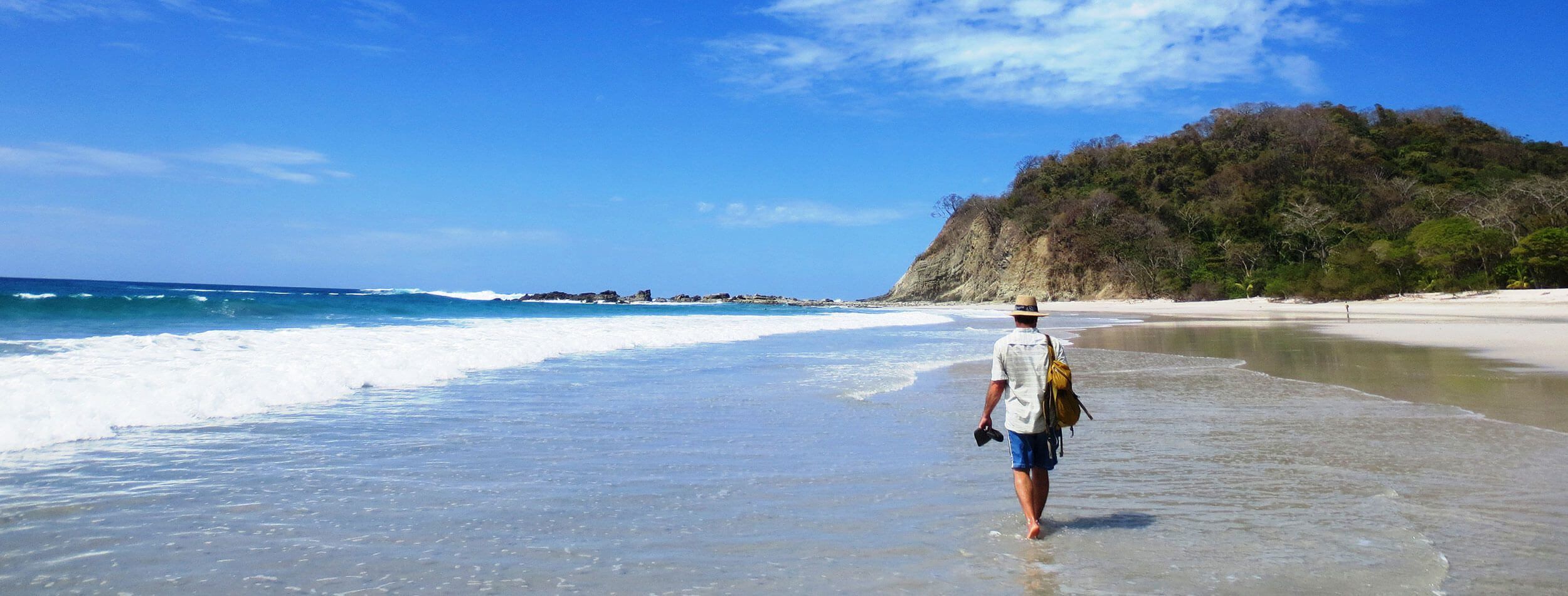
Guanacaste, known as Costa Rica’s “Gold Coast,” offers a coastline that feels endless. Each beach has its own charm—some are framed by dramatic cliffs, while others feature expansive stretches of golden sand, perfect for long, leisurely walks.

Playa Conchal: A Beach of Seashells

Ever imagined walking on a beach covered in tiny seashells? That’s Playa Conchal. This unique beach in Guanacaste is known for its shimmering shoreline made of crushed shells. The crystal-clear water invites you to snorkel and discover the colorful marine life below, teeming with fish and coral.

Tucked away from busier areas, Playa Conchal is ideal for those seeking a quiet retreat. Its calm, turquoise waters are perfect for swimming or simply floating in serenity.

Tamarindo: The Surfing Capital

For those seeking adventure, Tamarindo is the place to be. This beach is the heart of surf culture, drawing surfers from across the globe. Whether you’re an expert or a beginner, Tamarindo’s consistent waves and warm waters make it a surfer’s paradise. But the fun doesn’t end at the beach. Tamarindo’s streets are alive with energy, offering great restaurants, beach bars, and vibrant markets.

Not into surfing? Tamarindo’s long sandy beach is perfect for sunbathing or watching the stunning sunsets that light up the sky in a burst of color every evening.

Playa Flamingo: Luxury by the Sea

Looking for a more upscale beach experience? Playa Flamingo offers soft white sand and tranquil waters, making it ideal for families and couples who want to unwind. Known for its calm, clear waters, Playa Flamingo is perfect for swimming, while the crescent-shaped bay provides a sheltered harbor for yachts and sailboats.

For those interested in more than relaxation, this beach is also a hotspot for deep-sea fishing, diving, and sunset cruises. Its peaceful, refined atmosphere makes Playa Flamingo a top choice for travelers seeking luxury in nature.


2. Exploring Guanacaste’s National Parks

Guanacaste isn’t just about beaches; it’s also home to some of Costa Rica’s most impressive national parks, where you can explore a range of landscapes, from volcanoes to tropical dry forests.

Rincón de la Vieja National Park: A Volcanic Adventure

Centered around the Rincón de la Vieja volcano, this park is a must for hikers and adventurers. The trails here take you past bubbling mud pools, steaming vents, and natural hot springs, offering a glimpse into the geothermal forces at work beneath the earth.

Beyond the volcanic features, the park is rich in wildlife and waterfalls, providing visitors a chance to see monkeys, toucans, and more. After a day of exploring, take a dip in one of the park’s refreshing natural pools or hot springs.

Santa Rosa National Park: A Blend of Nature and History

Santa Rosa National Park offers both natural beauty and a touch of history. It’s the site of the famous Battle of Santa Rosa, where Costa Rican forces triumphed in 1856. The historic hacienda still stands, now part of the park’s museum.

This park protects one of the last tropical dry forests in the world and is home to wildlife such as howler monkeys and a wide variety of bird species. Santa Rosa also features beautiful, remote beaches like Playa Naranjo, a nesting site for sea turtles.

Palo Verde National Park: A Wetland Haven

If you’re a birdwatcher or nature enthusiast, Palo Verde is a must-visit. This park’s wetlands attract hundreds of bird species, making it one of the best spots for birdwatching in Costa Rica. A boat tour along the Tempisque River offers a chance to see crocodiles and other wildlife in their natural habitat.

Palo Verde’s mix of wetlands and dry forest makes it unique, offering a rich diversity of plant and animal life. It’s a peaceful, less-traveled destination for those seeking a quiet connection with nature.


3. Nicoya Peninsula: The Untouched Gem

While Guanacaste has more developed infrastructure, the Nicoya Peninsula feels like stepping back in time. It’s wild, untamed, and perfect for travelers who want to disconnect from the modern world.

Santa Teresa: The Free-Spirited Escape

Santa Teresa has become a favorite for surfers and free spirits alike. With long stretches of white sand and lush jungle backdrops, it’s the ideal destination for those looking to slow down and soak in the natural surroundings. Surf by day, relax by night, and join the locals on the beach each evening to watch the breathtaking sunset.

Montezuma: A Hidden Paradise

Nestled on the eastern edge of the Nicoya Peninsula, Montezuma is a small, laid-back town surrounded by jungle and waterfalls. Its beaches are rugged and wild, perfect for those who love nature. Hiking, zip-lining, and wildlife spotting are popular here, and the gentler waves make for excellent swimming.

Playa Hermosa: A True Beauty

True to its name, Playa Hermosa is a serene and beautiful stretch of sand near the town of Cobano. With palm trees lining the shore, gentle waves, and a quiet atmosphere, it’s the perfect spot to unwind. Ideal for families and wellness seekers, Playa Hermosa offers a peaceful environment to relax and recharge.


4. More Than Just Beaches: An Immersive Experience

The real magic of Guanacaste and the Nicoya Peninsula is how these destinations connect you with nature. Whether you’re snorkeling in Playa Conchal or meditating on a quiet beach in Santa Teresa, these regions offer more than just scenery—they offer a chance to experience Costa Rica’s natural beauty in a deeply personal way.

Add the nearby national parks, and you have an unbeatable blend of beach life and wild adventures.


5. Practical Travel Tips

  • Best Time to Visit: The dry season (December to April) offers sunny skies and smooth roads, making it the best time for beachgoers and park explorers. The rainy season (May to November) brings lush landscapes but may require a 4×4 vehicle to navigate some of the more rugged areas.
  • Eco-Friendly Travel: Both regions are known for their commitment to sustainability. Many hotels focus on eco-tourism, offering environmentally responsible lodging options.

Embrace Costa Rica’s Natural Beauty

The beaches of Guanacaste and the Nicoya Peninsula aren’t just beautiful—they’re experiences that stay with you. From the vibrant surf scene in Tamarindo to the quiet sands of Montezuma, these beaches offer something for every traveler. Add in the nearby national parks, and you’ve got the perfect mix of adventure and relaxation in one of the world’s most stunning natural environments.

Pack your sunscreen and get ready for the adventure of a lifetime in Costa Rica!

Central Pacific

Costa Rica’s Central Pacific Coast: A Year-Round Tropical Playground

The Central Pacific Coast of Costa Rica is a stunning stretch of coastline, where dense tropical forests meet the deep blue of the Pacific Ocean. The region’s mix of lush vegetation, long stretches of gray-sand beaches, and rich biodiversity makes it an all-encompassing destination for nature lovers, beachgoers, and adventurers alike. This area is characterized by its unique position between the drier landscapes of the North Pacific and the lush, rain-soaked forests of the South Pacific, offering a diverse range of ecosystems in close proximity.

Tropical paradise beach in Manuel Antonio, Costa Rica, ideal for nature lovers and beachgoers

Key Destinations on the Central Pacific Coast

  1. Manuel Antonio National Park
    Manuel Antonio is Costa Rica’s smallest national park but arguably its most famous, known for its combination of picturesque beaches and rich rainforest. Visitors can hike trails teeming with wildlife such as monkeys, sloths, and iguanas, while enjoying breathtaking views of offshore islands. Its white-sand beaches are perfect for swimming and sunbathing, while more adventurous travelers can indulge in snorkeling, kayaking, or hiking. It’s no surprise that this park is frequently listed among the most beautiful places in the world, making it a must-visit for any itinerary.
    Pro Tip: Arrive early to avoid crowds and take advantage of guided tours to spot wildlife more easily. Remember, the park is closed on Mondays.
  2. Carara Biological Reserve
    Located just a short drive north of Manuel Antonio, Carara is a transition zone where the dry forests of the north blend into the humid forests of the south. This reserve is a birdwatcher’s paradise, home to the magnificent scarlet macaws, which nest here in large numbers. Its easy-to-navigate trails make it a great destination for families and casual hikers who want to experience Costa Rica’s rich biodiversity.
    Pro Tip: Bring binoculars and a bird guidebook, as the park is home to over 400 bird species, making it one of the best places for birdwatching in the country.
  3. Jaco Beach
    Known for its legendary surf breaks and vibrant nightlife, Jaco Beach is a hub for surfers, partygoers, and families alike. While the waves attract surfers from around the world, Jaco also offers a wide range of activities for non-surfers, such as ATV tours, horseback riding, zip-lining, and sport fishing. The town is also a great base for exploring the surrounding mountains and national parks.
    Pro Tip: Stay in Jaco if you want easy access to both beach and nightlife. It’s a great location for younger travelers and adventure seekers.
  4. Playa Hermosa
    Just south of Jaco, Playa Hermosa is another top surfing destination with strong, consistent waves. Unlike Jaco, Hermosa is quieter and more laid-back, making it a great spot for those who want a less touristy experience while still enjoying world-class surf. The beach is long and mostly untouched, perfect for sunset walks.
    Pro Tip: Visit in July to witness the International Surf Championship, a popular event among the global surfing community.
  5. Quepos
    As the gateway to Manuel Antonio, Quepos is a bustling fishing town known for its sport fishing opportunities. Offshore, the waters are teeming with marlin, sailfish, and other big-game fish, making it one of the best fishing spots in Costa Rica. The town also has a growing ecotourism scene, with mangrove tours, birdwatching, and waterfall hikes.
    Pro Tip: Plan a fishing trip with one of the many charters in Quepos, or explore the rich mangrove forests by boat.
  6. Tarcoles River and Crocodile Bridge
    A quick stop near Carara Biological Reserve, the Tarcoles River is famous for its crocodiles. The aptly named “Crocodile Bridge” allows travelers to view large American crocodiles lounging along the riverbanks from the safety of the bridge. For a closer look, boat tours take visitors down the river to see these giant reptiles in their natural habitat.
    Pro Tip: A visit to the Crocodile Bridge is a great pit stop on your way to or from Carara or Jaco. For an even better experience, take one of the guided boat tours available in the area.

Scarlet macaws flying in the Costa Rican sky, representing the freedom and beauty of wildlife in Costa Rica

Adventurous Activities on the Central Pacific Coast

  • Whitewater Rafting: The rivers that flow from the mountains into the Pacific offer some of the best whitewater rafting experiences in Costa Rica. The Naranjo and Savegre Rivers are popular choices, with rapids suitable for both beginners and seasoned rafters.
  • Canopy Tours and Zip-lining: The lush rainforests surrounding the Central Pacific are perfect for zip-lining adventures. Canopy tours in areas like Jaco and Manuel Antonio allow you to glide through the treetops, offering a bird’s-eye view of the vibrant ecosystem below.
  • Horseback Riding: From beach rides to treks through the jungle, horseback riding is a wonderful way to explore the region. Popular routes include trips to hidden waterfalls and scenic viewpoints overlooking the Pacific Ocean.
  • Sport Fishing: Quepos is internationally renowned for its sport fishing. Marlin, sailfish, tuna, and dorado are just a few of the species that make these waters a top destination for anglers.
  • Hiking and Waterfalls: The mountains and forests that back the Central Pacific coastline are full of hiking opportunities. Trails through Carara and Manuel Antonio are well-maintained, while more rugged options can be found near Dominical and further south. Don’t miss Nauyaca Waterfalls, which are some of the most impressive in Costa Rica.

Exciting white-water rafting adventure in Costa Rica with crstours, featuring a group navigating through rapids with enthusiasm.

Additional Traveler Tips

  • When to Visit: The Central Pacific enjoys warm weather year-round, but the dry season from December to April is the best time for sunny beach days. May to November brings the rainy season, which can be great for wildlife viewing and fewer crowds, but be prepared for afternoon showers.
  • Where to Stay: From luxury resorts in Manuel Antonio to surfer-friendly hostels in Jaco, the region offers accommodation for every traveler type. For families, all-inclusive resorts provide convenience and a range of activities. For couples, boutique hotels with stunning ocean views are perfect for a romantic getaway.
  • Wildlife Watching: Keep your eyes peeled for Costa Rica’s famous wildlife. Manuel Antonio and Carara are teeming with animals, but even outside the parks, you’re likely to spot monkeys, sloths, and a variety of tropical birds.

Explore More Beyond the Popular Spots

For those looking to go beyond the well-known destinations, consider visiting lesser-traveled areas like Playa Dominical, a surfer’s haven further south, or the quiet beaches of Esterillos Este and Bejuco, ideal for those seeking tranquility away from the more touristy areas. Both spots offer long stretches of undeveloped beaches, ideal for peaceful retreats.

Handpicked Hotels for Tailormade Stays

Whether you’re looking for eco-friendly luxury, family-friendly resorts, or romantic hideaways, CRS Tours has selected the best hotels in the region to suit your preferences.

  1. Arenas del Mar Beachfront & Rainforest Resort (Manuel Antonio)
    This award-winning eco-resort offers stunning oceanfront views and access to a private beach. A great choice for luxury-seeking travelers, Arenas del Mar combines environmental sustainability with world-class service. Guests can enjoy guided nature walks, spa treatments, and gourmet dining.
  2. Hotel Parador Resort & Spa (Manuel Antonio)
    Set amidst lush tropical forests and overlooking the Pacific, Parador is perfect for families and couples alike. With its expansive pools, fine dining, and proximity to Manuel Antonio National Park, this resort combines luxury with adventure.
  3. Si Como No Resort, Spa & Wildlife Refuge (Manuel Antonio)
    A family-friendly, eco-conscious resort nestled in the rainforest, Si Como No offers easy access to the national park. Kids will love the pools and waterslides, while adults can unwind at the on-site spa. The resort also features its own wildlife refuge, making it a great educational experience for children.
  4. Gaia Hotel & Reserve (Manuel Antonio)
    An adults-only boutique hotel, Gaia is perfect for couples seeking a romantic, private escape. Located within a private nature reserve, the hotel provides personalized service, luxurious rooms, and panoramic views of the surrounding rainforest and coast.
  5. Los Sueños Marriott Ocean & Golf Resort (Near Jaco)
    Located near Jaco Beach, Los Sueños is an all-inclusive resort featuring a championship golf course and marina. It’s ideal for families and groups looking for both adventure and relaxation, with easy access to sport fishing, zip-lining, and surfing.
  6. Villa Caletas Hotel (Near Jaco)
    Known for its breathtaking sunsets and stunning hilltop location, Villa Caletas is a luxurious, boutique hotel perfect for couples or those celebrating special occasions. Guests can enjoy infinity pools, spa treatments, and the hotel’s private beach.
  7. Croc’s Resort & Casino (Jaco)
    A lively beachfront resort with a casino, Croc’s is ideal for those looking for entertainment, nightlife, and a laid-back beach experience. Its large pool and variety of dining options make it a great choice for families and groups.
  8. Beach Break Resort (Jaco)
    This affordable beachfront option caters to surfers and families alike, offering surf lessons and easy access to the famous waves of Jaco and Playa Hermosa. The resort is perfect for those seeking a relaxed, no-frills stay right on the beach.
  9. Tulemar Resort (Quepos)
    Set within a private nature reserve, Tulemar offers luxurious villas and bungalows with stunning ocean views. Its secluded location and top-tier service make it an excellent choice for families and groups seeking privacy and exclusive experiences.
  10. La Mariposa Hotel (Quepos)
    Overlooking Manuel Antonio’s beautiful coastline, La Mariposa is known for its panoramic views, elegant rooms, and infinity pools. Its close proximity to Manuel Antonio National Park makes it a perfect option for nature lovers looking to explore.

Tailored Experiences for Every Traveler

With CRS Tours, each package can be tailored to meet your needs. Whether you’re looking to surf the famous waves of Jaco Beach, hike through the rainforests of Manuel Antonio, or enjoy a luxurious sunset dinner overlooking the Pacific, we’ve got you covered.

For the luxury traveler, our handpicked hotels like Arenas del Mar and Gaia offer exclusive experiences and unmatched service. Families will love Si Como No or Croc’s Resort, where activities for children are paired with comfort and adventure for parents. Adventure seekers can stay near Jaco or Playa Hermosa, where surf, hiking, and wildlife tours are abundant.

Additionally, our customized packages ensure you can explore more secluded areas, like Playa Bejuco or Esterillos Este, where tranquility reigns, and you can enjoy uncrowded beaches and spectacular sunsets. Whether you want adrenaline-pumping activities like whitewater rafting or more relaxed pursuits like spa treatments and yoga, our Central Pacific Coast packages are designed to offer it all.


By incorporating a variety of destinations and hotel options, we offer personalized and high-quality travel experiences along Costa Rica’s Central Pacific Coast. Let us create the perfect itinerary for you, blending luxury, adventure, and the best of what this beautiful region has to offer.

Major attractions

Beaches (Herradura, Jacó, Punta Leona, Tambor, Manuel Antonio, Puntarenas and much more), Carara Biological Reserve, Iguana Park, Canopy Tour, Manuel Antonio National Park.

Activities available

Surfing, Hiking, Bird watching, Horseback riding, Pacific Island Cruises, Rafting, Sport fishing, Snorkeling, Kayaking & boat tours, jet skiing, parasailing.

Caribbean Coast

Discover the Caribbean Coast of Costa Rica: A Tropical Paradise Awaits!

The Caribbean coast of Costa Rica has all the elements a tropical paradise should have, served on a gold platter. Lush rainforests, pristine beaches, and vibrant local cultures create the perfect setting for an unforgettable getaway. This coastline runs almost 200 kilometers from the Nicaraguan border all the way into Panama and is, in simple terms, a treasure repository with its own natural beauty bound together with rich traditions.

Tortuguero National Park-Through the Majesty of Nature

If you are a nature lover, then a visit to Tortuguero National Park is not to be missed. Because of the lack of road connectivity, it is reachable only by boat or small aircraft. In fact, Tortuguero is one of the most rare tropical rainforest sanctuaries. With its complex canal system, there are a variety of experiences that the park has in store—from tranquil boat rides to kayaking and even hiking through the dense jungle trails. The park holds 18,000 hectares of land, housing incredibly abundant wildlife that includes endangered sea turtles that give Tortuguero its name. You might even get to catch the magical scene of these dashing creatures nesting on beaches from season to season.

For those who travel more on the adventurous side, kayaking through the park’s winding waterways presents a unique, close-up encounter with the rich biodiversity. As you paddle, you will see monkeys swinging through trees, colorful birds darting from branch to branch, and caimans resting on the banks. It’s physically rewarding, but the rainforest’s sights and sounds will be well worth the effort.

Traveler’s Tips

Best Time to Visit: Dry season, from December until April, provides the most comfortable weather for hiking and water activities.
Sea Turtle Nesting: If you intend to visit the nesting of sea turtles, plan your visit in July through October. For the birth of the babies, it is best to go there in months such as February to April.
Pack Smart: In this one of the wettest parts of Costa Rica, bring rain gear and insect repellent as well.

"Boat with tourists cruising along a river, surrounded by beautiful, lush nature on both sides."

Cahuita National Park: Where Jungle Meets the Sea

Cahuita National Park is the crown jewel of Costa Rica’s Caribbean coast. This park protects not just a large part of the tropical rainforest but also one of the most important coral reefs throughout the region. With more than 23,000 hectares filled with marine life, the waters of Cahuita are teeming with colorful fish, angel fish sailing above the fascinating formations of brain coral.

What is particular to Cahuita is that the passage from land to sea is absolutely smooth. While hiking down the scenic trails of this park, you’ll come across howler monkeys, sloths, and exotic birds, all with breathtaking ocean views. In fact, some trails in the park can be well-maintained, running directly alongside the beach for an easy yet immersive experience in tropical paradise.

When you have finished your hike, head into Puerto Viejo de Talamanca, a laid-back beach town just a short distance from the park. With its gold-sand beaches and world-renowned surf breaks, Puerto Viejo is the ultimate place to either kick back or catch a wave. Its blend of Latino, Afro-Caribbean and Bribri indigenous cultures combines in lively style, making it almost perfect for immersion into local life.

Traveler’s Tips

Snorkeling Gear: Bring your own or rent locally to explore Cahuita’s coral reefs.
Guided Hikes: Hire a local guide to enhance spotting wildlife and learning about the park’s unique ecosystem.
Parking: If driving to Cahuita, the park has a parking lot next to the main entrance for a small fee.

Explore Gandoca-Manzanillo: A Treasure on the Caribbean Coast

For those traveling who want to avoid crowds and find virgin lands, the Gandoca-Manzanillo Wildlife Refuge is a dream come true. This refuge, located near the Panamanian border, is Costa Rica at its most wild: rainforests fade seamlessly onto beach, and coral reefs teem with marine life. Whether snorkeling through colorful coral gardens or hiking through the tropical forest, there are endless adventure opportunities at Gandoca-Manzanillo.

It also boasts rich cultural diversity since this refuge shelters Afro-Caribbean and Bribri indigenous communities. They can behold the centuries-old cultural heritage in traditional crafts, gourmet of local cuisine, and intermingling with friendly residents. The refuge visit, if timed precisely, may even allow such visitors to catch glimpses of nesting sea turtles on the quiet beaches of the refuge-an amazingly incredible scene.

Travel Tips

Transportation: One needs a rental car to explore the area because public transportation is minimal.
Respect all the wildlife and do not touch coral while snorkeling to help protect the fragile ecosystem.
Sea Turtle Season: Visit from March until July to pay witness to the magic of the sea turtle laying season and early birth releases in the area.

Unwind in the Caribbean’s Most Pristine Beaches

Whether you are looking for your next great adventure or just simply lounge around, Costa Rica’s Caribbean coast has something for everyone. From kayaking through thick mangroves to relaxing on quiet, uncrowded beaches, this area invites you to reconnect with nature and the rich culture that thrives herein. A visit during the nesting season of the sea turtle will present one of nature’s incomparable spectacles

Family Explorer: Volcano, Rainforest & Beach

Get ready for an unforgettable journey through some of Costa Rica’s most breathtaking destinations. This carefully crafted itinerary takes you from the awe-inspiring volcanic landscapes of Arenal, through the misty cloud forests of Monteverde, and finally to the sun-soaked beaches and vibrant wildlife of Quepos/ Manuel Antonio. Whether you’re chasing waterfalls, ziplining through the treetops, or spotting sloths by the sea, each stop promises a perfect mix of adventure, relaxation, and natural beauty.

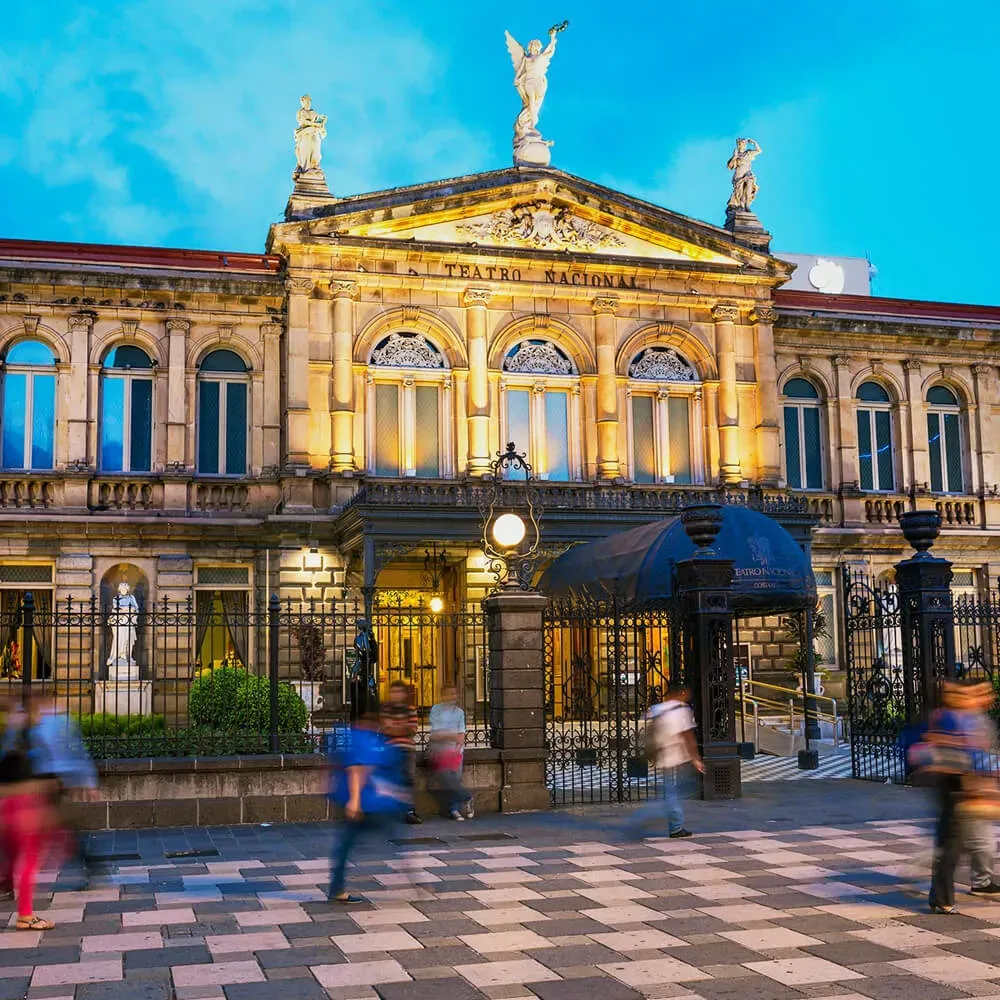
THEATER NATIONAL COSTA RICA

Central Valley

Discover the Heart of Costa Rica: The Central Valley

The Central Valley is an energetic blend of Costa Rica’s rich cultural heritage and stunning natural beauty. Here, visitors can dive into the country’s most prestigious museums, like the Gold Museum, Jade Museum, National Museum, and the Costa Rican Art Museum. Also worth exploring are the La Salle Museum of Natural Sciences and the Insect Museum at the University of Costa Rica. And you definitely can’t miss the National Theatre—an architectural gem from 1897, often compared to Europe’s grand opera houses!

When it comes to nature, the Central Valley is home to some of Costa Rica’s most impressive volcanoes—Poás, Braulio Carrillo, Irazú, and Turrialba. Each volcano offers easy access and breathtaking views of craters, lush forests, and diverse birdlife. Fun fact: Poás Volcano boasts one of the largest active craters in the world! You can actually stand at the edge and take in the sight of its mesmerizing, bubbling turquoise crater lake.

Did You Know?

San José, the capital of the Central Valley, is home to Costa Rica’s only Chinatown. It’s a vibrant cultural hub filled with colorful lanterns, restaurants, and shops celebrating the country’s small but influential Chinese community. Interestingly, San José was one of the first cities in Latin America to install streetlights in the late 19th century, reflecting its early embrace of modernization.
While San José serves as the government center, nearby provincial capitals like Alajuela, Heredia, and Cartago offer top-tier tourism and commercial services. The valley itself is known for its natural beauty, particularly in places like Turrialba and the Valley of the Saints, where life seems to move at a slower pace. In these areas, visitors can stroll through charming villages, with their traditional adobe houses, sprawling coffee plantations, and peaceful dairy farms.

Rural Adventures and Natural Beauty

If you’re looking for a more tranquil experience, the Central Valley’s rural towns are perfect. Places like Turrialba, Santa María de Dota, Atenas, Palmares, and Zarcero offer picturesque landscapes that are ideal for horseback riding or hiking. Zarcero, in particular, is known for its whimsical topiary garden, where sculpted bushes take the shape of animals, arches, and even dancing figures—a true hidden gem.

Fun Facts:

  • Atenas is said to have the “best climate in the world,” according to National Geographic. Its mild temperatures and gentle breezes make it a favorite for both locals and expats.
  • Zarcero’s famous topiary garden isn’t just any park—it was created in the 1960s by Evangelista Blanco, and the artist still trims and maintains the garden to this day!

With its perfect climate, scenic volcanoes, and rolling coffee-covered hills, the Central Valley is a destination in its own right. It’s also where most of Costa Rica’s population resides, with San José, the country’s largest city, nestled at an altitude of 2,900 feet. The tropical yet temperate setting keeps daytime temperatures in the mid-70s°F, dropping to around 60°F at night—just perfect.

San José is also the gateway to the rest of Costa Rica. The international airport is only 20-30 minutes from downtown, making it an ideal starting point for your Costa Rican adventure.

Where to Stay: Top Hotels for our Tailor-Made Packages

If luxury and comfort are what you’re after, the Central Valley won’t disappoint. Here are some top hotels that are part of our tailor-made packages:

  • Xandari Resort & Spa: This tranquil boutique hotel is set on a coffee plantation, offering spacious villas with stunning views of the valley, award-winning organic gardens, and a rejuvenating spa experience.
  • Finca Rosa Blanca Coffee Plantation & Inn: Nestled in the hills of Santa Bárbara, this eco-luxury hotel is perfect for those seeking sustainability without sacrificing style. Guests can tour the organic coffee plantation, enjoy gourmet dining, and relax in beautifully designed rooms with panoramic views.
  • Grano de Oro: Located in the heart of San José, this boutique hotel combines Victorian elegance with modern amenities. Its rooftop garden terrace and cozy courtyards offer a peaceful retreat amidst the city’s hustle.
  • El Silencio Lodge & Spa: Tucked away in the cloud forests of Bajos del Toro, this eco-lodge is a haven for those looking to disconnect and unwind. With luxurious suites, private hot tubs, and an on-site spa, it’s the perfect place for a wellness retreat.
  • Costa Rica Marriott Hotel Hacienda Belén: Just a short drive from the airport, this grand hotel features hacienda-style elegance with top-notch facilities, including a golf course, full-service spa, and beautiful pools. It’s a great choice for both short and extended stays.
  • InterContinental Costa Rica at Multiplaza Mall: Located in the upscale Escazú neighborhood, this luxurious hotel offers elegant rooms, multiple dining options, and proximity to the Multiplaza Mall, making it perfect for those who want comfort and convenience.

Traveler Tips

  • Pack for Varied Weather: While the Central Valley enjoys mild temperatures, it’s smart to pack layers. Nights can get cool, and at higher altitudes, temperatures can drop even more.
  • Coffee Lovers, Don’t Miss Out: The Central Valley is one of the world’s top coffee-growing regions. Be sure to join a coffee tour and sample some of the finest brews right from the source.

Discover Costa Rica’s rich coffee culture with CRSTOURS and taste the real flavor of Costa Rican coffee.

  • Stay Hydrated and Wear Sunscreen: The pleasant weather might make you forget how strong the sun can be, especially if you’re hiking or visiting volcanoes. Bring water and sunscreen to stay protected!
  • San José as Your Hub: Thanks to its central location, San José is an ideal base for day trips to nearby national parks, volcanoes, and other attractions. Plus, with easy access to transport and the international airport, it’s the perfect starting point for your Costa Rican journey.

San Jose offers visitors a wide variety of activities and a thriving nightlife with its many discos, bars, casinos, fine restaurants, shops, and some very impressive museums sprinkled throughout the city. In the Plaza de la Cultura (Culture Square) a fantastic collection of pre-Colombian gold artifacts gleam inside the enormous vault of the Gold Museum. To one side of the Plaza is the beautiful National Theater, a national pride and architectural jewel. A few blocks away, on the 11th floor of the National Insurance Building (INS), is the Jade Museum, with the largest collection of pre-Colombian jade in the Americas.

Topping the list, literally, of things to do around San Jose are the drive-up volcanoes: Poás and Irazú, towering 8,870 and 11,260 feet, respectively, above sea level.

Among the lovely towns of the Central Valley, one of the most popular is Sarchí. Long at the center of Costa Rica ‘s oxcart production and more recently, home to a thriving crafts industry, Sarchí attracts visitors looking for local handcrafts and souvenirs.

A suggestion: Los Quetzales National Park

Los Quetzales National Park is located in the district of Copey and canton of Dota, San José province, 76.5 kilometers south of the capital. It is a special area for birdwatching, particularly the quetzal (Pharomachrus mocinno), a near-endangered species according to the UICN list.

The type of cloud forest generated by different climatic conditions includes trees covered with a wide variety of plant species, which makes them attractive to birds and animals that inhabit the area. It is home to many endemic species of flora and fauna. The areas of most endemic vegetation are high, subalpine and alpine montane floors, which include more than 50% of the 53 endemic species registered in the Savegre basin.

In addition, the park is located at the head of the Savegre River Basin, a catchment and feeding area for aquifers. It is bordered to the north by La Amistad-Pacífico Conservation Area (separated by the Pan-American Highway), and to the northwest by Cerro Las Vueltas Biological Reserve. On one end, it borders the Pirris River Basin and the Reventazón-Parismina River Basin.

The park’s maximum elevation is 3,190 meters above sea level, and the minimum is 1,240. Temperatures range between 5-14° C, with annual average rainfall of 2,648 mm.

  • Surface Area: 4,117
  • Hours of Operation: Every day from 7:30 a.m. to 3:30 p.m.

Discover the most amazing birds in Costa Rica

Costa Rica, paradise of renewable energies

Costa Rica has become a model country in the use of renewable energy. With approximately 5 million inhabitants, it is known throughout the world for being a true natural paradise, however, few know its commitment to the environment.

Its leaders have been aware, since the middle of the last century, of the importance of betting on a sustainable development model. In Costa Rica they are clear that renewable energies are the future, although, as you will see below, for them they are already part of the present.

The first great feat of the Costa Rican country took place in 2015. Year in which it managed to use electricity produced 100% with renewable energy for three consecutive months.

To make matters even better, in 2018 they broke their own record by creating 98% of their energy using renewables and using electricity generated by these sustainable systems for 300 days. During the last four years they have accumulated 1,197 days of totally clean production.

How does Costa Rica do it?

The staggering figures that we have just mentioned have allowed Costa Rica to become a role model for many nations around the planet. What is their secret?

This country generates electricity from five renewable sources: water, sun, wind, biomass and geothermal energy. The most relevant is hydraulic, which accounts for 78% of electricity. Obviously, Costa Rica’s excellent location in the middle of the Caribbean has a lot to do with it, since it allows them to take advantage of liquid resources. They also use wind and geothermal energy, which accounts for 10% of electricity.

Costa Rica has been promoting all these renewable energies since the middle of the last century for two very weighty reasons: to depend less on oil-producing countries and to conserve its splendid environment. Of course, the success of their system has not been a coincidence.

In the first place, its specific system of auctions for technology has made it possible to increase the contracting of additional capacity. The second relevant point is a program that encourages the consumer to produce energy and then sell the surplus.

Total decarbonization by 2021

The numbers are not deceiving, the amount of electricity that Costa Rica produces from sustainable sources is brutal, but they know that it is not enough and that they still have to take one more step: stop using fossil fuels entirely! The government has taken it seriously and has proposed to use 100% renewable energy by 2021.

Currently, the transportation sector in Costa Rica is responsible for 66% of the hydrocarbon consumption and 54% of the country’s CO2 emissions. For that reason they are encouraging the purchase of electric cars by eliminating the taxes associated with them.

Based on the same idea, they will also promote the creation of an infrastructure of charging stations throughout the country. A risky bet, but they trust that companies end up developing batteries with more autonomy and at lower prices.

In the same way, they will optimize public transport networks. One of the measures includes an electric train with a capacity for 250,000 people of almost 74 kilometers in length, in addition to three lines and 42 stations in 15 cantons of the country.

It is true that Costa Rica is a fairly small country, so its conversion to a sustainable model is much easier than in nations with 10 times more inhabitants. However, that does not detract from them. Costa Rica’s strategies are a true model to follow for a society that pollutes more with each passing day.

Embrace the Magic of the Upcoming Whale Season in Costa Rica

Embrace the Magic of the Upcoming Whale Season in Costa Rica

Dancing with Giants: Whale Season Beckons in Costa Rica

Hello to all our cherished travel enthusiasts!

As your trusted guide to the remarkable corners of Costa Rica, we at CRS Tours are thrilled to herald the arrival of one of the most spectacular times of the year: the whale season in Costa Rica.

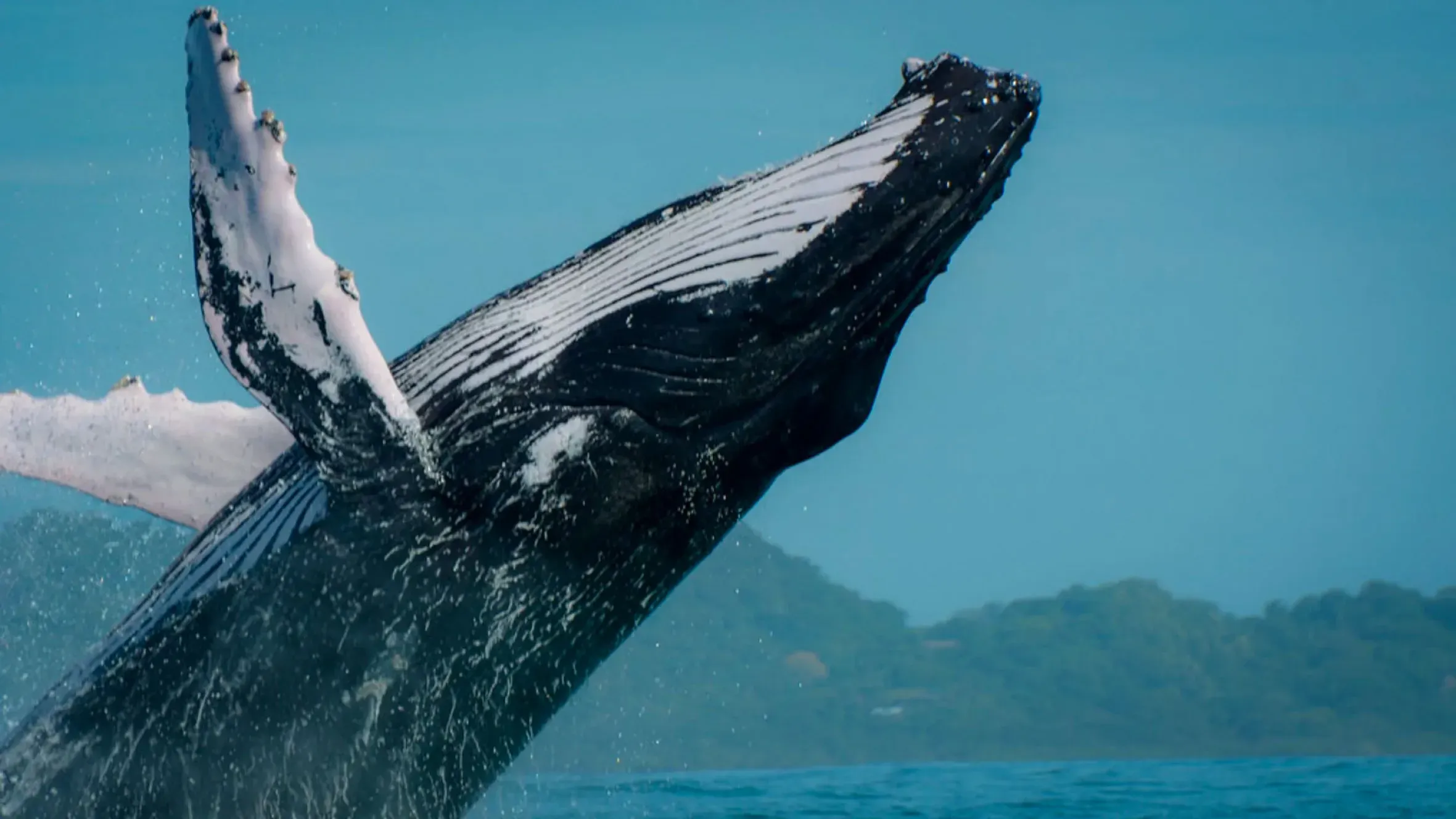
Each year, starting mid-July until the end of October, Costa Rica becomes a magnificent playground for the humpback whales, the largest animals to have ever lived. These gentle leviathans grace our warm tropical waters with their awe-inspiring presence, a spectacle that leaves all who witness it absolutely spellbound.

The Majestic Migration

Humpback whales, our star guests of the season, undertake one of the longest whale migrations of any mammal on Earth. These creatures travel an astounding 5,000 miles, journeying from both the Antarctic and the Arctic to rendezvous in the tranquil waters of Costa Rica.

As they break the surface of the water and launch their colossal bodies into the air in spectacular breaches, they remind us of their mysterious, underwater world. Their beautiful and intricate songs, which can be heard for miles underwater, are like nothing else in nature.

Best Places to Whale-Watch

Costa Rica’s Pacific Coast, with its abundant marine life, serves as the primary stage for these stunning displays. Marino Ballena National Park, renowned for its iconic “whale’s tail” sandbar, is undoubtedly one of the best spots to watch the Humpback whales in Costa Rica.

Guanacaste’s clear blue waters offer more opportunities for spotting whales, and Drake Bay in the Osa Peninsula provides not only whale-watching chances but also an experience steeped in biodiversity that few places on Earth can match.

Our Responsibility

While we revel in the beauty of these magnificent creatures, it is essential to remember our responsibility. As visitors in their world, we must prioritize their safety and comfort. All our tours adhere to responsible whale-watching guidelines, keeping a respectful distance, and ensuring we do not disrupt their natural behavior.

Whale-Watching Tours

At CRS Tours, we take pride in offering an unparalleled experience. Our carefully curated whale-watching tours in Costa Rica offer not just a glimpse, but an immersive encounter with these gentle marine giants. Our experienced guides, skilled at spotting tell-tale signs of whales, will ensure that you won’t miss a moment of this unforgettable spectacle.

Whether you’re an avid nature lover or looking for a unique family adventure, the upcoming whale season in Costa Rica promises an experience that will leave you with memories to last a lifetime. So, come join us in celebrating the majesty of the humpback whales as we watch them dance in the warm tropical waters of Costa Rica.

To book your Costa Rica whale-watching tour, click here or get in touch with our team who would be delighted to assist you in planning your adventure.

We hope to see you soon, sharing in the awe-inspiring experience that is the whale season in Costa Rica.

Stay tuned with us on FacebookInstagram, and Twitter for regular updates and stunning visuals.

Diving Costa Rica

Costa Rica is an equally rich country above the ground as it is below the water! The very name of our country suggests it, our coasts are rich and abundant places! With destinations, islands and coasts such as Isla del Coco, Isla del Caño and Las Catalinas, the diving experience in Costa Rica becomes unforgettable memories and experiences, with abundant fauna unique to our coasts. Throughout the year you will see different types of animals that are truly magnificent, such as whale sharks, blacktip sharks, whitetip sharks, Manta rays, dolphins, schools of hammerhead sharks, tuna, and hundreds more!

In the next blog, we will give you more detail about these destinations and why you should consider them in your diving experience.

Coco Island

The only way to see Cocos Island is on a dive boat that you can board from the port city of Puntarenas in Costa Rica, 1 hour from San Jose. These trips usually last at least 8 to 10 days and it takes up to 36 hours to get to Isla del Coco from Puntarenas. A trip more than worth it!

Due to its strong currents and swells, as well as for its wide variety of sea life, Isla del Coco is recommended only for advanced divers or high-intermediate level divers. The dive sites consist of rocks, pinnacles, and seamounts that rise from the depths. It is a unique diving landscape and marine life of world calibre.

Isla del Coco was not only qualifying in the ranking of one of the 7 wonders of the world, but its crystal clear waters offer world-class sightings of the famous hammerhead shark, which migrate in the hundreds during seasons to Isla del Coco. A sight to never forget. Similarly, depending on the season, you can see Humpback whales, dolphins, Mantas, Rays, turtles, black and white tip sharks, schools of tuna, Hammerhead sharks, and much more! It is an experience that will surprise even the most advanced of divers!

Isla del Caño

Caño Island, located in the Osa Peninsula, is a truly virgin biological reserve. You can see Humpback Whales, Dolphins, Sharks, Turtles, abundant Coral, hundreds of fish species among much more! This island is considered an important archaeological, historical, natural and maritime area. Being located on the Osa Peninsula and being a natural reserve of great importance, the amount of wildlife both on land and underwater is incredibly abundant and rich.

Diving on this Island is for divers of intermediate to advanced level, due to the currents and the underwater landscape.

Las Catalinas

These islands provide a wild and unique diving experience, offering up to 12 different diving spots and animal sightings depending on the seasons, all throughout the year. Between the months of August and September, the Humpback Whales enter the shallower water. Almost every day this season, the divers are accompanied by the singing of the whales under the water and frequent sightings from the boat.

Las Catalinas is also famous for its sighting of the Giant Mantas of the Pacific, from December to May.

Forests, beaches and volcanoes: All this can be enjoyed when visiting Costa Rica.

Forests, beaches and volcanoes: All this can be enjoyed when visiting Costa Rica

VISITING COSTA RICA IS AN EXPERIENCE FULL OF LIFE.

Costa Rica bears the title of “pura vida” country, not only because this is an everyday expression in the Tico jargon, but really when visiting Costa Rica you have the opportunity to enjoy many natural beauties: volcanoes, beaches, forests… and all this is possible in just one week!

From the moment you get off the plane at the Juan Santamaría International Airport, in the city of Alajuela, you sense a different experience, you will notice it in the warm weather and the beautiful landscapes that will accompany you on the way to your first hotel.

In Costa Rica you will start breathing again and to restart your body and mind.

LET’S START TALKING ABOUT THE FORESTS OF COSTA RICA.

If what you are looking for is to lose yourself in the natural exuberance of our country, at least 5% of the world’s biodiversity is found in Costa Rica, divided between its tropical humid forests, rain forests, cloud forests and national parks.

With regard to the rain forests, these are located in the southwest of the country, they are the most visited because they house most of the natural biodiversity of the territory and are a perfect setting to disconnect from everyday life, routine and the stress of daily hustle and bustle.

For their part, the cloud forests are an ideal destination for lovers of silence, drizzle and mist, here, the senses are sharpened, you will feel that you are walking on a soft carpet (it is actually moss, lichens and algae) and you will be able to appreciate a wide variety of plants such as orchids, bromeliads, ferns and other species.

And the humid forests, or jungles, are the most remote in the country, but they are still a key destination on the list when traveling to Costa Rica. 

In Costa Rica you will find two great tropical forests: the uninterrupted tropical forests of the Osa Peninsula and Corcovado National Park, in the South Pacific and the lowland tropical forests of Tortuguero National Park.

The latter is internationally recognized for protecting the most important green turtle nesting beach in the Western Hemisphere.

 LET’S TALK ABOUT THE BEACHES IN COSTA RICA.

LET’S TALK ABOUT THE BEACHES IN COSTA RICA.

Costa Rica is a country located in the middle of two coastlines, that is, you will have a beach in the Pacific and a beach in the Caribbean, with completely different climate and vegetation.

This is undoubtedly an experience that marks a before and after during your vacation in Costa Rica.

Pacific beaches.

The Pacific coast is truly popular and the most visited by our tourists. Here you will find many gifts for your eyes: colored sand, natural trails and exuberant fauna to admire.

If you are a surf lover, this is undoubtedly your destination: the waves on some beaches of this coast present ideal conditions for you to live your favorite sport to the fullest.

National Parks, hanging bridges in the rainforest, birds, whales and dolphins, as well as a unique and exquisite gastronomy is part of what you may discover on this coast when you visit our beaches in Costa Rica.

Caribbean beaches.

Traveling to the Costa Rican Caribbean is completely changing the chip: the weather, the sunlight, the air, the landscapes: everything changes.

Here you will find a nuance of colors, smells and flavors that are not compared to any other experience in Costa Rica, adding a lot of flavor  to your vacation when visiting Costa Rica.

This destination is full of adventure, nature and tranquility: it has nuances for all tastes.

If you are a lover of colorful landscapes, coral reefs, the jungle and culture, you have to make a stop at these beautiful Caribbean beaches.

AND DO NOT FORGET TO DISCOVER THE VOLCANOES OF COSTA RICA.

This is an important stop on your trip, which will not be complete until you visit one (or several) of our volcanoes.

Costa Rica has many volcanoes in its territory, most of them are inactive and very old, however there are 9 main volcanoes in Costa Rica: Orosí, Rincón de la Vieja, Miravalles, Tenorio, Arenal, Poás, Barva, Irazú and Turrialba.

These volcanoes are considered one of the biggest tourist attractions in the country, since they not only captivate the attention of tourists, but also scientists around the world.

The richness in minerals has given way to the development of great vegetation, birds and wildlife species and home to many exotic trees and plants that you can discover during your tour.

Hiking, rafting in crystal clear waters, sport fishing, surfing, rowing, swimming, kayaking, horseback riding, camping and mountain biking are some of the activities offered near these paradisiacal places.


beaches costa rica

WHAT IS THE BIGGEST ADVANTAGE OF VISITING COSTA RICA?

Getting so much variety and being able to see it all in just seven days! Being a small country, the distances between destinations are very short and the travel time between one place and another is usually no more than three to four hours. The scenarios you find in Costa Rica are always full of surprises, offering a unique and different experience in each place, you just have to file it in your travel memories!


ARENAL VOLCANO

WHAT SHOULD I KNOW ABOUT THE COVID MEASURES FOR ENTERING THE COUNTRY?

At CRS Tours we are constantly updated on regulations and provisions of the Ministry of Health, with the aim of making your trip safe and pleasant. Here is the updated information.

DO YOU HAVE DOUBTS ABOUT YOUR TRIP? YOU WANT TO LIVE A UNIQUE EXPERIENCE? LEAVE US YOUR INFORMATION AND WE WILL BE ABLE TO ADVISE YOU SHORTLY.

Pacific vs Caribbean What is the best beach in Costa Rica to visit according to the time of year?

Ready to find out which is the best beach in Costa Rica to visit in these months?

In Costa Rica, we have the opportunity to enjoy beautiful beaches, fantastic settings that seem to be taken from a dream story. There is something for all tastes and interests and as if that were not enough, we have two coasts: Pacific and Caribbean. The best beach in Costa Rica

Of course, both destinations are different and their location influences the climate, vegetation, waves, and even lifestyle: two totally different scenarios, but ones that you can enjoy during the same trip to Costa Rica.

However, as expected, and since this is a tropical country, the rains are a factor that you must take into account when planning your trip, so that you can fully enjoy these destinations in Costa Rica.

Rainy season in Costa Rica. How does it affect my trip to the beach?

Formally, the rainy season in Costa Rica begins in May and ends in November, with October being the month with the greatest intensity. However, it does not necessarily mean that we cannot enjoy the beaches.

It also is a time of the year when everything turns green, the vegetation comes back to life and that is why we also like to call it the green season.

An important fact is that the rain does not last all day, in general we have very sunny mornings and in the afternoon and evening it does rain: Imagine you arrive from a walk by the sea, or to have lunch in front of to the beach, you take a shower and you are ready to read a book on the terrace of your hotel room. At that moment it starts to rain. A show that will entertain you in the afternoon! Ever showered just using natural rain?

Pacific vs Caribbean How does rain affect both coasts?

Let’s talk about the Pacific first. Here we can include the beautiful beaches of Guanacaste, Playas del Coco, Tamarindo, Nosara, Playa Samara… And the magnificent beaches of Puntarenas, where we include one of the most famous beaches and National Parks in Costa Rica: Manuel Antonio.

The best months to enjoy the Pacific are from December to March. It is the dry season in Costa Rica and this increases the probability that it will not rain. In May, the transition from the dry to the rainy season begins, so there are still sunny days. Rainfall begins in June and is more abundant during this month untill November.

July and August are months known for presenting a cessation in the rains “El veranillo de San Juan” as we call it here, it is an impasse before the start of the season with the highest rainfall of the year, between September and October. An ideal time to plan a trip to the Pacific.

And what about the Caribbean?

The Caribbean is generally a warm and rainy coast throughout the year, which gives way to the development of wonderful ecosystems and a very pleasant climate.

The rainiest season in the Caribbean, are the months of July and August “Veranillo de San Juan” because this coast absorbs the rains these months of the year. So if you plan to come to Costa Rica in these months, you better go to the Pacific.

The best months to travel to the Caribbean are the months of September to November: when there is more precipitation in the Pacific. At this time there is a cessation of rains on this coast, so you can enjoy your day more on the beautiful beaches of Manzanillo, Cocles, Puerto Viejo, Cahuita, Punta Uva… Scenarios that are not insignificant and that you probably will not find anywhere. another place.

Although we have given you some recommendations, remember: Costa Rica is a tropical country.

This means that we cannot write in stone when it rains and when it does not, what we can recommend is that you take precautions and enjoy the country, with everything and the rain if you run into it on the trip: After all, you come to know and enjoy all the details. Enjoy the best beach in Costa Rica.

And if what you are looking for is to create a personalized trip, with a travel agency that takes you to the best places, you can contact our advisors, we create tailor-made trips according to your tastes and your budget.

Costa Rican Food Safari: Unleashing Your Inner Food Explorer

Introduction:

Prepare to embark on a mouthwatering gastronomic expedition that will take you on a culinary journey through the diverse and tantalizing flavors of Costa Rica. From the sun-kissed beaches of the Caribbean coast to the misty mountain peaks, and from the lush rainforests to the bustling city streets, this blog post invites you to savor the vibrant tapestry of Costa Rican cuisine. Get ready to awaken your taste buds and explore a world of gastronomic delights that will leave you craving for more.

Caribbean Coast: Where Spice Meets Soul

Unleash your senses along the enchanting Caribbean coast of Costa Rica. Experience the captivating fusion of African, Caribbean, and indigenous flavors that come alive in dishes like fiery jerk chicken, aromatic rice and beans, and tantalizing seafood infused with coconut and exotic spices. Don’t forget to dive into the vibrant street food scene, where plantain bites and mouthwatering empanadas await your adventurous palate.

Farm-to-Table: Harvesting Gastronomic Delights

Embark on a farm-to-table journey that showcases Costa Rica’s commitment to sustainability and local ingredients. Immerse yourself in the flavors of dishes crafted from farm-fresh produce, organic meats, and artisanal delights. Visit the farm markets, engage with local farmers, and savor the rich flavors that are a testament to Costa Rica’s dedication to preserving the land and supporting local communities.

Rainforest Rendezvous: Foraging Flavors in Nature’s Playground

Prepare to be amazed as you venture deep into the lush rainforests of Costa Rica. Explore the gastronomic treasures hidden amidst nature’s playground. Discover wild fruits bursting with sweetness, sample exotic herbs and spices, and learn about traditional cooking techniques passed down through generations. Let your taste buds dance to the rhythm of the rainforest as you indulge in dishes inspired by the untamed beauty of the jungle.

Coffee Chronicles: A Journey into Liquid Gold

Embark on a coffee adventure and dive into the captivating world of Costa Rican coffee culture. Delight in the aromas and flavors of freshly roasted beans as you sip on the velvety elixir that has made Costa Rica renowned in the coffee world. Learn about the coffee-growing process, visit coffee plantations, and engage with passionate coffee artisans who will guide you through the art of brewing the perfect cup of liquid gold.

Costa Rica is a gastronomic wonderland that offers a thrilling array of flavors and culinary experiences. From the soulful dishes of the Caribbean coast to the farm-fresh delights and rainforest discoveries, each bite tells a story and takes you on a journey through Costa Rica’s rich cultural heritage and natural abundance. So, get ready to unleash your inner food explorer, dive into the vibrant culinary scene, and savor the unique and unforgettable flavors that await you in this food lover’s paradise. Let the flavors of Costa Rica ignite your senses and leave you with a craving for more extraordinary culinary adventures!


Trusted Expertise and Strong Partnerships – CRS Tours, Your Reliable Travel Companion
Save Travels CRS Tours
Instituto Costarricense de Turismo
Certificación de sostenibilidad turística
Corcovado foundation
Tripadvisor CRS Tours
Code of conduct CRS Tours
essential costa rica
Global ethics
Pack for a purpose
Hours

Monday to Saturday: 8:00am – 5:00pm

Costa Rica Time = GMT-6
(Central Standard Time, no daylight saving)

Contact Info

Email: 
contact@crstours.com

Toll-Free number from the US:
+1 (800) 431-0137

Phone Costa Rica: 
+506 4001-7794

WhatsApp: 
+506 6108-3327

© 2025 CRS Tours S.A., Costa Rica. All Rights Reserved.
Website developed by César Otárola - OtarolaPhoto.com

Request a call back