


Green Season in Costa Rica
Costa Rica’s green season runs roughly from May to November. It is not a washout — it is warm, lush and considerably quieter, with a rain pattern that is far more predictable than most travellers expect.
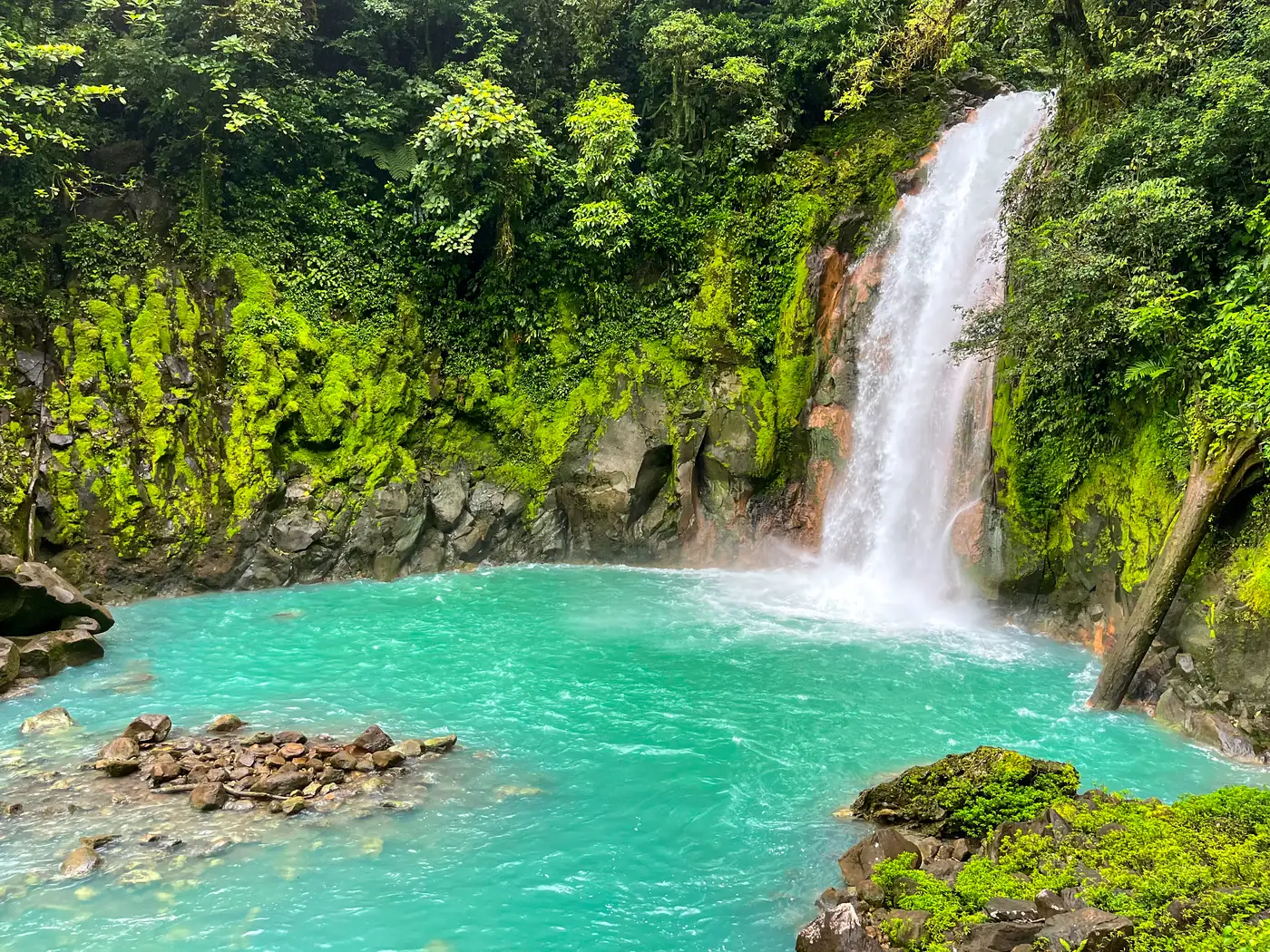
Green season means rivers and waterfalls running at their fullest.
What “Green Season” Actually Means
Most days follow the same rhythm: sunny or partly cloudy mornings, then a build-up of cloud through the afternoon that breaks into rain — often for an hour or two, sometimes longer. Many travellers are out on a hike, a boat tour or a beach morning before the rain even starts, and back at the hotel or moving on to the next activity by the time it does. It is called green season for a reason: this is when the forests, waterfalls and rivers are at their most vivid.
Predictable pattern
Rain is usually an afternoon event, not an all-day one. Plan active mornings and build in flexibility for later.
Fewer crowds
Parks, trails and viewpoints are noticeably quieter than in the December–April high season.
Lower prices
Hotels and some tours cost less. See our Green Season Specials for current discounted itineraries.
Where It Works Best
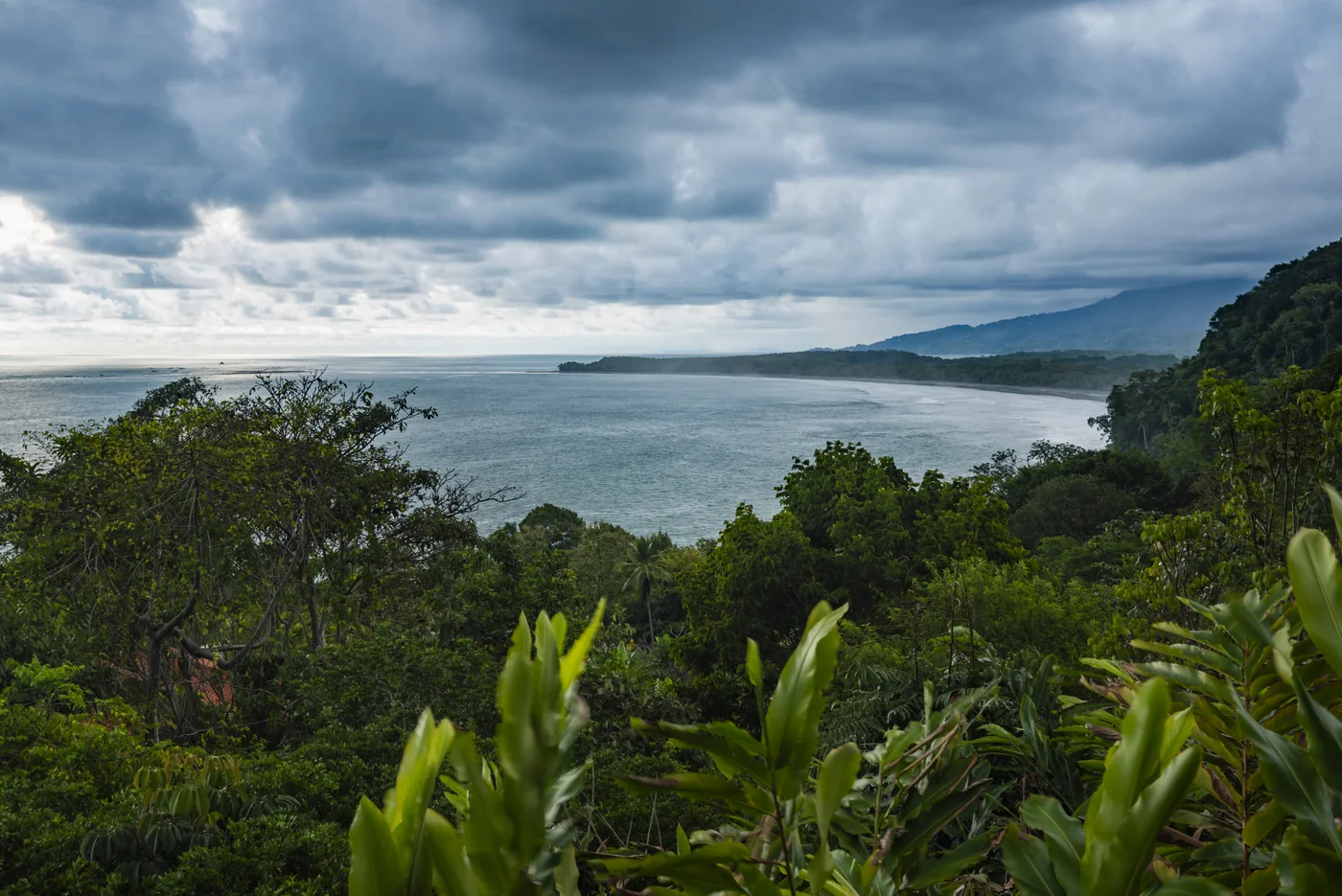
Rainfall is not the same everywhere. The Pacific and Central Valley follow the classic afternoon-rain pattern described above, and are the most reliable green season destinations. The Caribbean coast runs on its own schedule, with rain spread more evenly through the year and a different, often quieter, dry stretch around September–October. Some remote routes — parts of the Osa Peninsula, for instance — can see rougher road conditions in the wettest months of September and October, which is exactly where a private transfer or a short domestic flight earns its keep instead of a rental car.
Why Many Travellers Prefer It
Wildlife is active
Rain brings the rainforest to life — rivers run fuller, waterfalls are at their most dramatic, and many birds and amphibians are more active than in the dry months.
A more relaxed pace
Without the December–April crowds, popular spots like Manuel Antonio and Monteverde feel noticeably calmer, and last-minute changes to your itinerary are easier to accommodate.
Green Season Month by Month
For a fuller month-by-month breakdown across both seasons, see our Best Time to Visit Costa Rica guide.
- Costa Rica specialists since 1998
- Local team based in Costa Rica
- Itineraries built around the weather, not against it
- Honest advice, region by region
Packing for Green Season
Bring
A light rain jacket, quick-dry clothing, a dry bag for electronics, and comfortable shoes that can handle mud on forest trails.
Don’t worry about
Packing for a washout. Most days still have several hours of good weather — layering for sun and a short afternoon shower works better than heavy wet-weather gear.
Green Season — Frequently Asked Questions
Will it rain every day?
Most days, yes, for part of the day — but it is rarely the whole day. Mornings are usually the most reliable window for outdoor activities.
Is green season a bad time to visit Costa Rica?
No — it suits travellers who want lower prices, fewer crowds and lush scenery, and who can build some flexibility into an afternoon plan. If you need guaranteed sun every day, the December–April dry season is a safer bet.
Are all tours and activities still available?
Most are. A small number of activities that depend on very specific conditions (some river routes, certain hiking trails after heavy rain) can be affected, and we will tell you honestly if that applies to your itinerary.
Which green season months have the best weather?
July and August often bring a short, drier spell on the Pacific side. September and October are the wettest inland and on the Pacific, but frequently the Caribbean’s best months.
Are green season prices actually lower?
Yes, on hotels especially. See our current Green Season Specials for discounted itineraries, or tell us your dates and we will quote your own tailor-made trip.
Do I need a 4×4 rental car in green season?
On some rural and coastal roads, yes, conditions get rougher. Many of our guests use a private transfer instead, so road conditions become our problem, not yours.