

The Southern Pacific & Osa Peninsula, Costa Rica
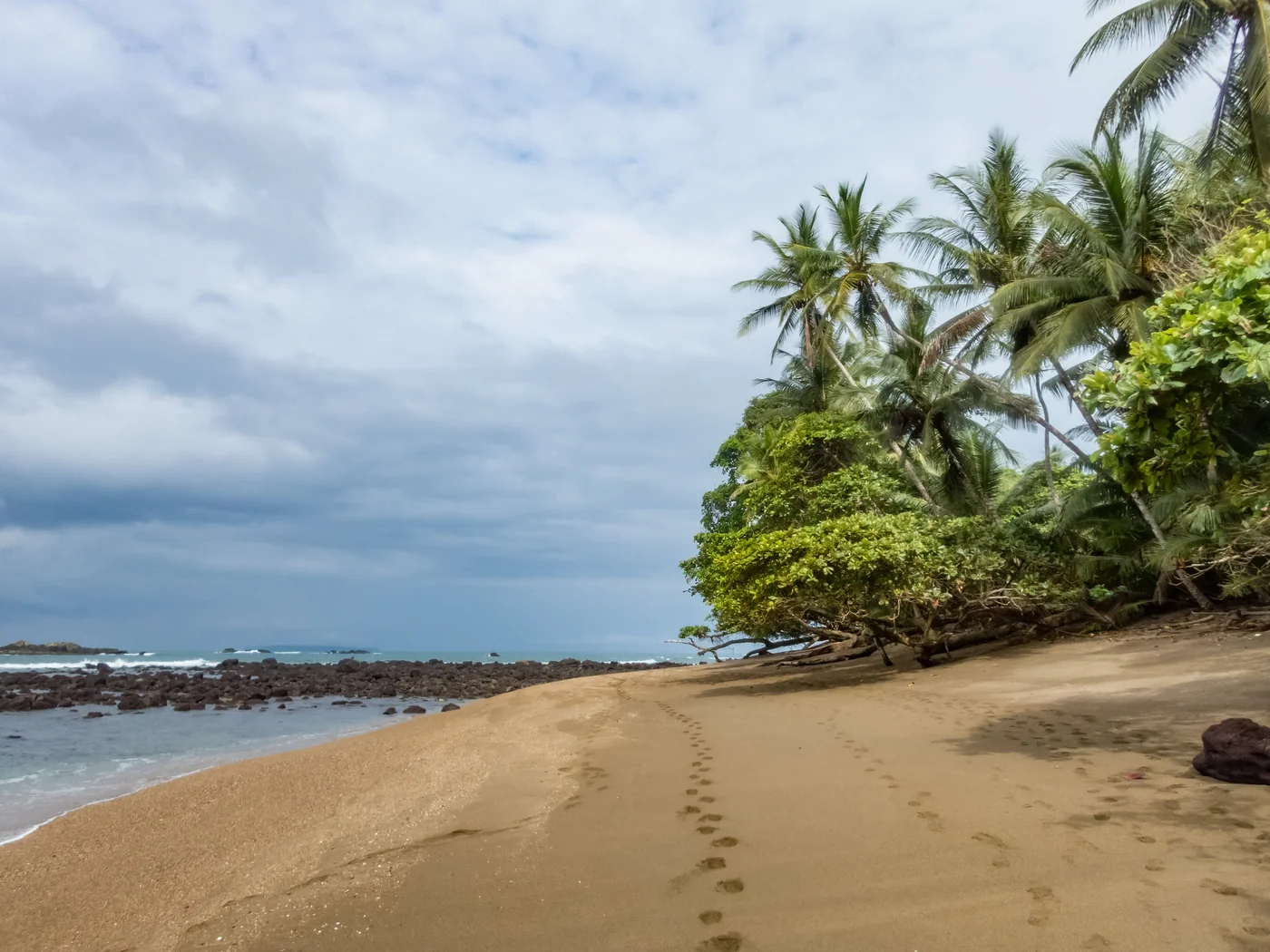
The Osa Peninsula: the wildest place we send anyone, and the one people talk about afterwards.
The southern Pacific is the part of Costa Rica that still feels remote. It takes longer to reach than anywhere else, the lodges are simpler by design, and the wildlife is on a different scale. National Geographic once called Corcovado the most biologically intense place on earth, and standing in it, that does not feel like a slogan.
Two things make it worth the journey. The first is Corcovado itself: tapirs, all four Costa Rican monkey species, scarlet macaws in numbers, and the country’s best chance – still slim – of seeing a wild cat. The second is the coast around Uvita and Drake Bay, where humpback whales come to calve for more months of the year than almost anywhere else on the planet.
Be clear-eyed about what it is not. This is not a spa holiday. Several of the best lodges run on solar power, have no air conditioning and no road to the door. Guests who choose it knowing that come back delighted; guests who expected a resort do not.
The places
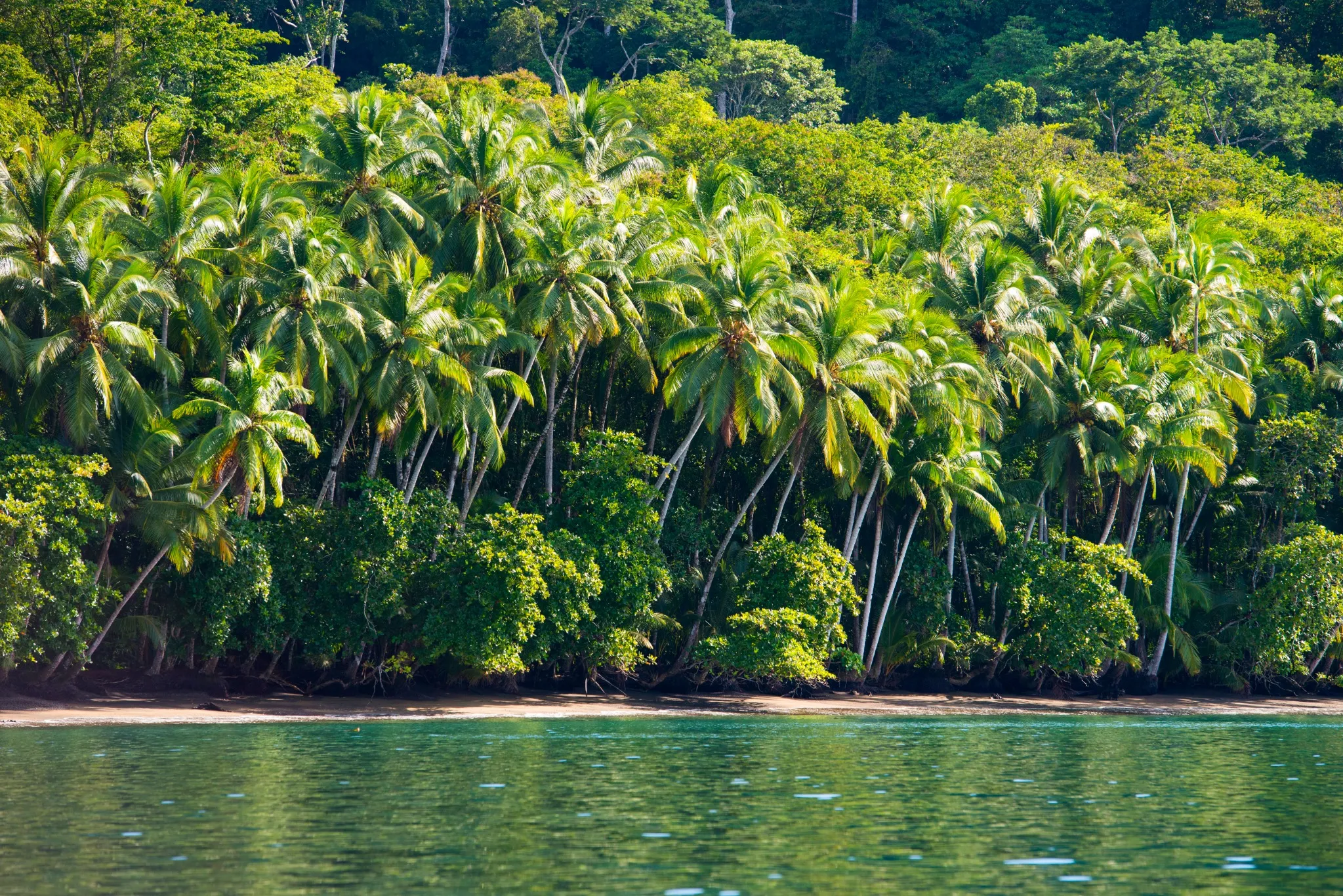
Corcovado and the Osa
The peninsula is mostly national park. Entry is by permit with a licensed guide, on foot or by boat from Drake Bay or Puerto Jiménez. A day trip is possible; two nights inside is better.
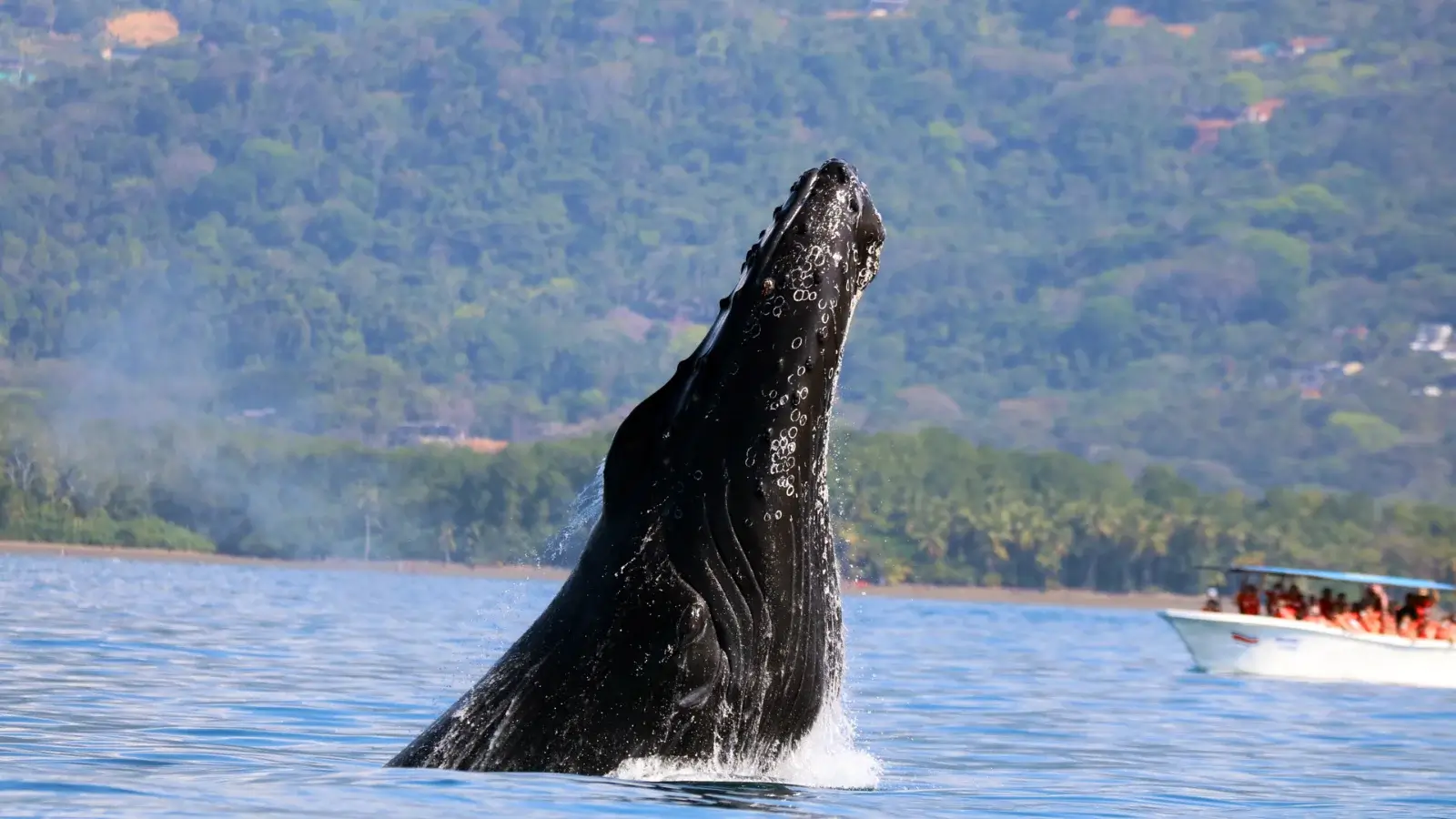
Uvita and Marino Ballena
The sandbar here forms the shape of a whale’s tail at low tide, which is a coincidence nobody quite believes until they see it. Humpbacks are offshore from July to October and again from December to March.
Golfo Dulce and Drake Bay
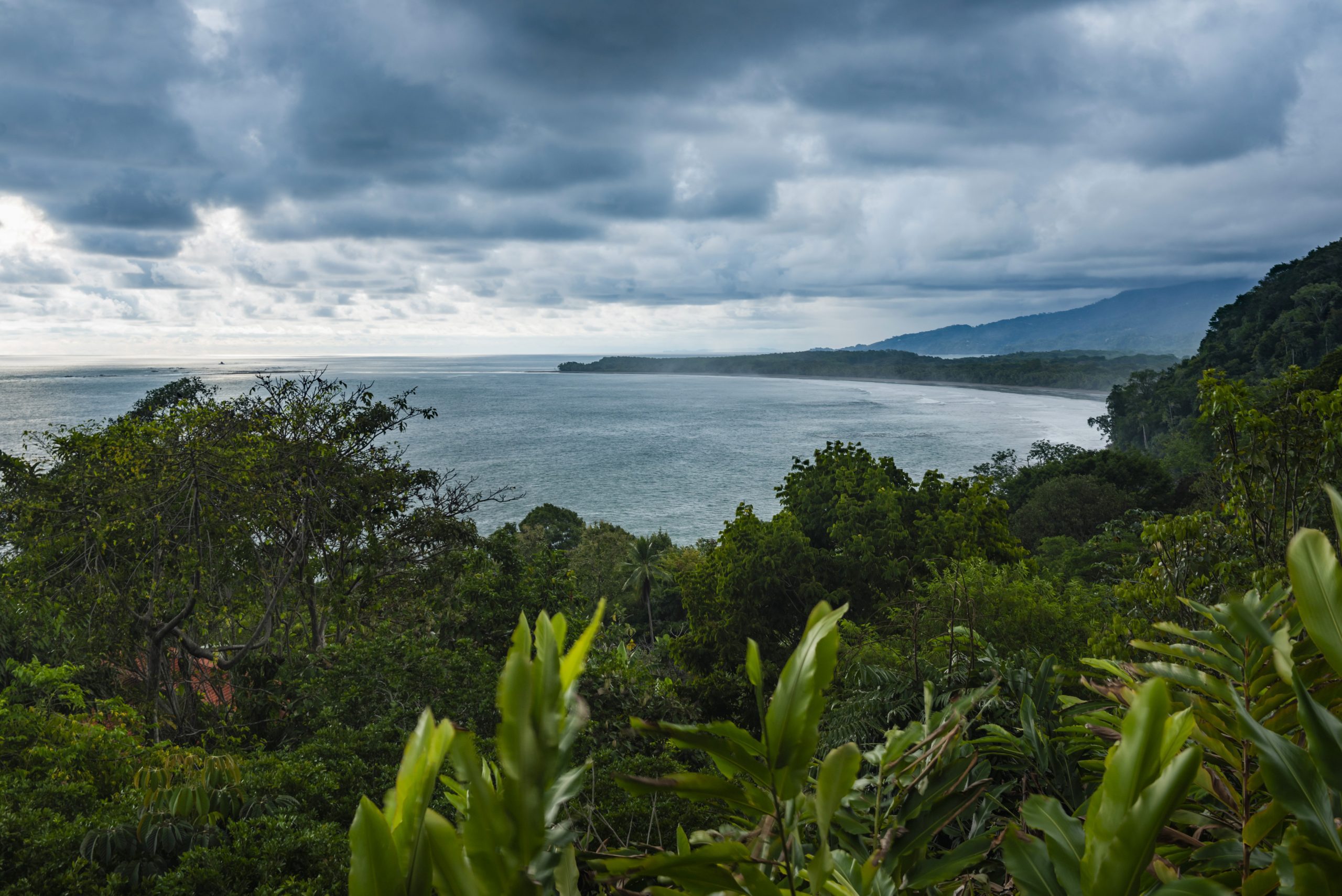
One of only a handful of tropical fjords in the world, calm and deep, with dolphins in it most days. Drake Bay, on the outer coast, is reached by boat and is the classic base for Corcovado.

The wildlife
Corcovado holds around half of all the species found in Costa Rica in about three per cent of its land. Baird’s tapir is genuinely common here and almost impossible to see anywhere else in the country. Squirrel monkeys, spider monkeys, howlers and capuchins all live in the same forest – the only place where you can reasonably hope for all four in a day.
Scarlet macaws are everywhere on the peninsula, feeding on beach almond along the shore. Pumas and jaguars are present; sightings are rare and nobody honest will promise you one.
Offshore, Caño Island has the clearest water on this coast and is the best snorkelling and diving in mainland Costa Rica.
Where we put people
- Lapa Rios Lodge – sixteen bungalows on a ridge above the Golfo Dulce, inside its own private reserve. The best known lodge on the peninsula and, for most people, worth what it costs.
- El Remanso Lodge – smaller and quieter, same stretch of coast, run by people who clearly enjoy it.
- Playa Nicuesa Rainforest Lodge – reached only by boat across the gulf, which is half the appeal.
- Cativo Lodge – also boat access, on the Golfo Dulce, good for snorkelling and kayaking from the door.
- Uvita and Ojochal – if you want the whales and the coast without the full Osa commitment, this is the practical compromise. Road access, a good choice of small hotels, and Corcovado still reachable as a long day trip.

Honestly, when to come
December to April is the dry season and the easiest time to walk in Corcovado. Whales are offshore from December to March.
July to October is the wettest part of the country and the trails get properly muddy – but it is also the main humpback season, the forest is at its most alive, and there is almost nobody there.
Whatever the month, this is the rainiest corner of Costa Rica. Some lodges close in September and October. We will tell you which before you book, not after.
Practical notes
Getting there. Six to seven hours by road from San José to Puerto Jiménez, or a one-hour domestic flight. For the Osa we almost always fly – the road eats a day at each end. Uvita is about four hours by road and does not need a flight.
How many nights. Three minimum on the Osa, and four is better. Anything less and the travelling outweighs the being there.
Luggage. Domestic flights have a strict weight limit, usually around fourteen kilos per person including hand luggage. We arrange storage for the rest of your bags in San José.
What it is like. Expect no air conditioning, intermittent wi-fi, torchlit paths and early nights. Also expect to wake up to macaws. Most people find that a fair trade.
Trips that include the Southern Pacific and Osa
This region takes time to reach, so it works best inside a longer route. These four all give it more than a token night.
- Natural Treasures of Costa Rica — sixteen days with three nights on the Osa Peninsula and two more at Uvita, after Turrialba and San Gerardo de Dota.
- 11-Day Costa Rica Adventure: Sarapiquí, Arenal & Corcovado — finishes at La Leona on foot, which is the proper way into Corcovado if you are fit enough for it.
- Costa Rica Diving & Rainforest: Drake Bay & Manuel Antonio — nine days built around Caño Island and the Sirena station at Corcovado.
- Costa Rica Birdwatching: A Tailor-Made Birding Tour — includes two nights at Piedras Blancas near Golfito, for the southern lowland species.
Talk to someone who lives here
Tell us roughly when you want to travel and what the rest of your trip looks like, and we will tell you honestly how many nights the south is worth for you – and whether it belongs at the start or the end. There is no charge for a proposal.
Trips built around a theme: honeymoons · birdwatching · diving · tailor-made trips