

Built Around the Wildlife You Want to See
What Wildlife Do You Hope to See?
Some travellers want a broad wildlife trip with a bit of everything. Others have two or three species at the top of their list and want the itinerary built around them. Both work — but they lead to different routes. Here is a starting point on what to look for and where.
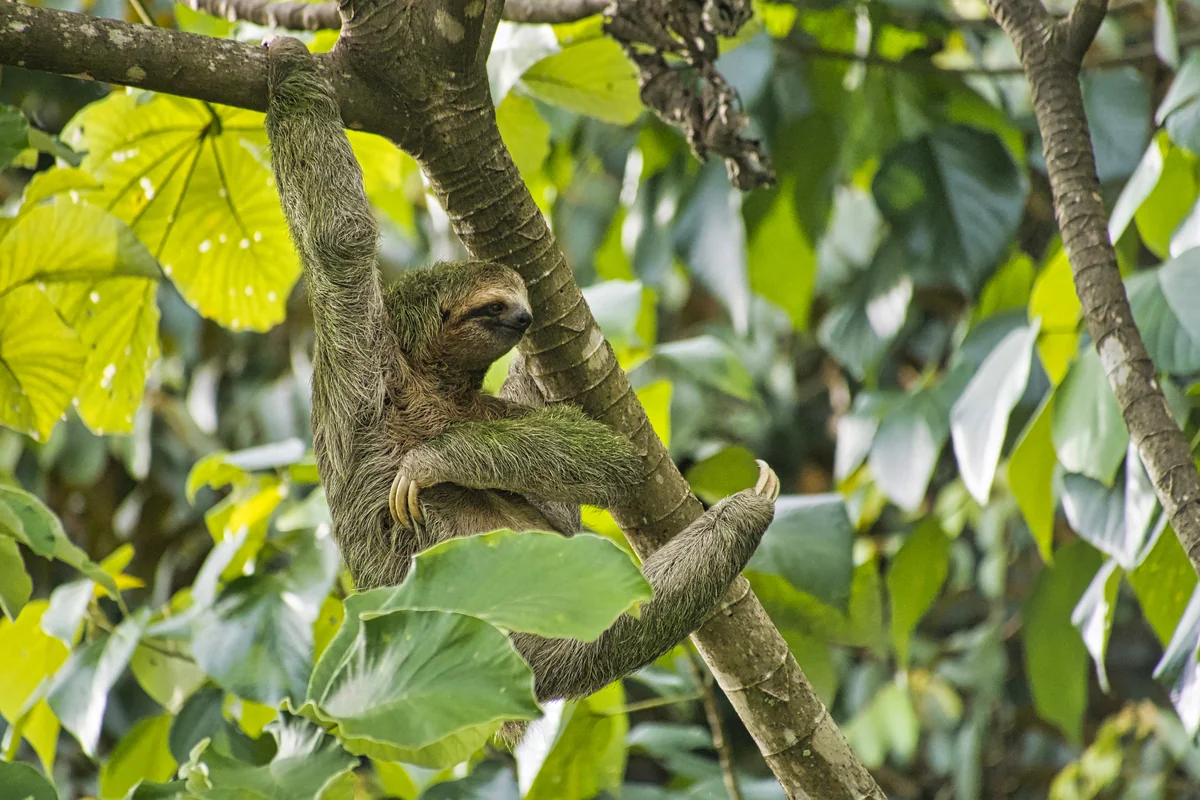
Sloths
Sloths turn up in several parts of the country, but the experience depends heavily on habitat and guide quality. Caribbean lowlands, Arenal-area forests and parts of the Central and South Pacific are all good habitat.
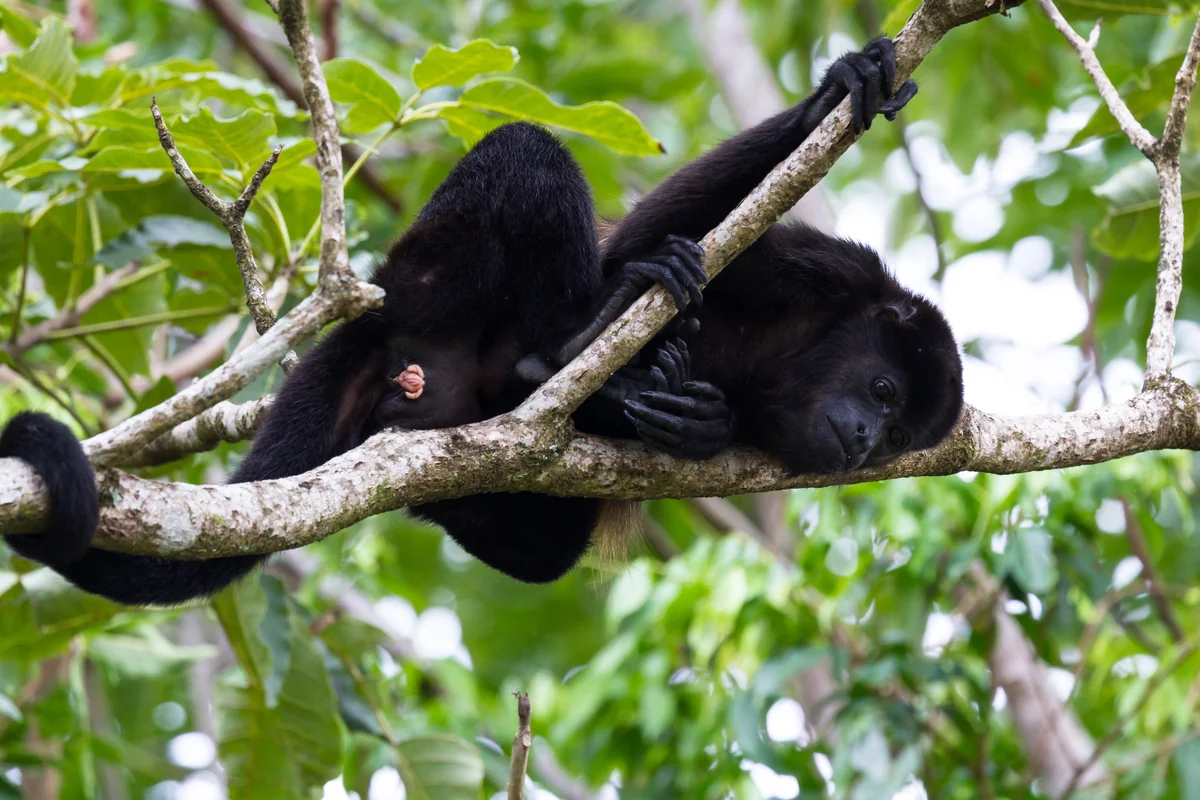
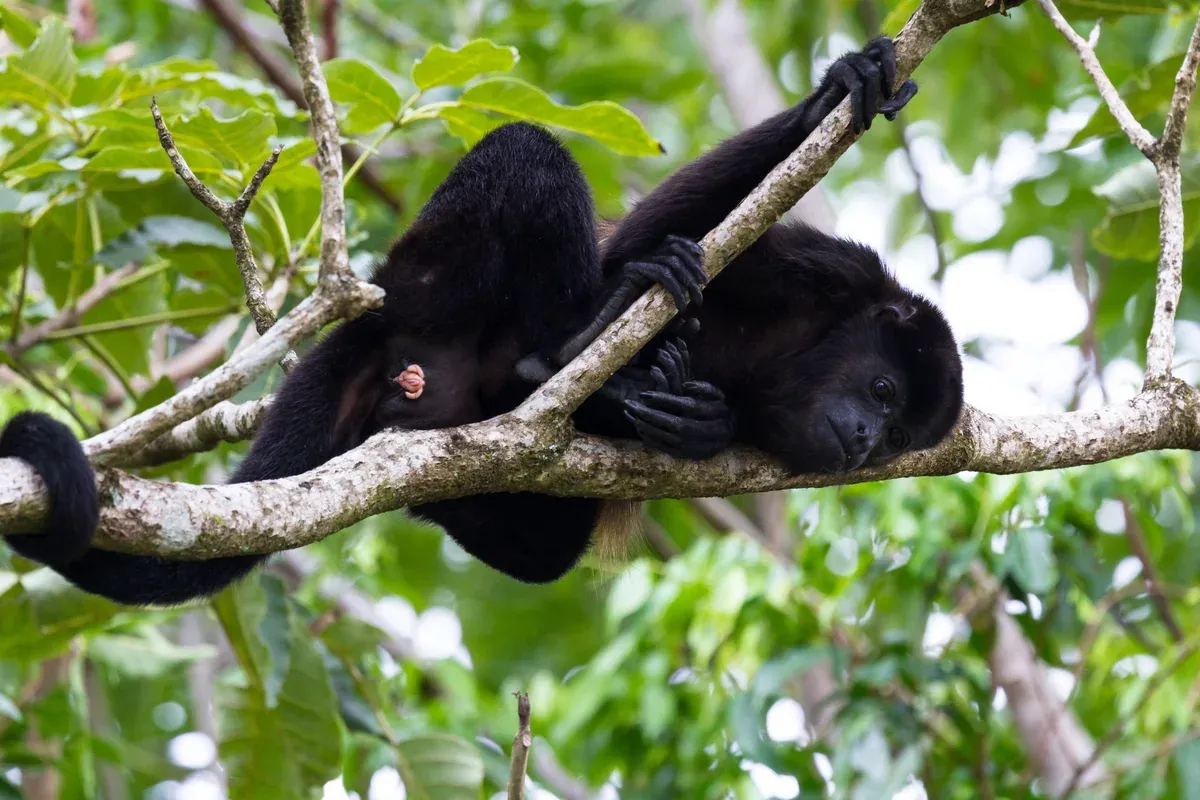
Howler Monkeys
Widespread and often heard before they are seen — the call carries a long way. Good habitat in Tortuguero, Manuel Antonio, Arenal and most lowland forest.
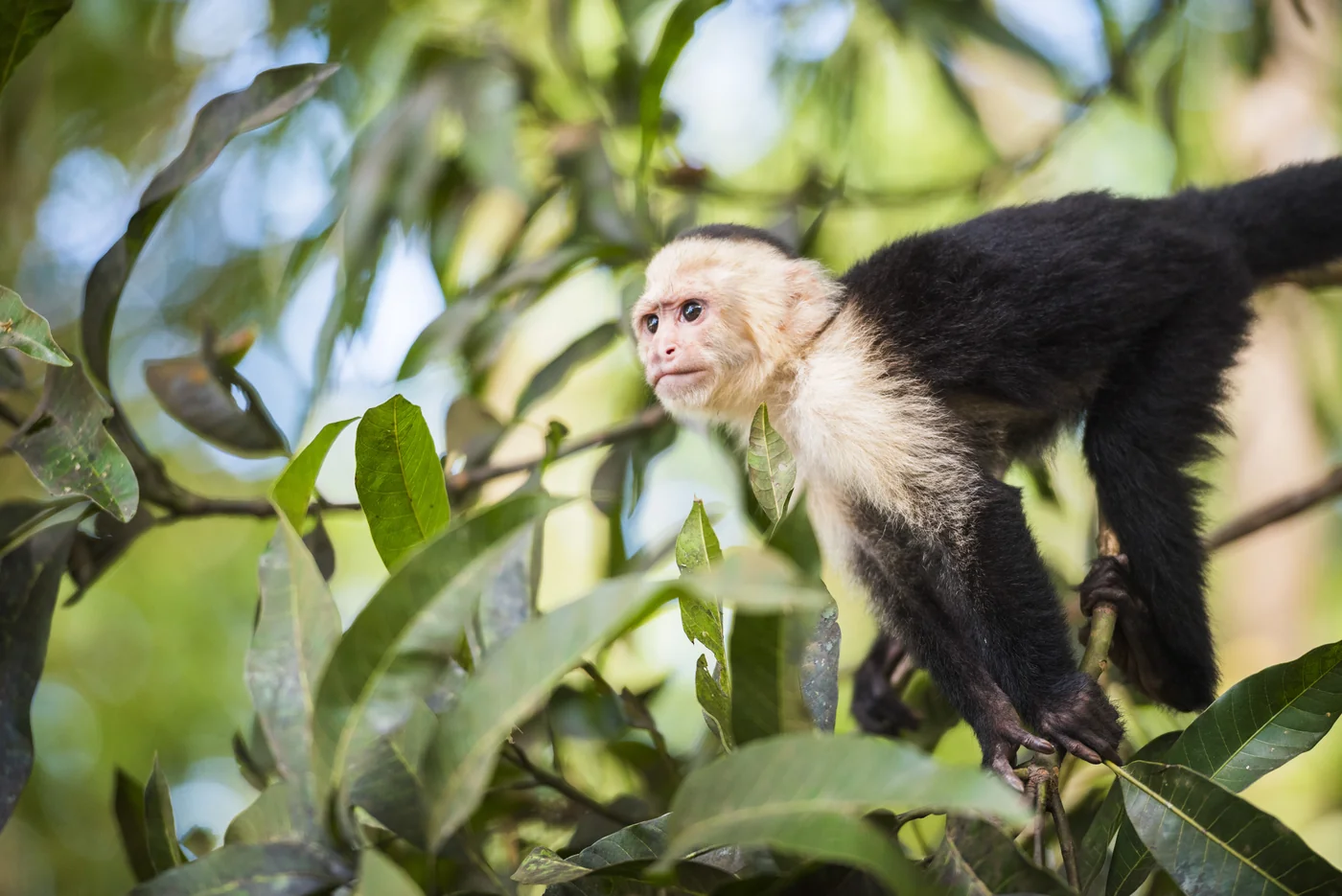
White-Faced Capuchins
Active, curious and easy to spot in places like Manuel Antonio, where troops move close to the trails. Also found through much of the Pacific and Caribbean lowlands.
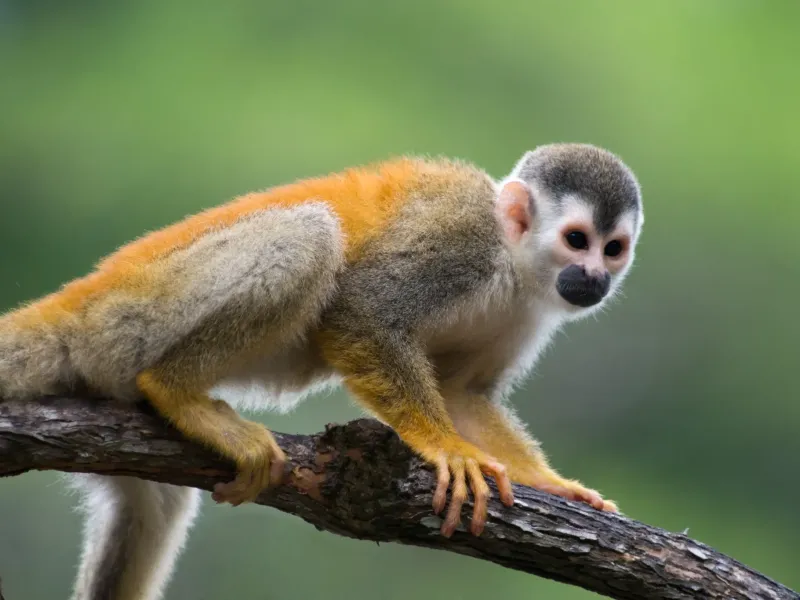
Spider & Squirrel Monkeys
Less commonly seen than howlers or capuchins. Spider monkeys favour undisturbed rainforest such as the Osa Peninsula; squirrel monkeys are more localised, with the Central and South Pacific among the better areas.
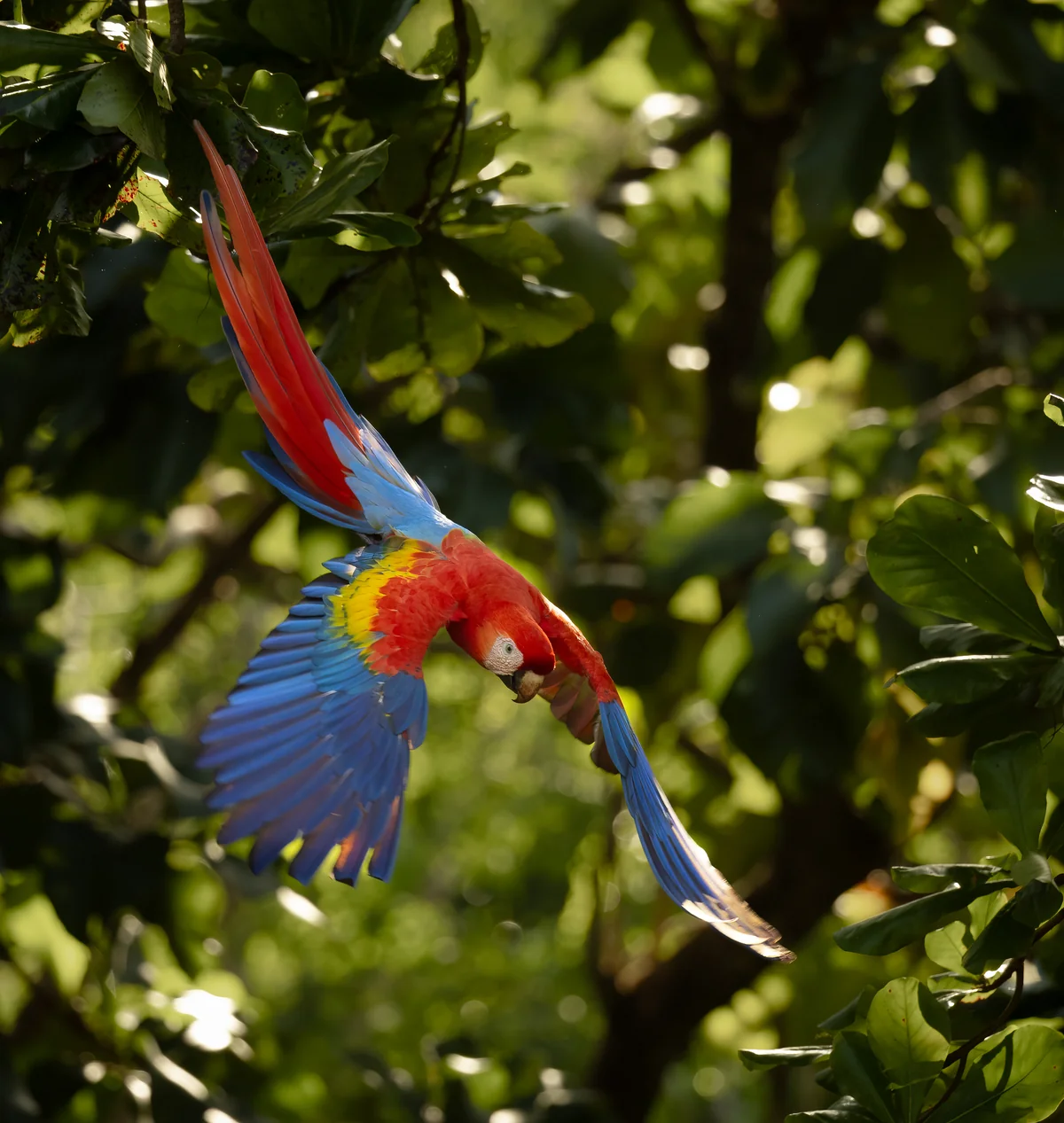
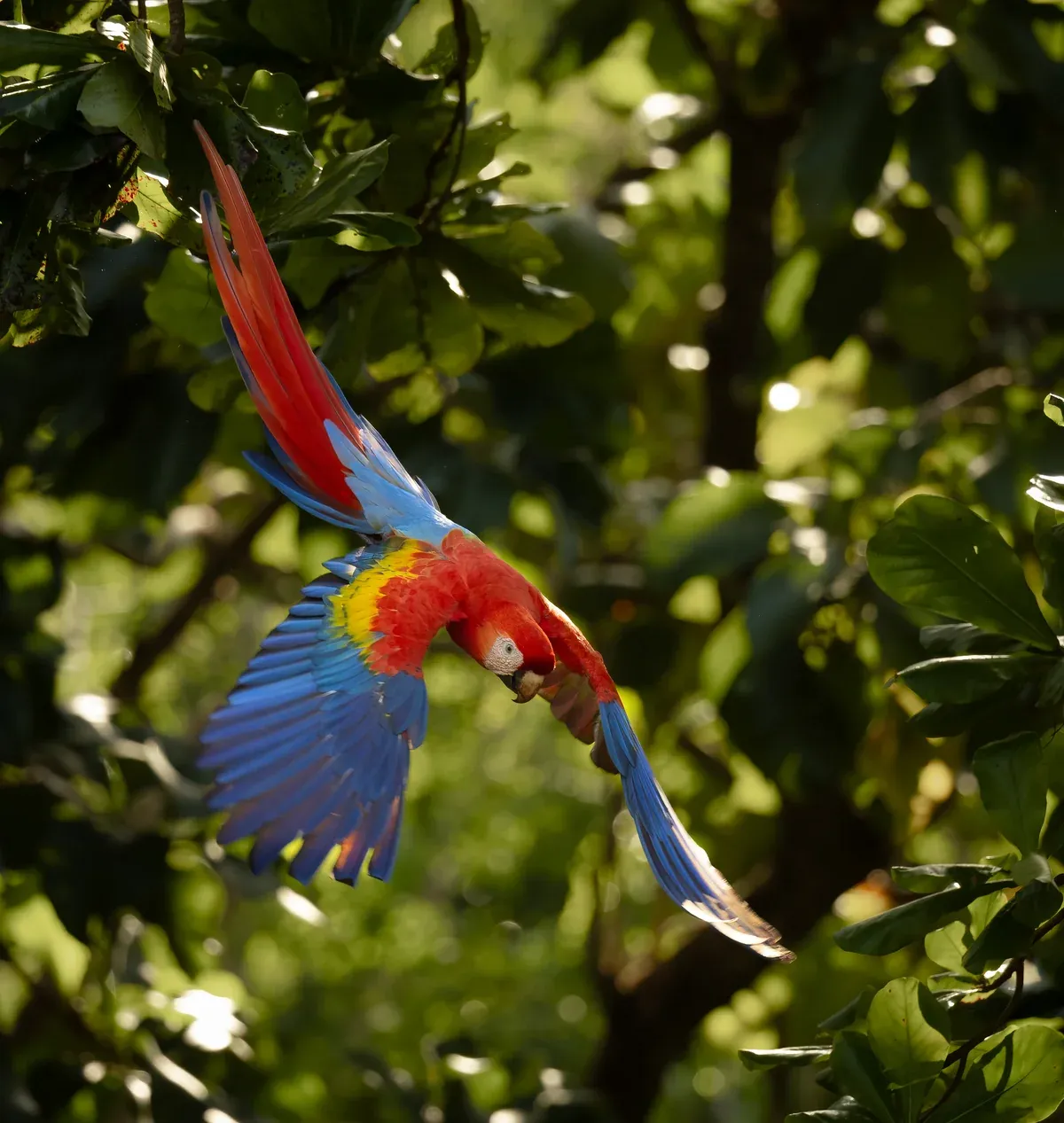
Scarlet Macaws
Hard to miss where they occur — loud, large and unmistakably red, blue and yellow. The Central and South Pacific, including the Osa Peninsula and the Tarcoles area, are well known for them.
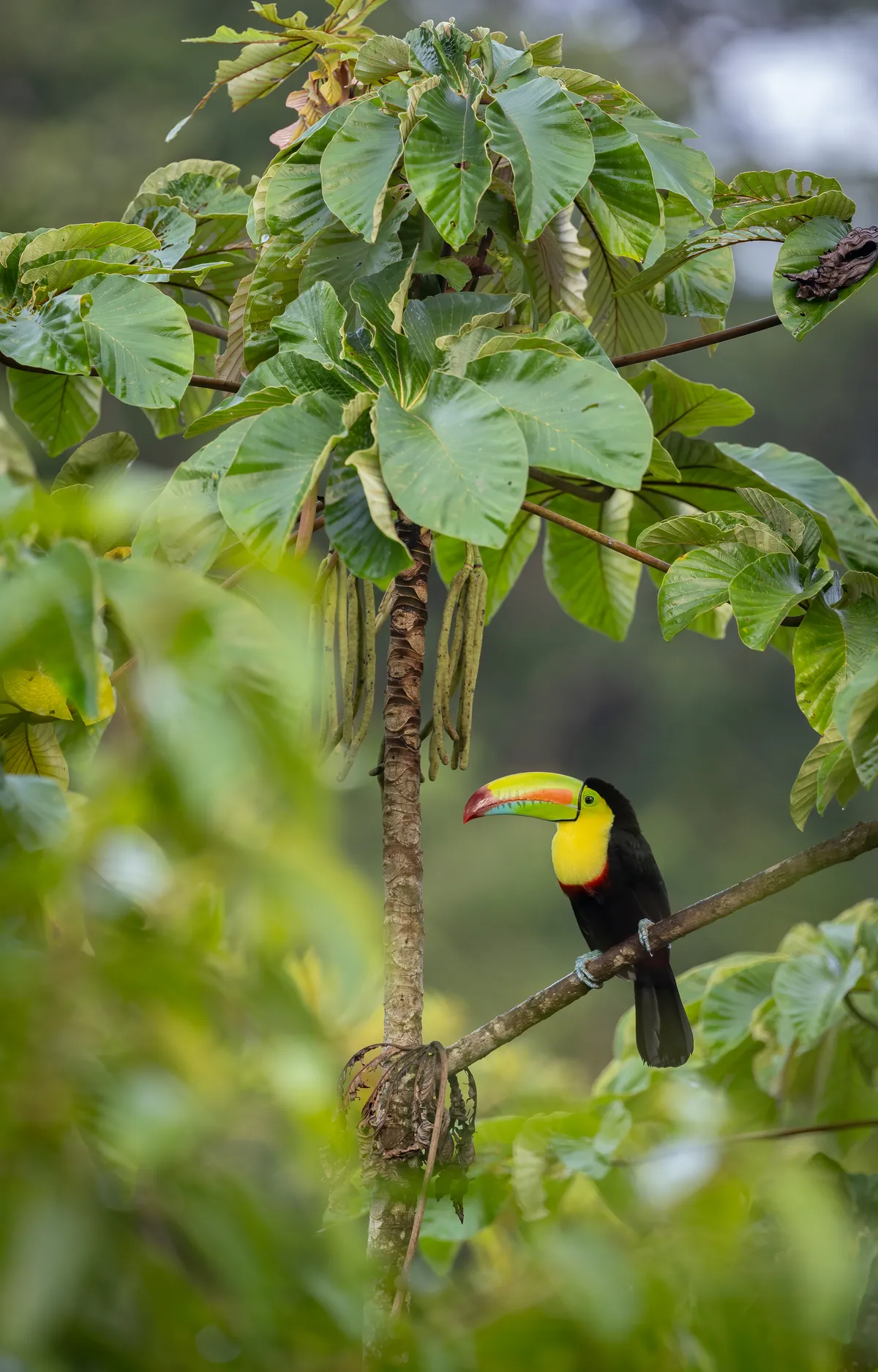
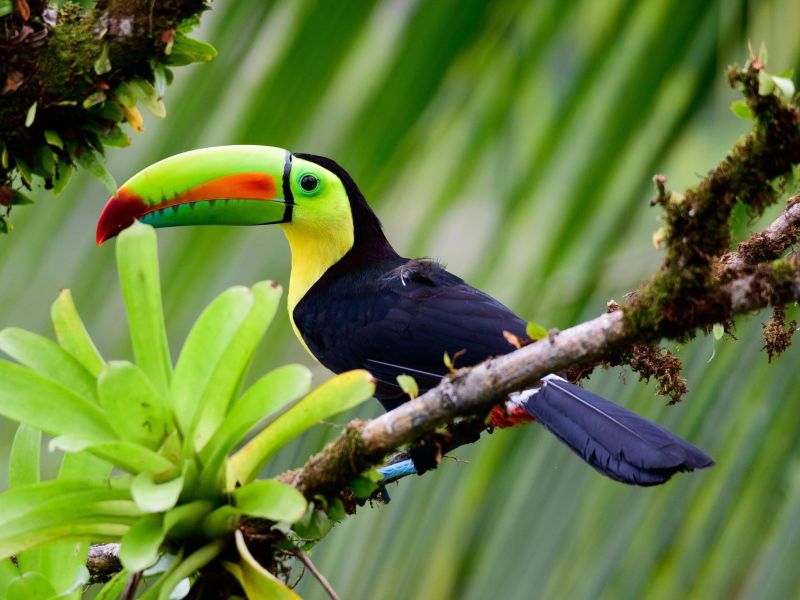
Toucans
Several species occur across the lowlands and mid-elevation forest, keel-billed toucans among the most recognisable. Good chances in Arenal, Boca Tapada, the Caribbean lowlands and parts of the Pacific.
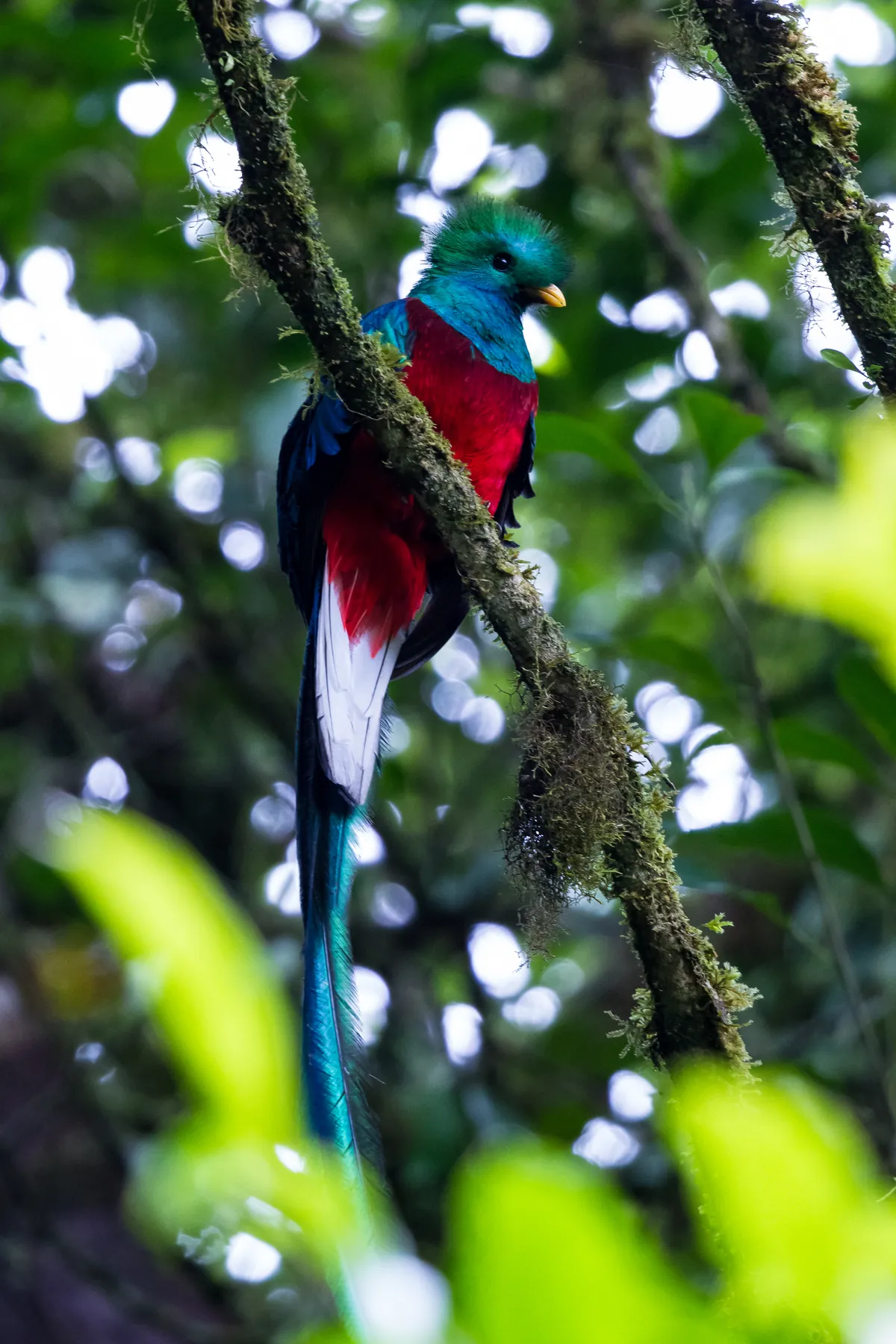
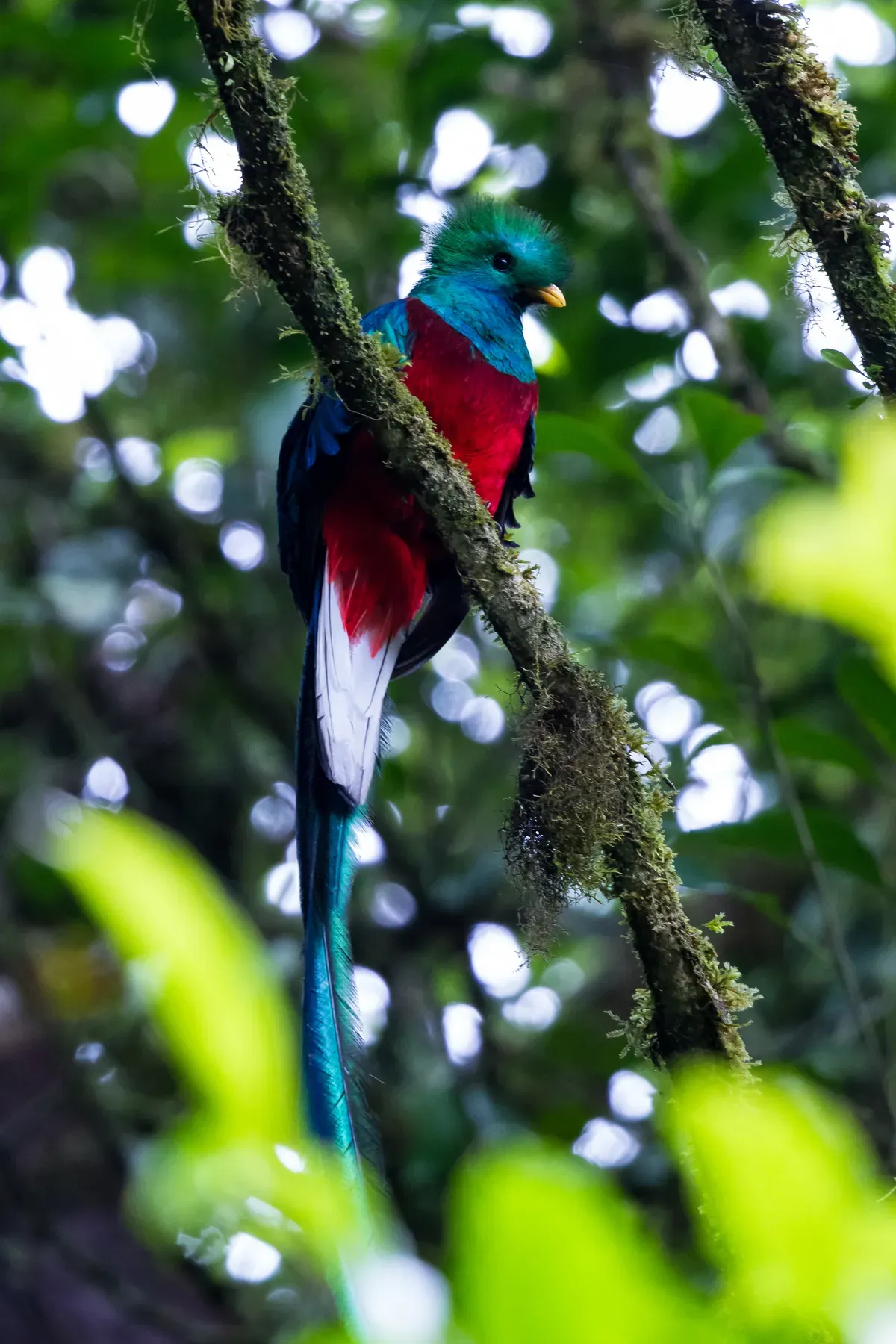
Resplendent Quetzal
A cloud forest specialist and one of the main reasons travellers add Monteverde or San Gerardo de Dota to an itinerary. Best chances are early morning with a local guide who knows current fruiting trees.
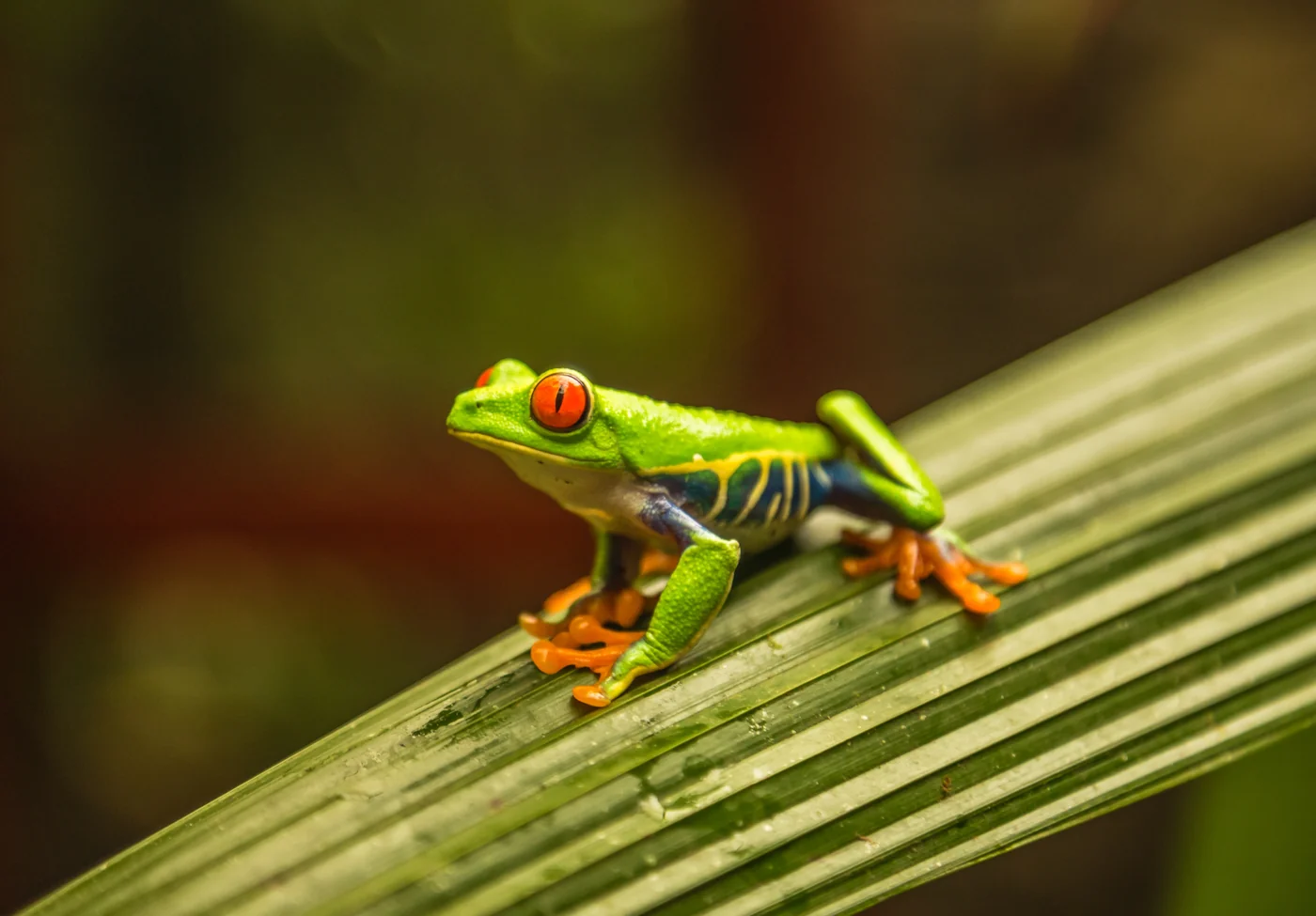
Frogs
Red-eyed tree frogs and poison dart frogs are the ones most travellers hope for. Night walks in warm, humid lowland forest — Caribbean side or South Pacific — usually give the best odds.
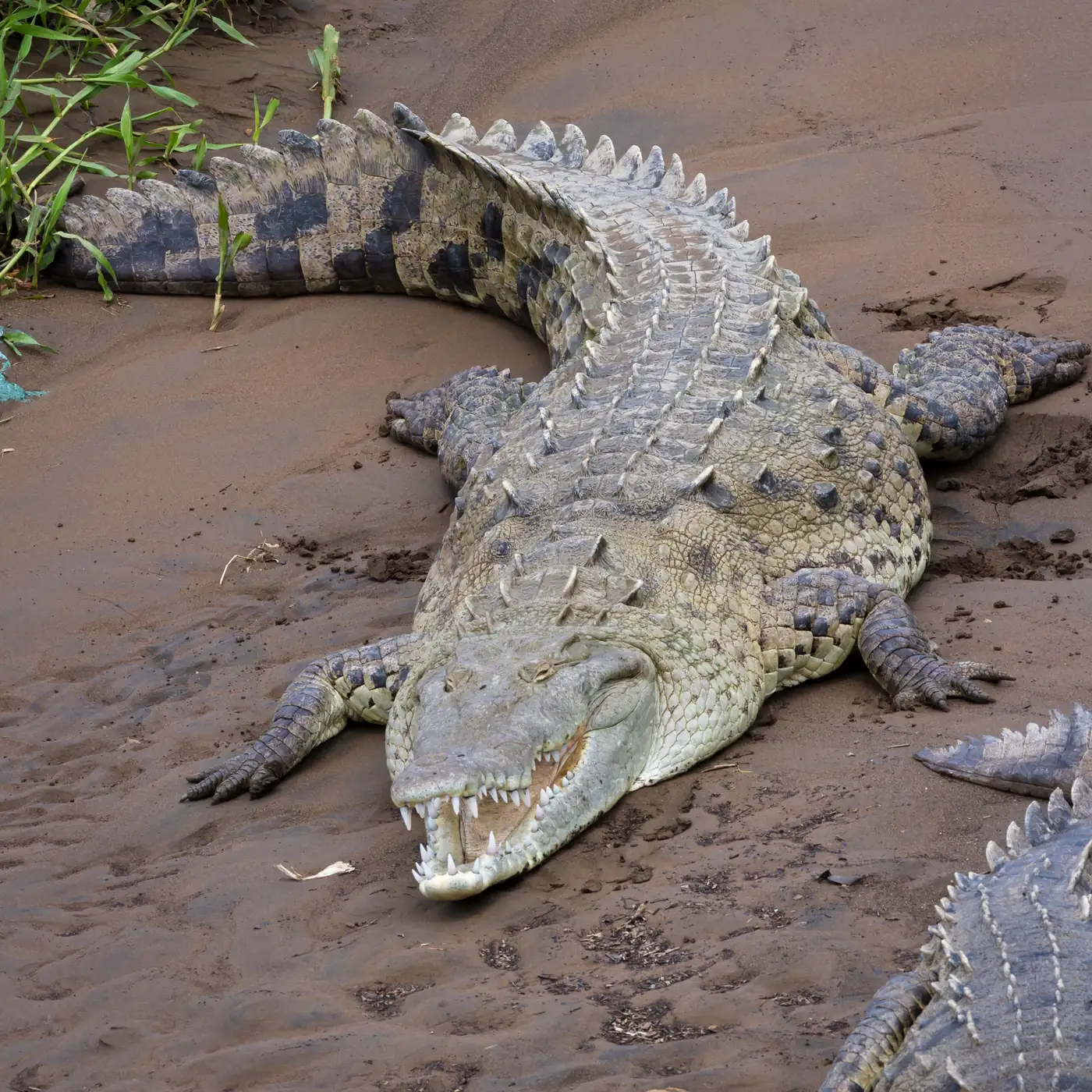
Crocodiles & Caimans
The Tarcoles River is the best-known spot for American crocodiles, some of them large. Caimans are more associated with wetland areas such as Caño Negro.
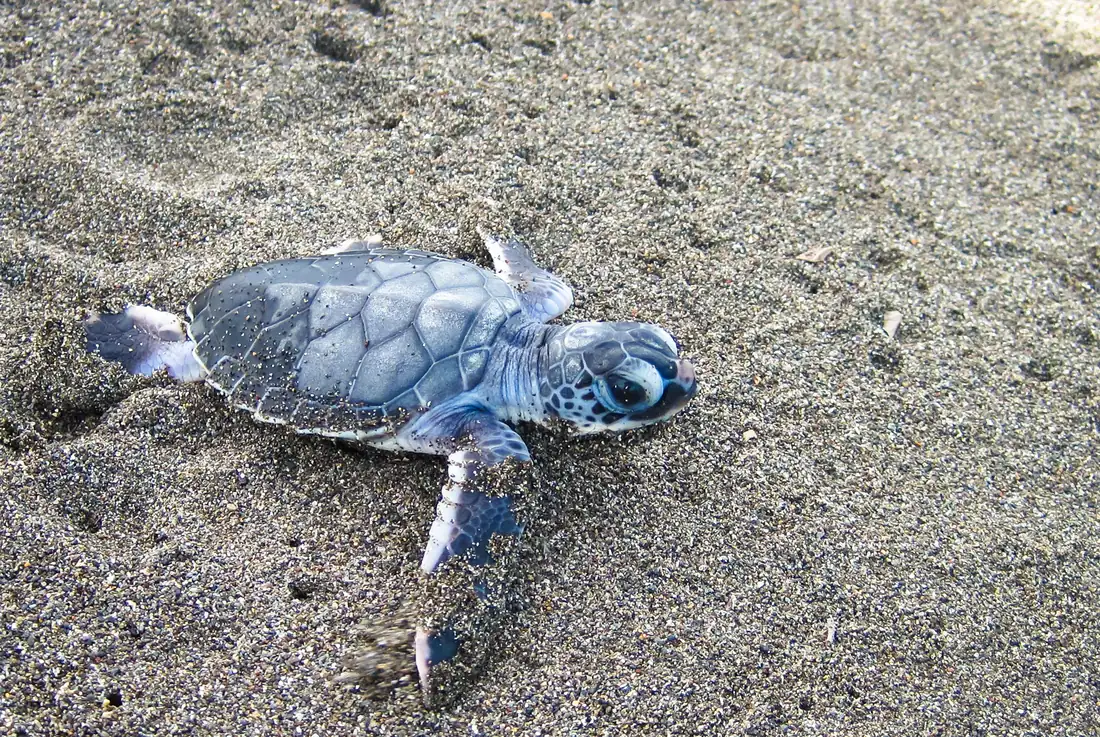
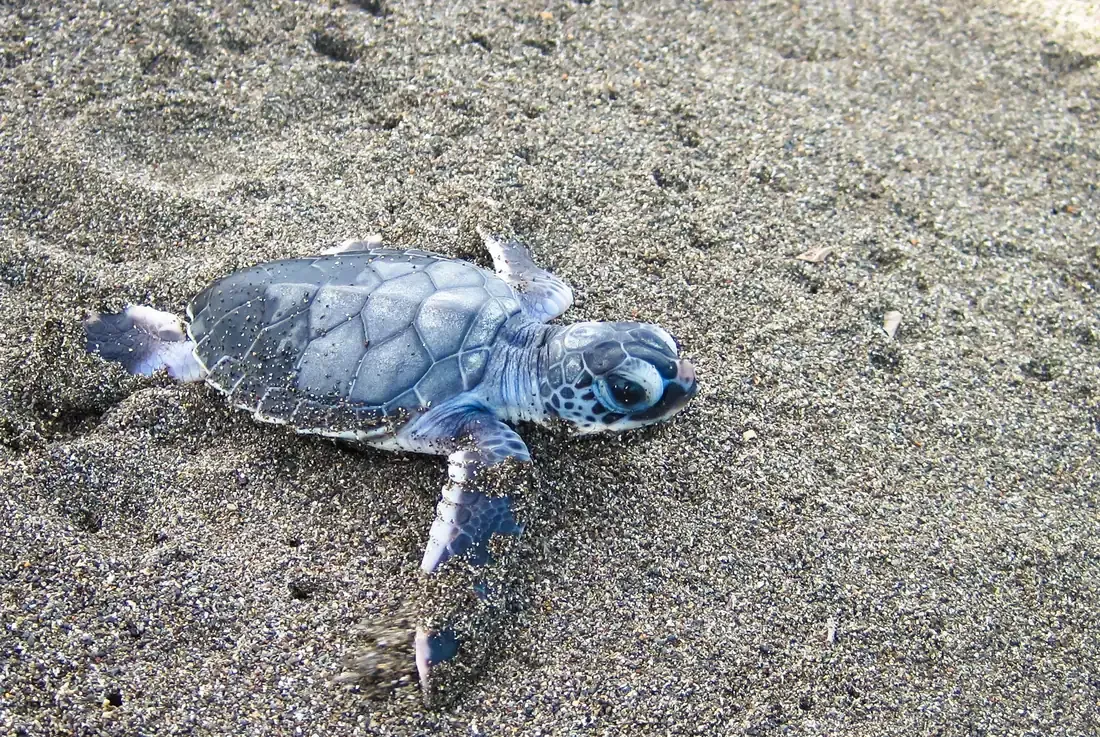
Sea Turtles
Nesting and hatching are seasonal and site-specific — Tortuguero for green turtles, the Caribbean and parts of the Pacific for leatherbacks, depending on time of year. We can build the dates around it.
Tapirs, Great Green Macaws and whales are possible in specific regions and seasons, but sightings are irregular enough that we would rather talk you through the realistic odds than build a page around them.
Already Know What You Want to See?
Send us your priority wildlife list and we can recommend the regions, number of nights and type of guiding that give the itinerary the best structure.
How Wildlife-Focused Do You Want Your Trip to Be?
This matters more than most people expect — it changes which regions we recommend and how much time to allow.
Nature As Part of the Trip
For travellers who want wildlife and rainforest experiences alongside volcanoes, beaches and general Costa Rica highlights.
Wildlife-Focused
For travellers happy to choose destinations and lodges partly for their wildlife access, guides and productive habitats.
Serious Nature Trip
Early starts, specialist guides, more time in fewer places, and routing built around target wildlife or habitats.
Different Habitats, Different Wildlife
A strong wildlife itinerary usually combines ecosystems rather than staying in one. Each habitat brings a different species list.
Caribbean Lowland Rainforest
Sloths, monkeys, toucans and frogs, with Great Green Macaw habitat in specific northern areas such as Boca Tapada.
Cloud Forest
Quetzals, hummingbirds and specialised highland birds in a cooler, mist-covered forest ecosystem.
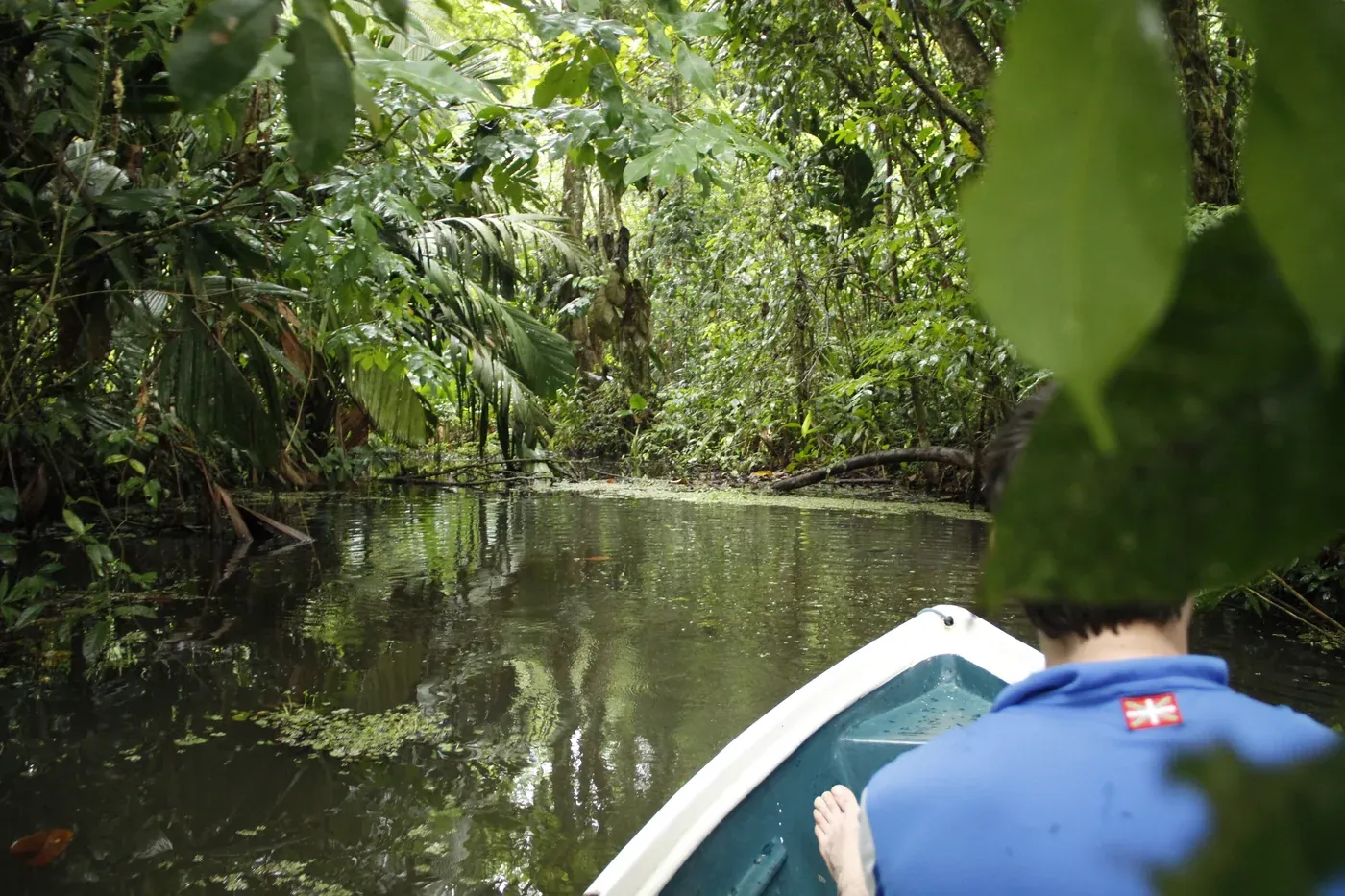
Wetlands & Rivers
Waterbirds, caimans, crocodiles and monkeys, best explored slowly by boat.
Pacific Lowland Rainforest
Scarlet macaws, monkeys and, in the right region, tapirs, in some of the country’s densest rainforest.
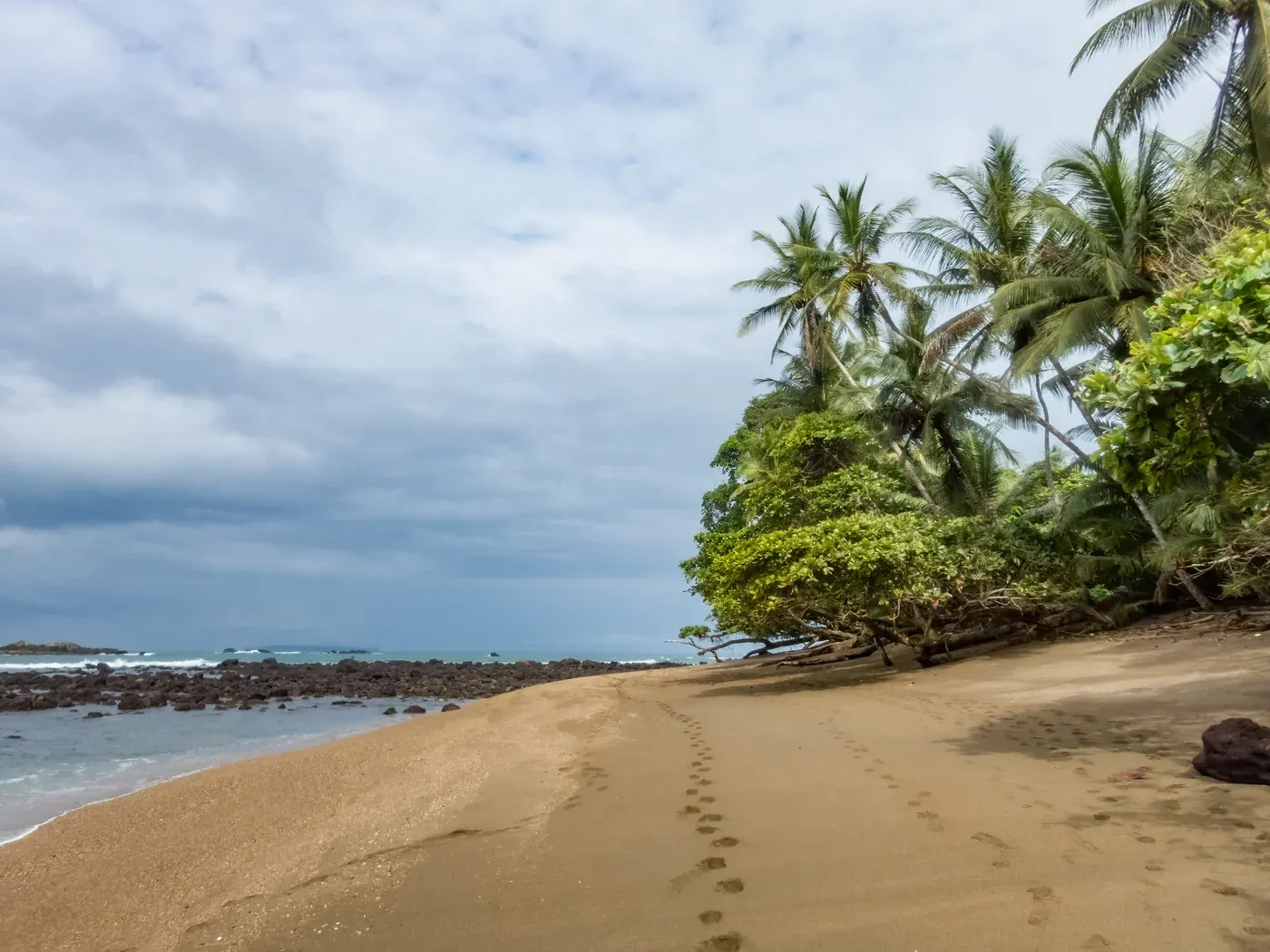
Coastal & Marine
Sea turtles, and whales and dolphins where seasonal conditions line up.
Best Regions for Wildlife in Costa Rica
No single region does everything well. Here is how the main wildlife destinations differ.
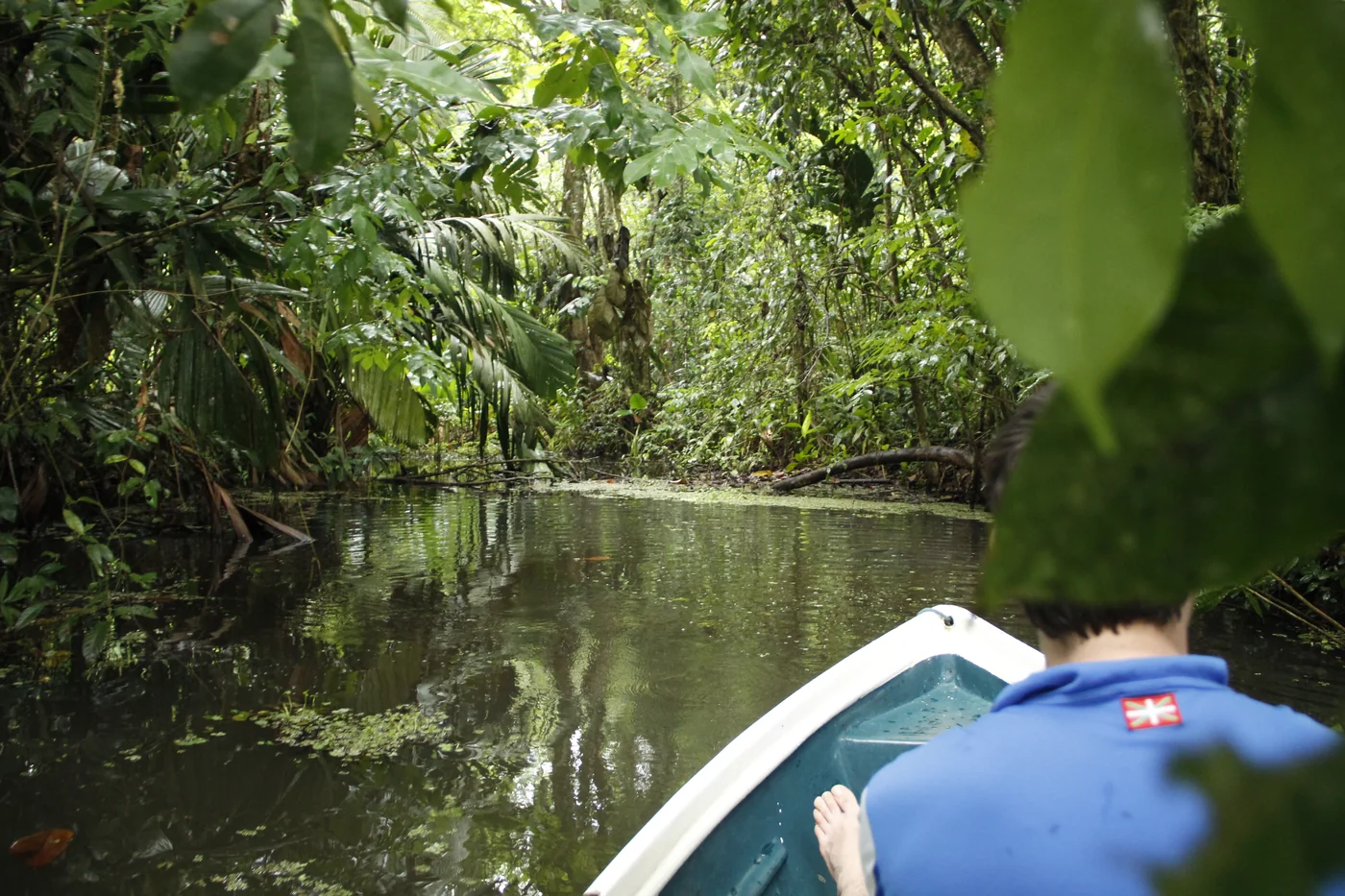
Tortuguero
Rainforest canals, monkeys, sloths and birds year-round, with turtle nesting seasonal. Reached by boat only, which keeps it quieter than road-accessible parks.
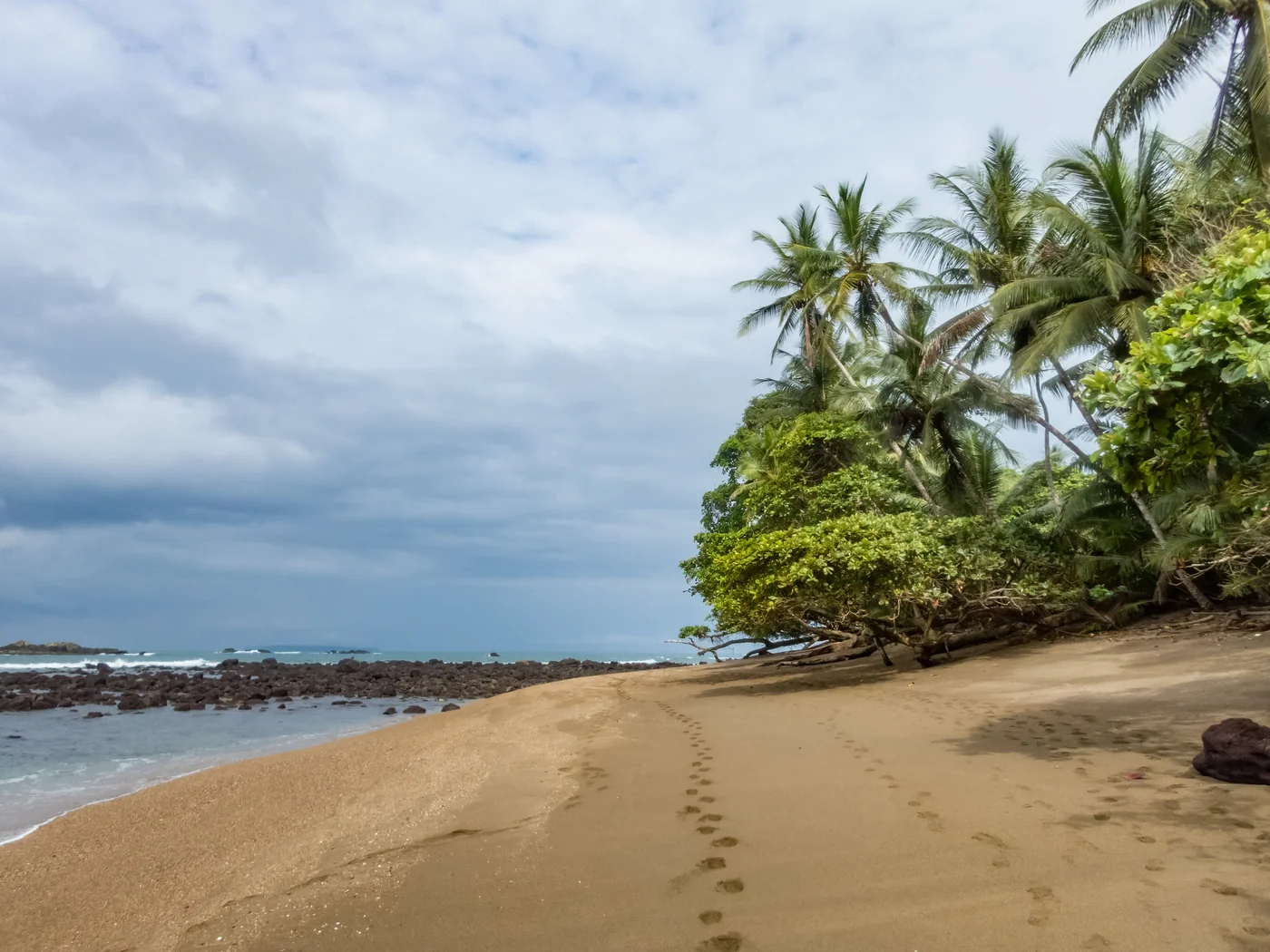
Osa Peninsula & Corcovado
Dense Pacific rainforest with real wildlife density — monkeys, scarlet macaws and, in the right conditions, tapir. Worth allowing enough time for; one night usually creates more travel than wildlife time.
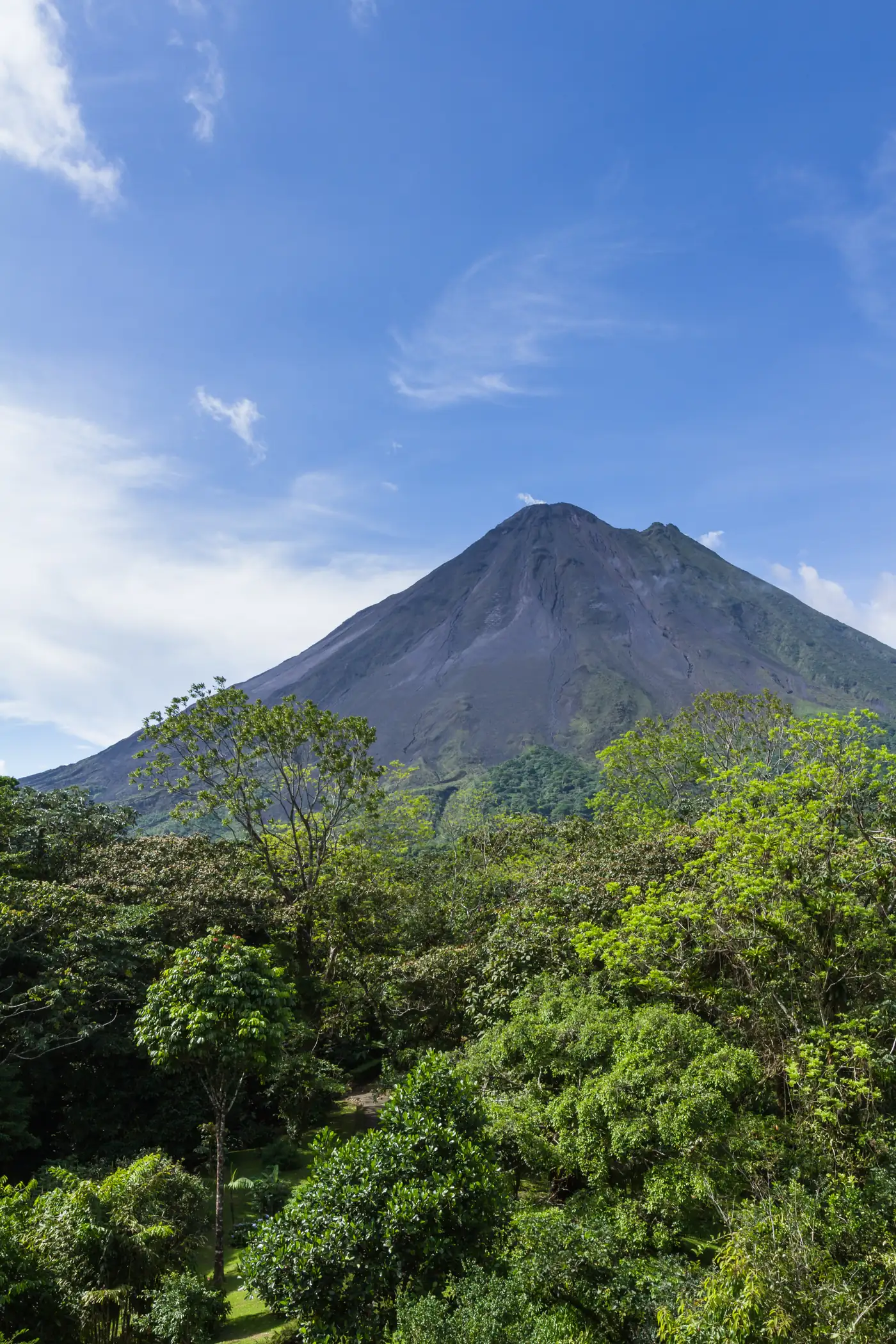
Arenal & Northern Lowlands
Sloths, monkeys and toucans in easy reach, with the widest choice of lodges and activities. A straightforward wildlife stop to combine with almost any itinerary.
Boca Tapada / Maquenque
Lowland rainforest north of the standard Arenal loop, with Great Green Macaw habitat and quieter, birding-focused wildlife viewing. Covered in more depth on our Off the Beaten Path page.
Caño Negro
A wetland reserve best explored by boat — waterbirds, caimans and monkeys, with fewer visitors than the more famous canals further east.
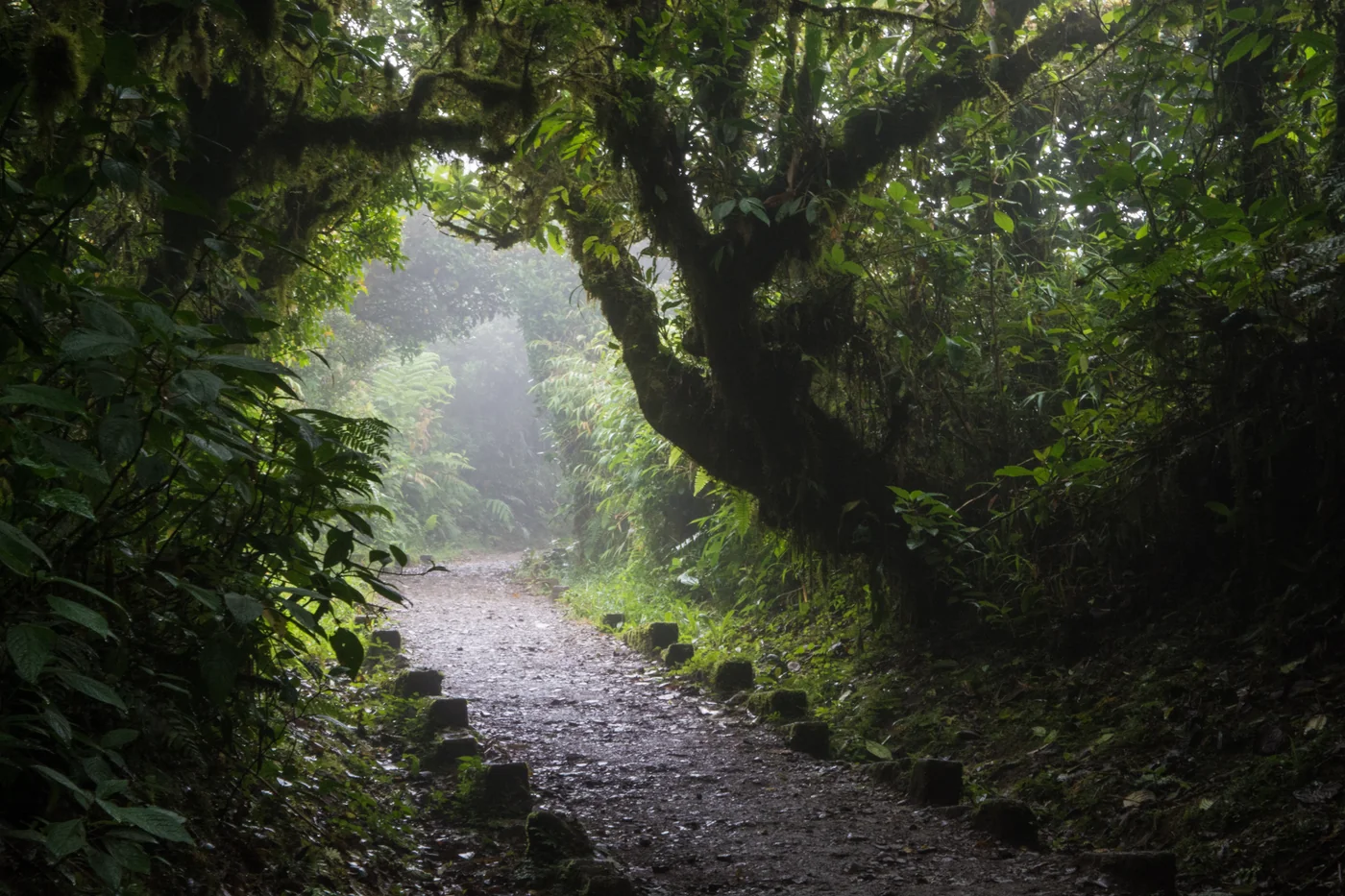
Monteverde
Cloud forest birding rather than big-mammal wildlife — quetzals, hummingbirds and a genuinely different ecosystem from the lowlands.
Manuel Antonio
Accessible wildlife close to the trailhead — monkeys and sloths are regularly seen — combined with an established beach town. Worth using carefully during busier periods, when trail traffic can affect the experience.
Why a Good Wildlife Guide Matters
The difference between a good and an average wildlife day is usually the guide, not the location. A good naturalist guide is spotting movement before you are, recognising calls, knowing which trees are fruiting and where animals have been active recently. They read behaviour, use a spotting scope well, and time the walk around when animals are actually active — without pushing in too close. We work with guides who do this for a living, not a side activity.
Wildlife Without Giving Up Comfort
Rainforest wildlife does not mean rough travel. Depending on region and budget, you can stay in comfortable nature lodges, boutique properties or higher-end rainforest lodges. The property with the best wildlife access, guiding and location is not always the one with the most stars — that trade-off is worth talking through before booking, especially in Tortuguero, Boca Tapada or the Osa Peninsula, where lodge choice affects the wildlife access itself.
Wildlife & Birdwatching
Birding fits naturally into a wildlife-focused itinerary, particularly in cloud forest and wetland regions. If birds are the main goal rather than one part of a broader trip, our Costa Rica birdwatching tours page goes into more detail on routes and guiding.
Wildlife & Family Trips
Wildlife is often the strongest part of a Costa Rica family trip — sloths and monkeys hold kids’ attention in a way that ruins and museums rarely do. Pace and activities can be adjusted; see our family vacation packages for itineraries built around that.
Wildlife, Beach & the Rest of Costa Rica
Rainforest wildlife combines well with volcano stops, beach time, culture and lighter adventure activities. Moving between regions usually means a private transfer timed around an early wildlife activity — something worth planning rather than leaving to a shared shuttle schedule; see our private transfers.
Know Before You Book
- Wildlife sightings can never be guaranteed — we can put you in good habitat with a good guide, not promise a specific animal.
- Time of day matters. Most rainforest wildlife is most active early morning and late afternoon.
- Season affects some species and experiences more than others — turtle nesting and certain marine encounters are seasonal.
- Specialist guides are worth using in key areas such as Monteverde for quetzals or Caño Negro for wetland wildlife.
- Some wildlife regions need more nights than a quick stop allows — Corcovado and Tortuguero both reward longer stays.
- Rushing through many destinations in a short time usually reduces wildlife quality, not just comfort.
- Weather affects activity levels, particularly for birds and reptiles.
Plan Your Costa Rica Wildlife Trip
Tell us which wildlife, habitats or nature experiences matter most to you, how many days you have, and what else you want to include. We’ll recommend a route that makes sense.