


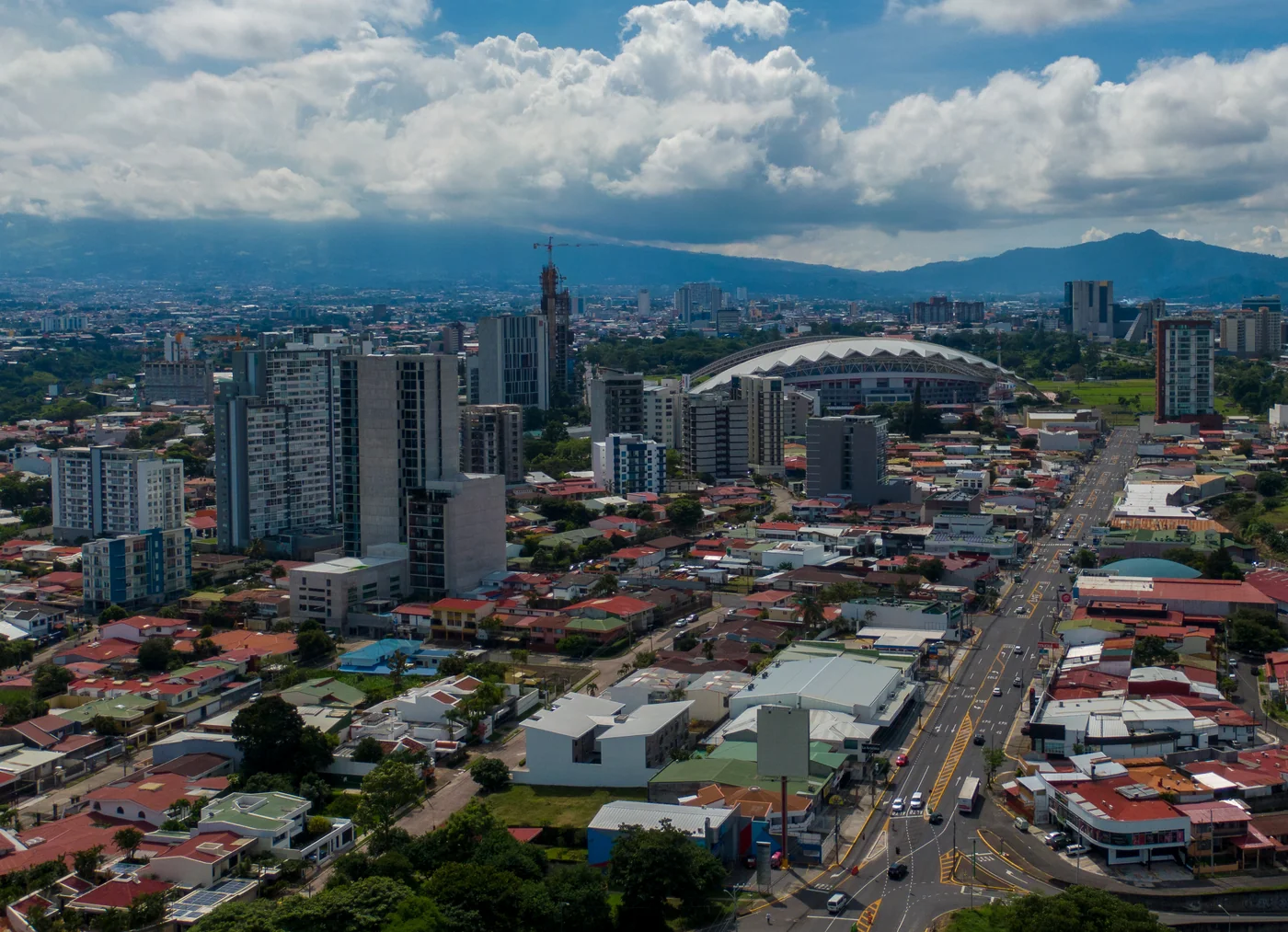
The Central Valley is where three quarters of Costa Ricans live, and where almost every trip begins and ends.
The Central Valley is the plateau in the middle of the country: San José, the airport, the coffee, and a ring of volcanoes you can drive up. Most people pass through it in a taxi and never look. That is a small waste, because a day here is one of the more interesting days of the trip.
It sits at around 1,200 metres, which is why the climate is what Costa Ricans call eternal spring – low twenties all year, cool at night, no air conditioning needed. It is also why the coffee is good.
We are not going to tell you San José is a beautiful city. It is a working capital with a handful of genuinely good museums, an excellent central market and some of the best restaurants in the country. One night at the start or end, in the right neighbourhood, is worth it. Three nights is not.
What is actually worth your day
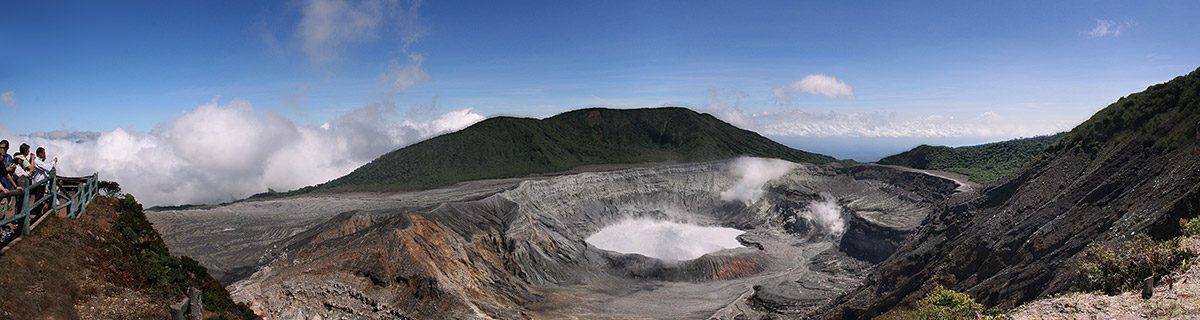
The volcanoes
Poás has one of the largest active craters in the world and you can walk to the edge of it in ten minutes from the car park. Entry is by timed ticket and the crater clouds over by mid-morning, so it is an early start or nothing. Irazú, the other one, is higher and barer and on a clear day you can see both oceans.

Coffee
A coffee farm visit here is not a tourist stop bolted onto a plantation – the Central Valley is where Costa Rican coffee actually comes from, and the good tours walk you through picking, depulping, drying and roasting before you taste it. Doka and Britt are the well-known ones; there are smaller family fincas we like better.

San José itself
The Pre-Columbian Gold Museum and the Jade Museum are both genuinely excellent and both take about an hour. The Mercado Central is the best hour of eating in the city. The National Theatre is worth stepping into even if you do not see a performance.
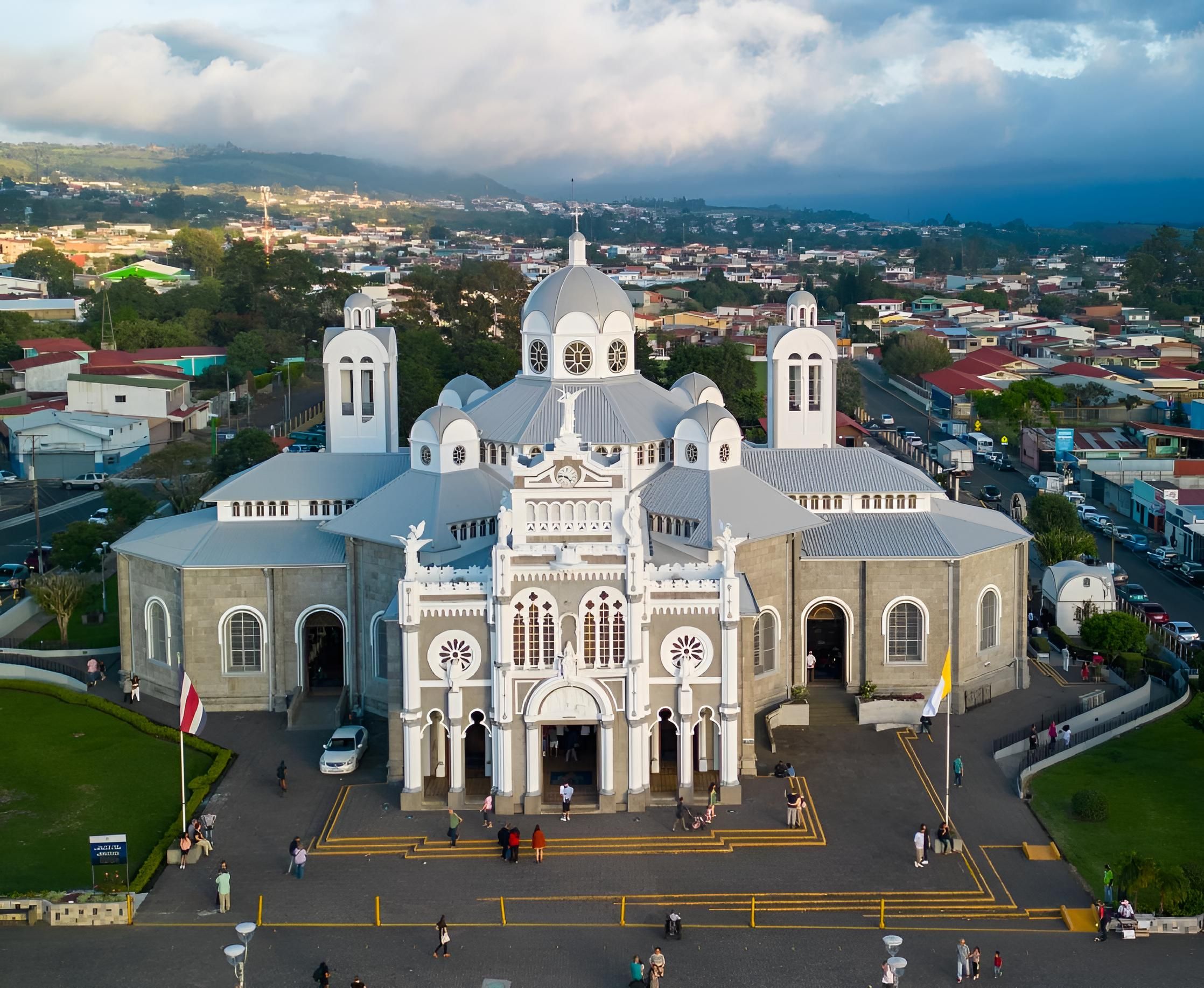
Cartago, Orosi and Bajos del Toro
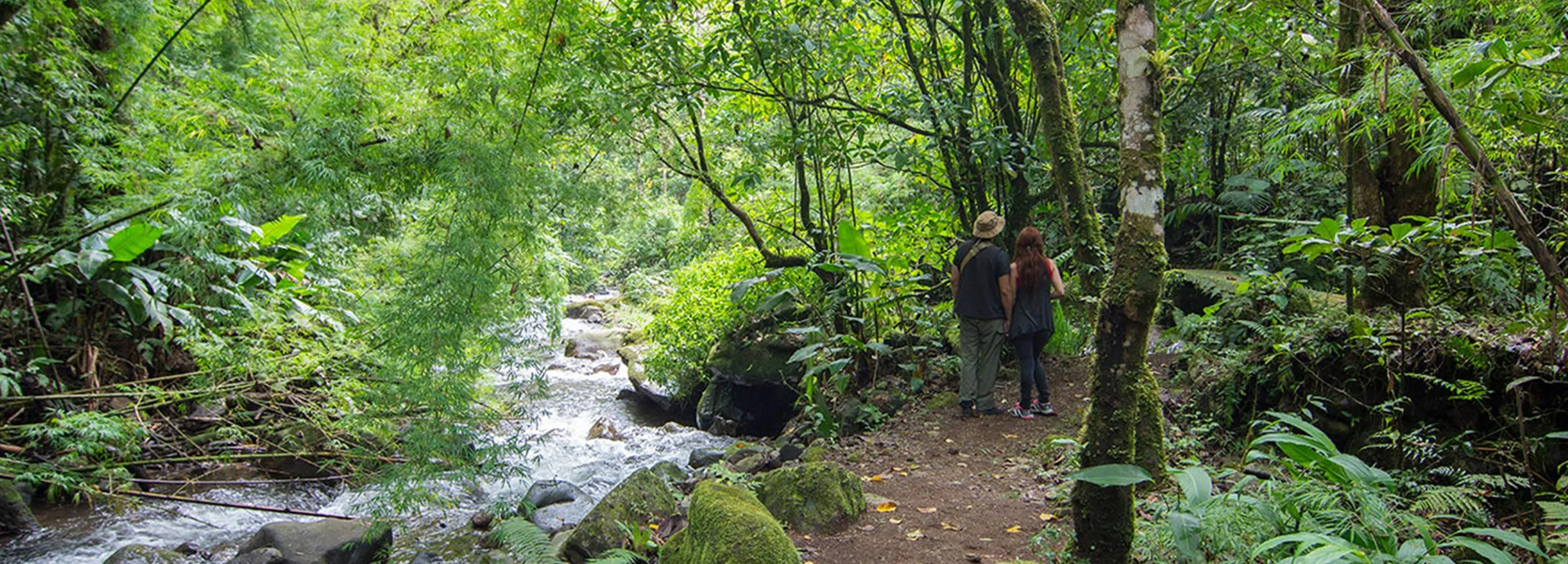
Half an hour east of San José, the Basilica at Cartago is the country’s most important pilgrimage site, and the Orosi valley behind it is green, quiet and almost untouristed. North-west, Bajos del Toro is a cloud-forest valley with waterfalls and almost no one in it.
San Gerardo de Dota
Two hours south, up in the mountains at 2,200 metres, is where we send people who want a resplendent quetzal without gambling on Monteverde. The odds here are better than anywhere else in the country, and it is cold enough at night to need a fire.
Where we put people
We almost never put people in the middle of San José. These are the ones we use.
- Grano de Oro, San José – a converted mansion in Paseo Colón, quiet inside, and the best restaurant of any hotel in the city. Our usual first and last night.
- Xandari Resort & Spa, Alajuela – gardens, a spa and twenty minutes from the airport. The sensible choice if you land late or leave early.
- Finca Rosa Blanca, Heredia – a working organic coffee farm you can sleep on, with views over the whole valley.
- El Silencio Lodge, Bajos del Toro – private cabins in a cloud-forest valley, an hour and a half out, and quiet in a way San José never is.
- Trogon Lodge or Savegre, San Gerardo de Dota – simple mountain lodges where the quetzals are.

Honestly, when to come
The Central Valley is comfortable all year. That is the whole point of it. Expect low to mid twenties by day and fifteen or so at night, every month.
December to April is dry and the volcano views are best. May to November brings afternoon rain, usually from about two o’clock, and clear mornings.
Whatever the season, go up the volcanoes early. Poás and Irazú are both usually in cloud by ten.
Practical notes
Getting there. You are already here – the international airport is in the valley, at Alajuela, twenty minutes from most of these hotels and about forty from central San José.
How many nights. One at each end is normal. Two if you want a proper day for a volcano and a coffee farm, which we would recommend rather than rushing it on arrival day.
Traffic. San José traffic is heavy between seven and nine and again from four to six. We plan transfers around it.
Altitude and cold. At the top of Irazú you are at 3,400 metres and it can be close to freezing. A jacket lives in the car.
Trips that include the Central Valley
Most itineraries only use San José as an arrival and departure night. These four actually stop in the region — for the rafting, the highland birding or the coffee country north of the city.
- Costa Rica Adventure: Pacuare Rafting, Arenal & Manuel Antonio — opens with two days rafting the Pacuare out of Turrialba.
- Costa Rica Birdwatching: A Tailor-Made Birding Tour — two nights at Rancho Naturalista near Turrialba and two more at San Gerardo de Dota for the quetzal.
- Natural Treasures of Costa Rica — Turrialba and San Gerardo de Dota in the same route, before dropping to the Osa.
- Costa Rica Romantic Getaway: Bajos del Toro, Arenal & Manuel Antonio — starts with two nights at Bajos del Toro, in the hills above the coffee farms.
Talk to someone who lives here
Tell us roughly when you want to travel and what the rest of your trip looks like, and we will tell you honestly how many nights the Central Valley is worth for you – and whether it belongs at the start or the end. There is no charge for a proposal.
Trips built around a theme: honeymoons · birdwatching · diving · tailor-made trips