


Real Routes, Real Logistics, Since 1998
What “Off the Beaten Path” Actually Means in Costa Rica
It does not have to mean rough travel. In practice it usually means one of a few things:
- Adding one quieter region to an otherwise classic itinerary — a few nights in Boca Tapada instead of a second rainforest stop near Arenal.
- Choosing a highland base most visitors skip, like San Gerardo de Dota, over the more visited Monteverde.
- Going deeper into the Osa Peninsula, past Puerto Jiménez, rather than stopping at Manuel Antonio.
- Building time around wildlife and birding rather than around named “sights” — Caño Negro, for instance, is a wetland reserve with an excellent wildlife boat trip and far fewer visitors than the canals further east.
- Spending longer in fewer places instead of moving every one or two nights.
- Staying at small, owner-run nature lodges instead of larger hotels, simply because the good ones in these regions tend to be small by nature of the location.
None of this requires giving up comfort. It requires different route planning.
How Far Off the Beaten Path Do You Want to Go?
Easy Going
Quieter destinations that are still straightforward to reach — a paved or well-maintained road, a normal transfer time, comfortable mid-size lodges. Rincón de la Vieja and Turrialba both fall here: real off-the-beaten-path scenery without complicated logistics.
More Adventurous
Smaller lodges, longer travel times, and regions that need a bit more planning around timing and connections. Boca Tapada and San Gerardo de Dota are typical — both are easy once booked correctly, but neither is a drop-in stop on the way to somewhere else.
Remote Costa Rica
Places where a boat transfer, a short domestic flight, or genuinely limited services are simply part of how you get there and what is available once you arrive — the Osa Peninsula and Drake Bay in particular. Worth it for the right traveller; not something to add on casually with only a night or two to spare.
TELL US HOW REMOTE YOU WANT TO GO
Places Worth Going Out of Your Way For
Boca Tapada / Maquenque
Why go: rainforest lodges directly on the San Carlos River, well north of the standard Arenal–Monteverde loop, with a genuinely different bird and wildlife list. More on Northern Costa Rica.
Best for: birders and wildlife-focused travellers who have already done Arenal, or want rainforest without the crowds.
Combines well with: Caño Negro, Rincón de la Vieja.
San Gerardo de Dota
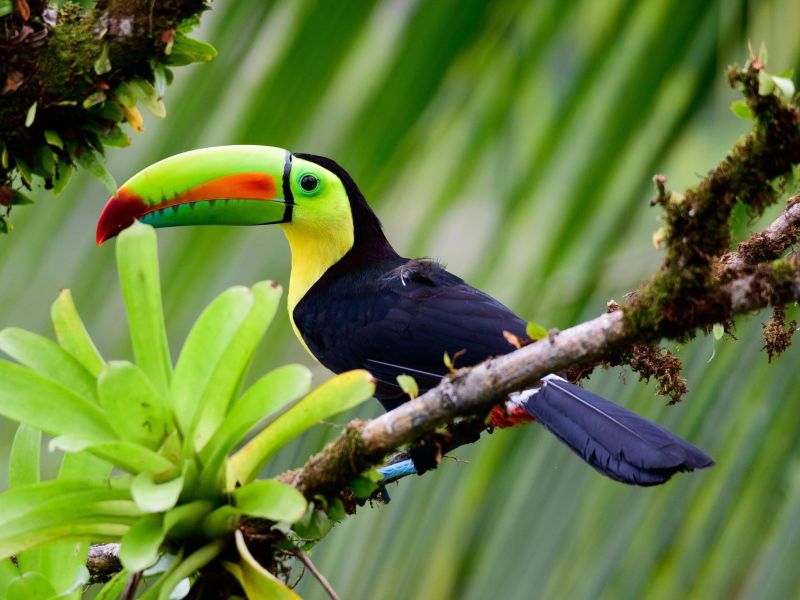
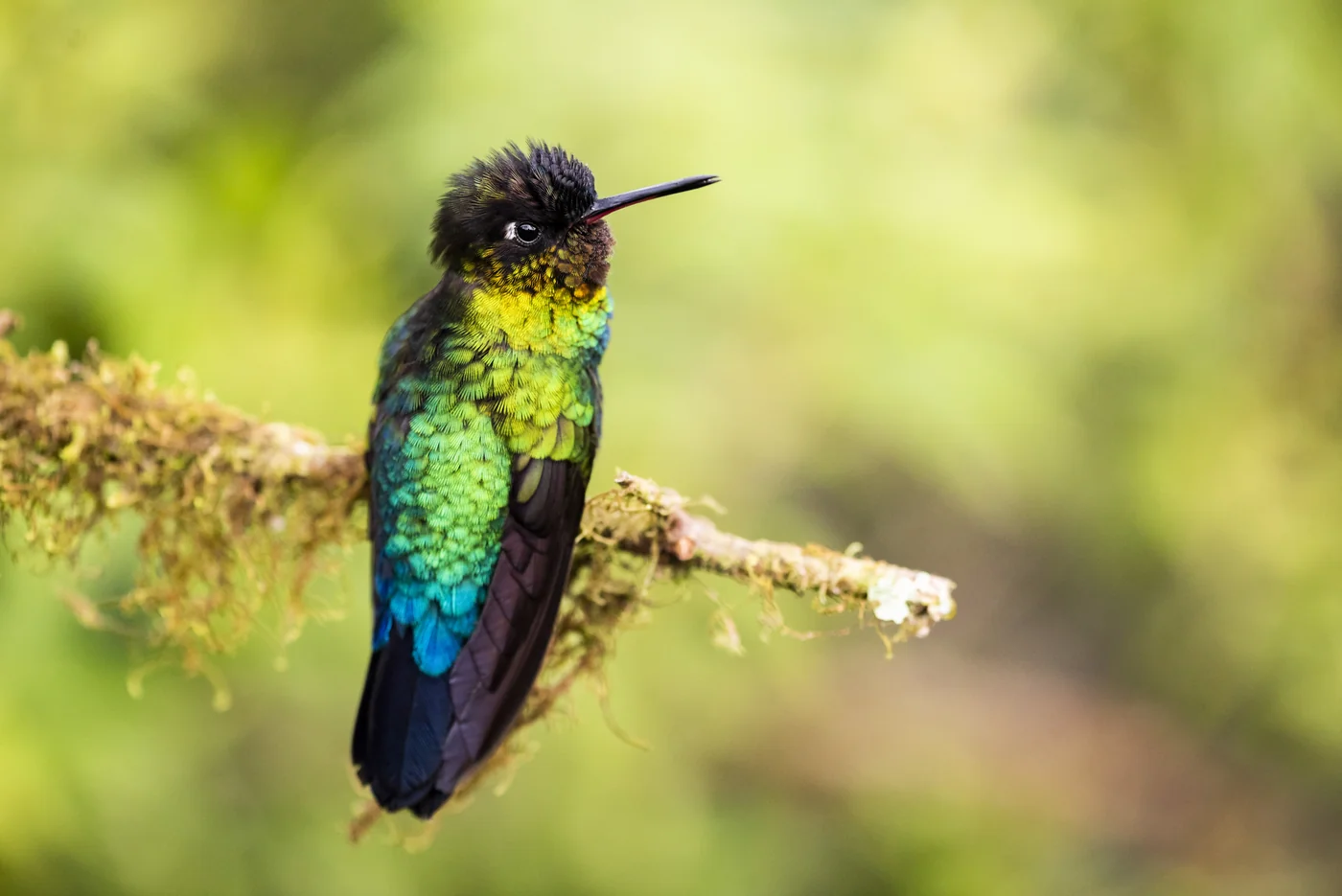
Why go: high-elevation cloud forest in the Talamanca mountains — cooler, quieter, and one of Costa Rica’s best-known areas for quetzal watching.
Best for: birders, photographers, and travellers who want a highland alternative to Monteverde. More on the Central Valley and highlands.
Combines well with: the Osa Peninsula or the Central Pacific coast as a mountains-to-beach route.
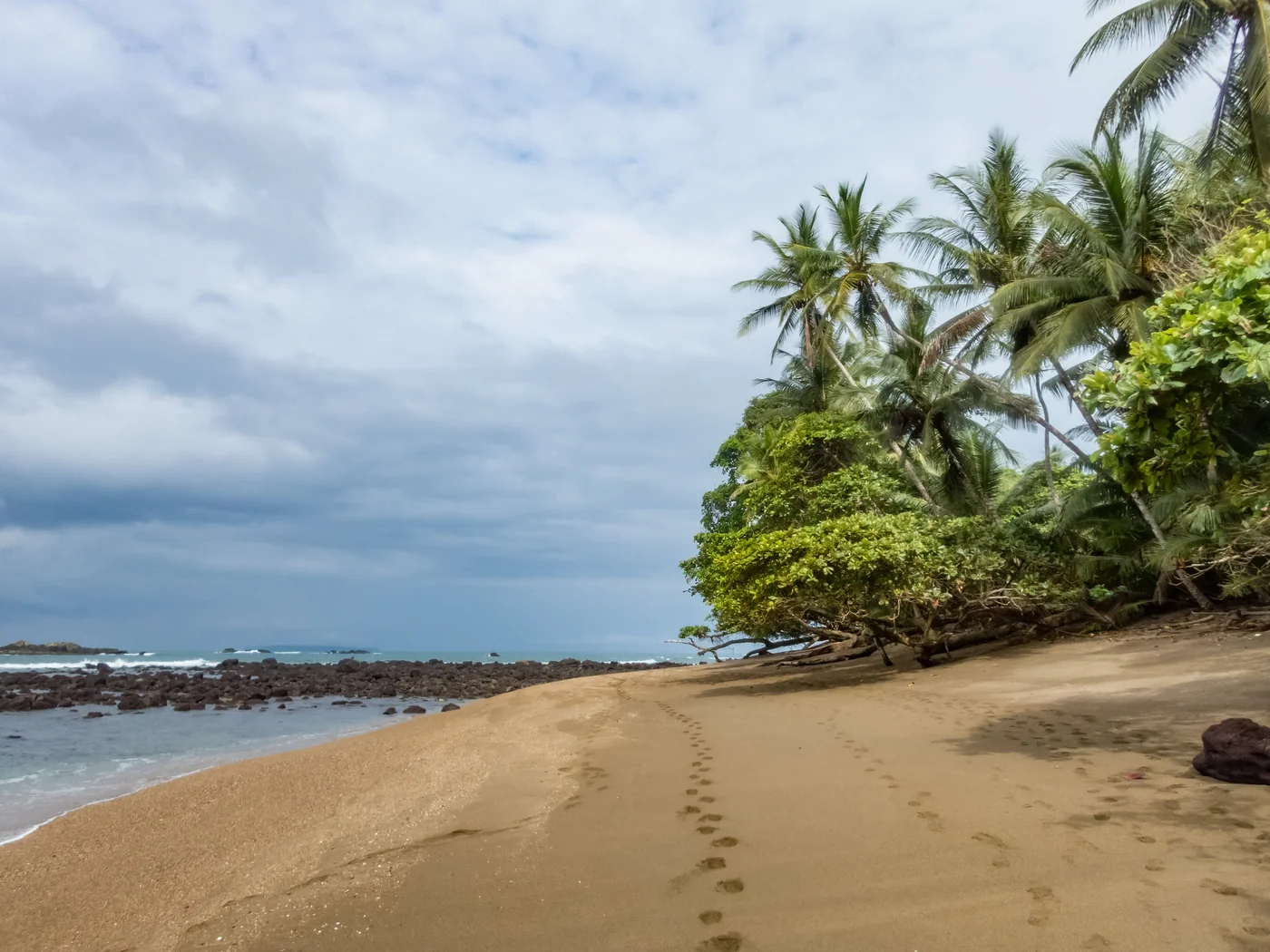
Osa Peninsula / Corcovado
Why go: one of Costa Rica’s largest and most important remaining areas of lowland Pacific rainforest, and the closest thing the country has to a true wilderness trip. Part of the wider Southern Pacific & Osa Peninsula region.
Best for: serious wildlife travellers and repeat visitors who want density and variety over convenience.
Combines well with: San Gerardo de Dota en route, or as a standalone deep-nature extension after Manuel Antonio.
Caño Negro
Why go: an excellent wildlife boat trip — caimans, monkeys, waterbirds — through one of northern Costa Rica’s most important wetland areas, without the crowds of the more visited canals further east.
Best for: travellers who want a strong wildlife morning without committing several days to a remote lodge.
Combines well with: Boca Tapada, Rincón de la Vieja.
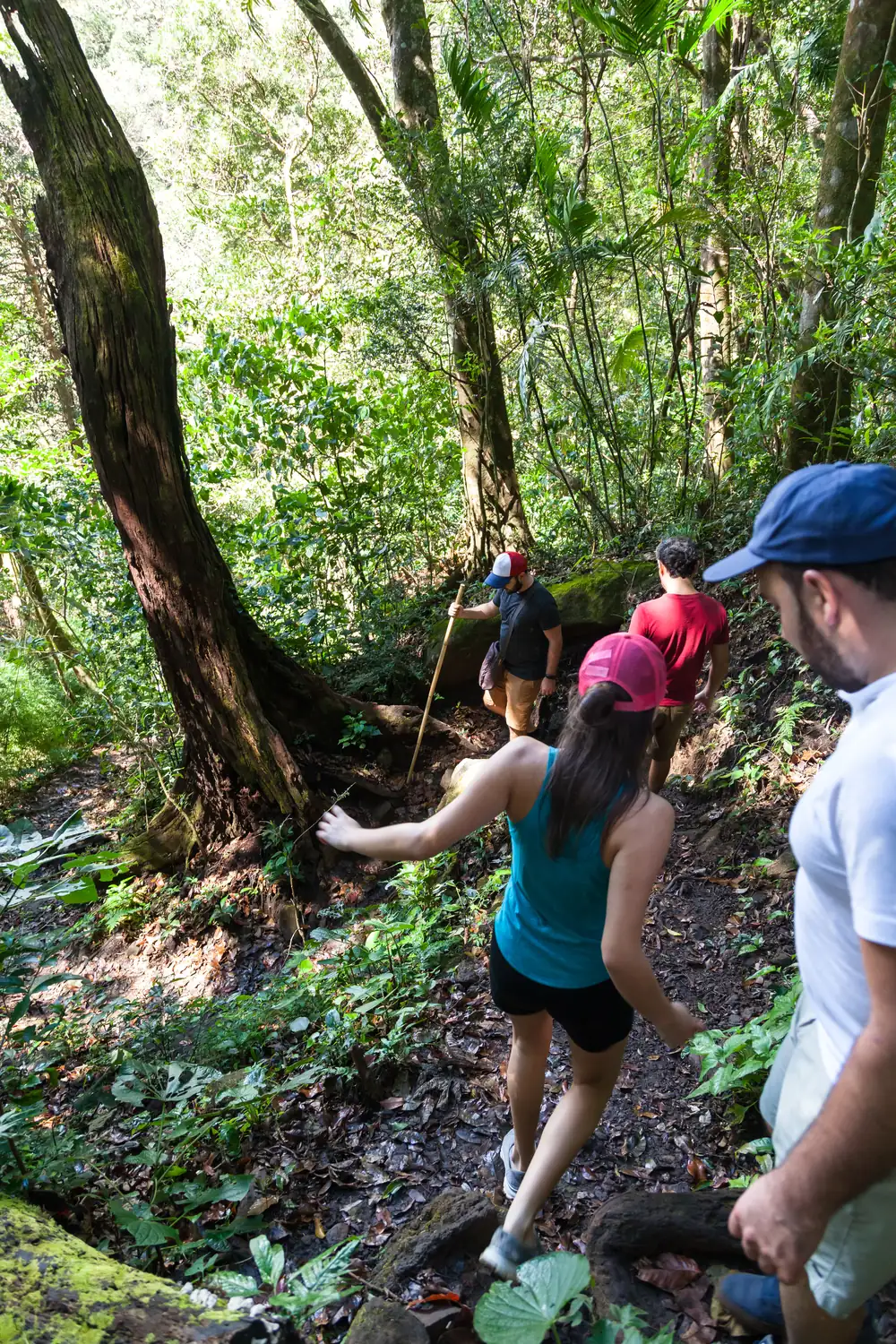
Rincón de la Vieja
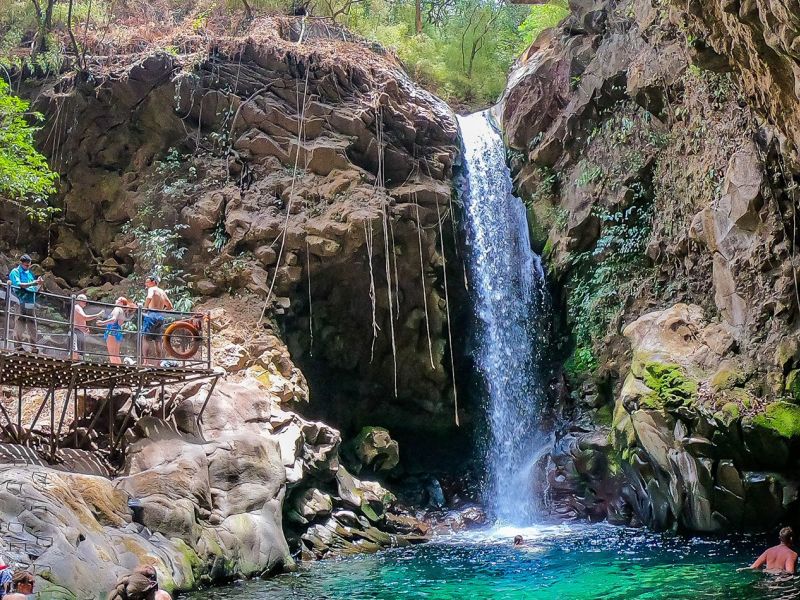
Why go: an active volcano with hiking trails, waterfalls, and natural hot rivers, in Guanacaste but well away from the beach resorts.
Best for: travellers who want an active, outdoors-focused stop with straightforward access.
Combines well with: Guanacaste beach time, or as a link between the north and the Nicoya coast.
Turrialba
Why go: whitewater rafting and a rural, agricultural side of the Central Valley that most itineraries skip entirely.
Best for: travellers who want one adrenaline day without detouring far from San José.
Combines well with: San Gerardo de Dota or the Caribbean coast as onward routes.
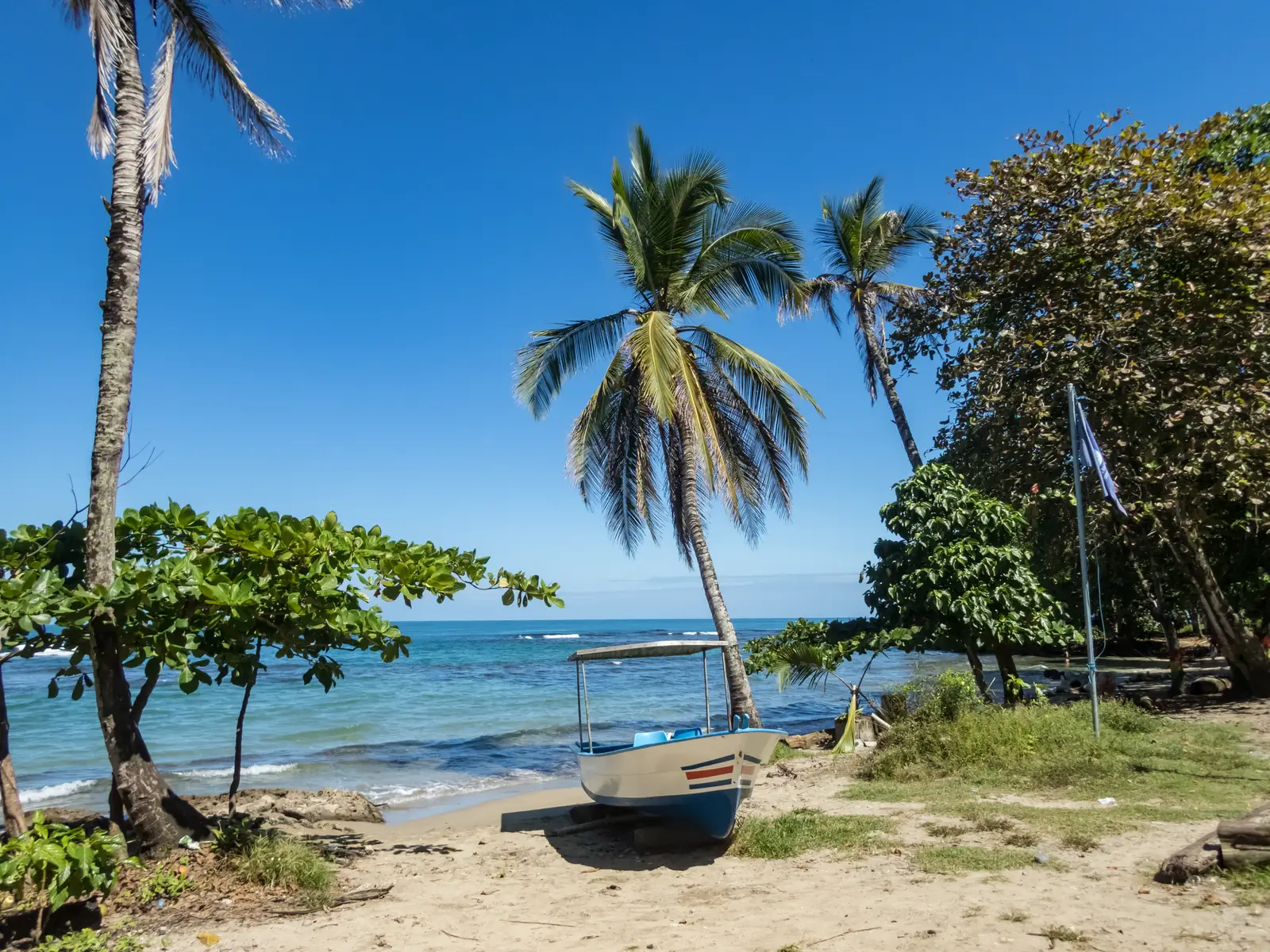
Puerto Viejo / South Caribbean
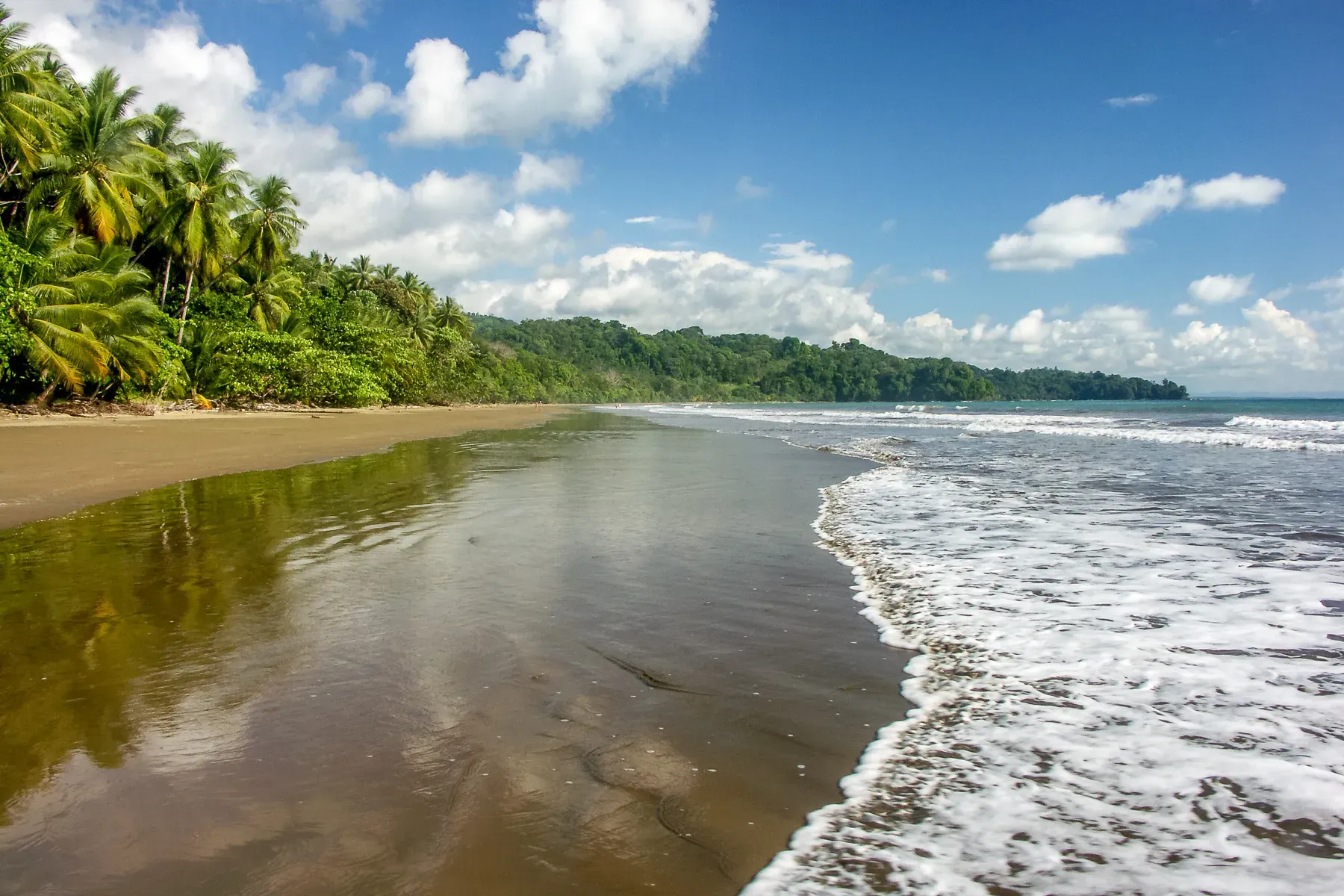
Why go: Afro-Caribbean culture, a slower pace, and a coastline that looks and feels different from anywhere on the Pacific side.
Best for: travellers who want beach time with more culture and less resort infrastructure.
Combines well with: Tortuguero, or as a final relaxed stretch after an active itinerary.
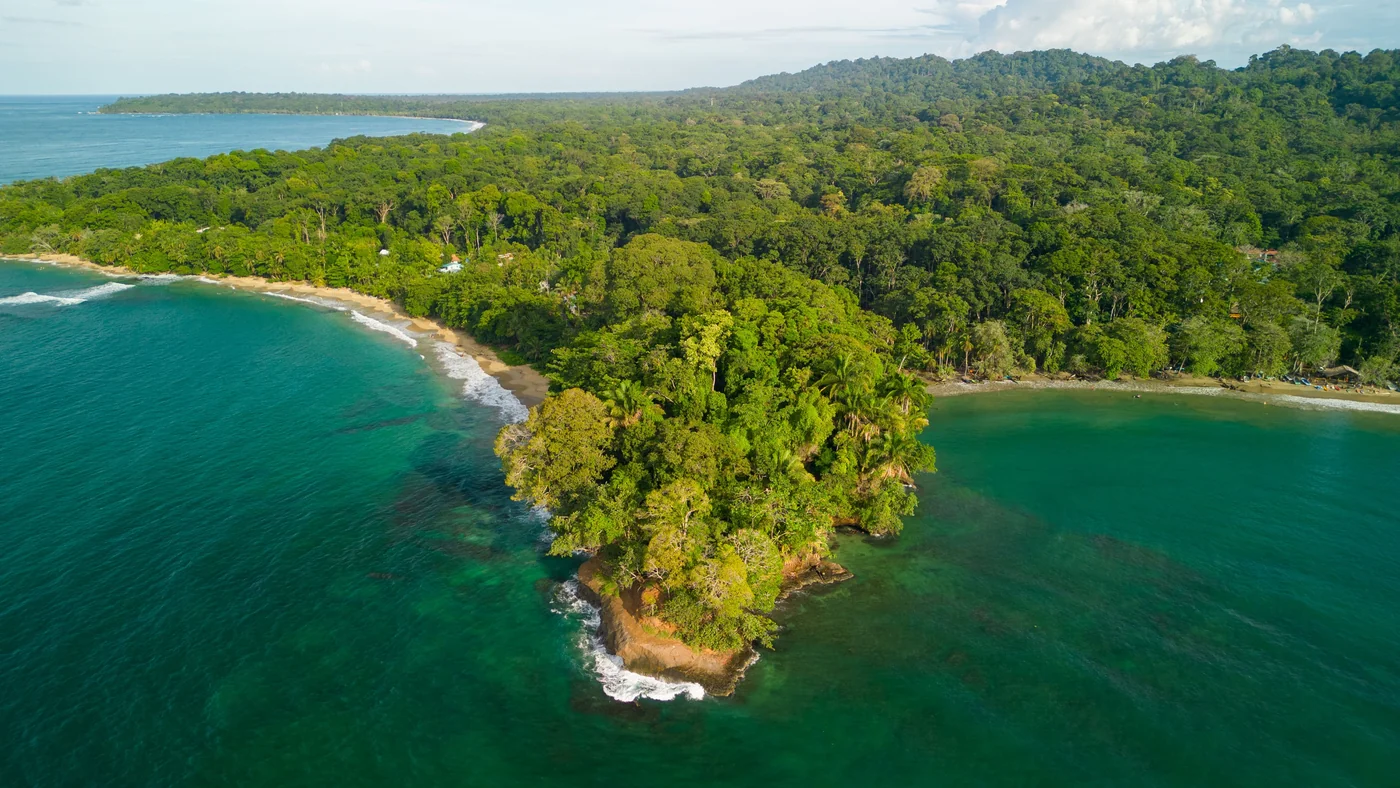
Punta Uva, near Puerto Viejo on the South Caribbean coast.
Classic Costa Rica vs. Quieter Alternatives
This is not about one destination simply replacing another — they offer different experiences. It is about which one suits what you actually want from that part of the trip. Sometimes the strongest itinerary combines both.
Arenal
Best if you want an easy, well-organized introduction to Costa Rica’s nature and adventure activities, with the widest choice of tours and infrastructure.
Boca Tapada / Río Celeste
Better suited if you have already done Arenal, or want to add one rainforest stop with noticeably fewer visitors and more wildlife per outing.
Monteverde
Best if you want classic cloud forest combined with a broad range of activities — canopy tours, hanging bridges, night walks — and easy integration into a first-time itinerary.
San Gerardo de Dota
Better suited to travellers looking for a quieter highland stay, focused on birdwatching, quetzals and a slower nature-focused pace.
Manuel Antonio
Best if you want a national park with reliable wildlife sightings close to the trailhead, combined with an established beach town and good infrastructure.
Osa Peninsula / Golfo Dulce
Better suited to travellers who want more rainforest and more remoteness, and are comfortable with fewer services in exchange for it.
Busy Guanacaste / Nicoya beach towns
Best if you want a wide choice of resorts, restaurants and organized beach activities.
Nosara or the South Caribbean
Better suited to a quieter coastal pace, with a more local, less resort-driven feel.
Is Off-the-Beaten-Path Costa Rica Right for You?
Works well for:
- Wildlife lovers and birders
- Photographers
- Travellers who have already done Costa Rica once and want to go deeper
- Couples wanting quieter, more private places to stay
- Travellers who prefer small, owner-run lodges over larger hotels
- Longer itineraries, or trips where you are happy to visit fewer places and stay longer in each one — remote destinations are harder to combine well into a very short trip
- Anyone happy spending three or four nights in one place rather than moving constantly
Worth thinking twice about: a first-time visitor with only seven days is often better served combining one or two classic destinations than trying to reach several remote regions — the travel time alone can eat into a short trip. In that case, we would usually suggest adding one quieter region to a classic route rather than building the whole trip around remote destinations.
Why Route Planning Matters
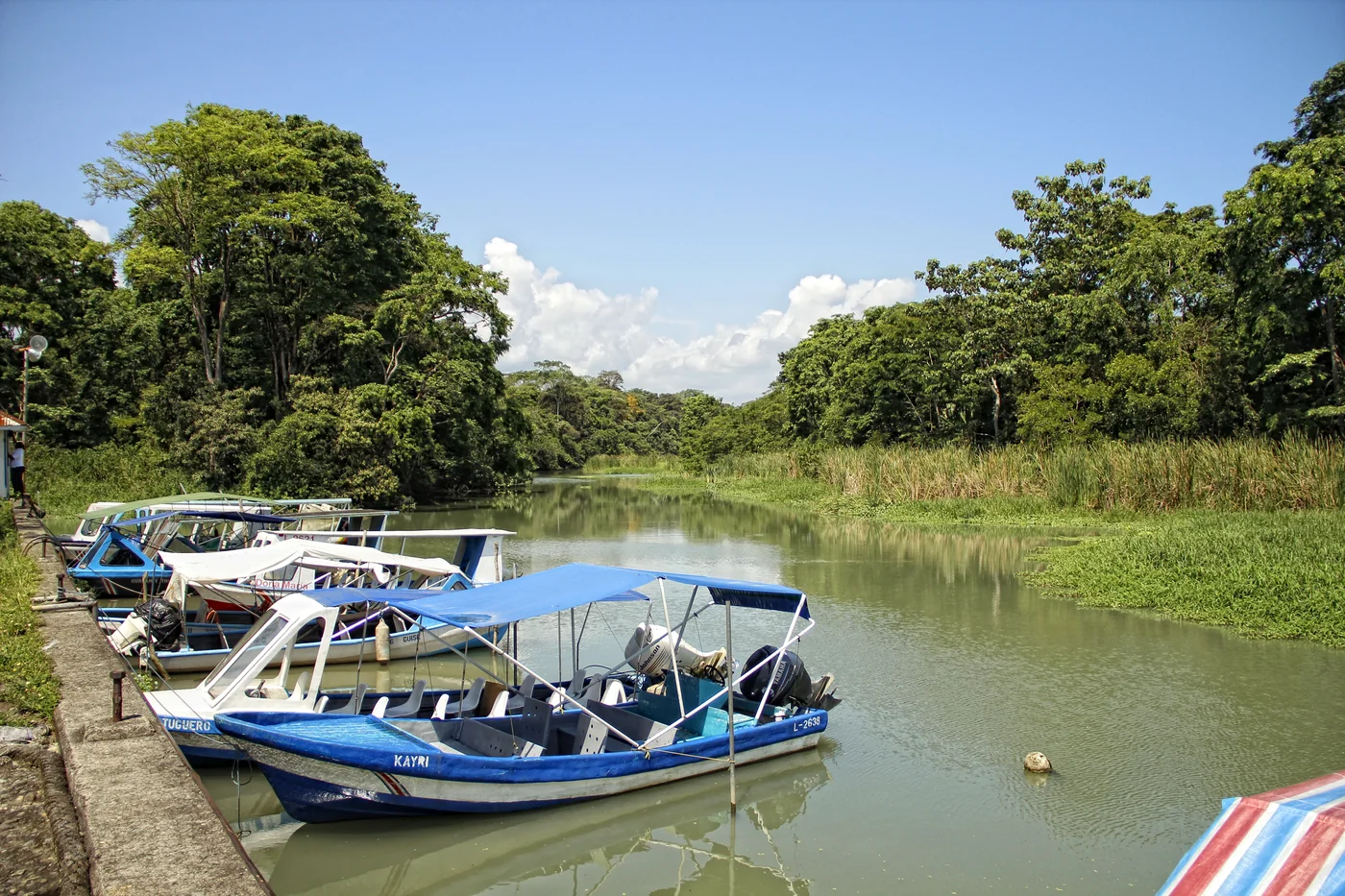
A boat transfer, a short domestic flight, or a specific connection is sometimes simply part of getting there.
A destination can look close on the map and still take several hours to reach — a mountain road, a river crossing, a boat transfer, or a specific flight connection that only runs once a day. Boca Tapada and San Gerardo de Dota are both good examples: neither is far in a straight line, but both need to be timed properly against where you are coming from and going next. The Osa Peninsula usually means either a short domestic flight or a genuinely long drive, and Drake Bay lodges are often boat-access only.
None of this is a reason to avoid these places. It is the reason route order, minimum nights per stop, and transfer timing matter more here than on a standard Arenal–Manuel Antonio loop — and it is exactly the kind of planning we have been doing since 1998.
Combining Off the Beaten Path with Classic Costa Rica
You do not have to pick one style. Two routing patterns that work well:
Arenal → Boca Tapada → Monteverde → Osa Peninsula — the two best-known nature stops, bracketed by two quieter ones, for travellers who want range over a longer trip.
Tortuguero → Turrialba → San Gerardo de Dota → Central Pacific — Caribbean canals, a rafting stop, cloud forest, and a beach finish, without repeating scenery at any point.
For first-time visitors especially, combining one or two well-known destinations with a quieter region tends to work better than an itinerary built entirely around remote places — you get the classic Costa Rica moments everyone asks about, plus one or two places that are genuinely your own.
What Accommodation Looks Like Out Here
In these regions we are usually working with rainforest lodges, small ecolodges, boutique properties, and family-run hotels rather than larger resort-style hotels — simply because that is what exists in these locations. We recommend a specific property because of its location, its guides, its wildlife access, or the logistics it solves, not because of a star rating. In a few places — Drake Bay is the clearest example — where you stay effectively decides how you get there, so accommodation and routing get planned together.