

Costa Rica’s Caribbean Coast: Tortuguero, Cahuita & Puerto Viejo
The Caribbean coast of Costa Rica is another country within the country. Cross over to this side and the rhythm changes, along with the music, the food and even the colour of the sea. Afro-Caribbean culture is woven into every corner, the rainforest reaches right down to the beach, and places such as Tortuguero, Cahuita and Puerto Viejo offer a more relaxed, authentic and less-travelled Costa Rica. Many visitors arrive thinking only of the Pacific and find that the Caribbean quietly steals their heart. If you are after a different, deeply genuine side of the country, this guide is for you.
A Caribbean with its own identity
The Caribbean coast has a history and character quite unlike the rest of the country. The influence of Afro-Caribbean communities, many with Jamaican roots, together with the indigenous Bribri and Cabecar peoples, has shaped a unique culture with its own everyday language (Caribbean creole), music and cuisine. The result is a region where life moves at a gentler pace, all hammocks, bicycles and reggae drifting on the breeze. It is not the Costa Rica of the most familiar postcards, and that is precisely why it charms.

Tortuguero: canals and turtles
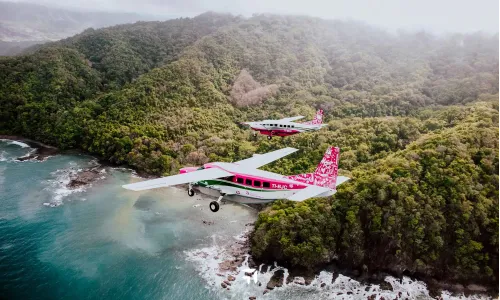
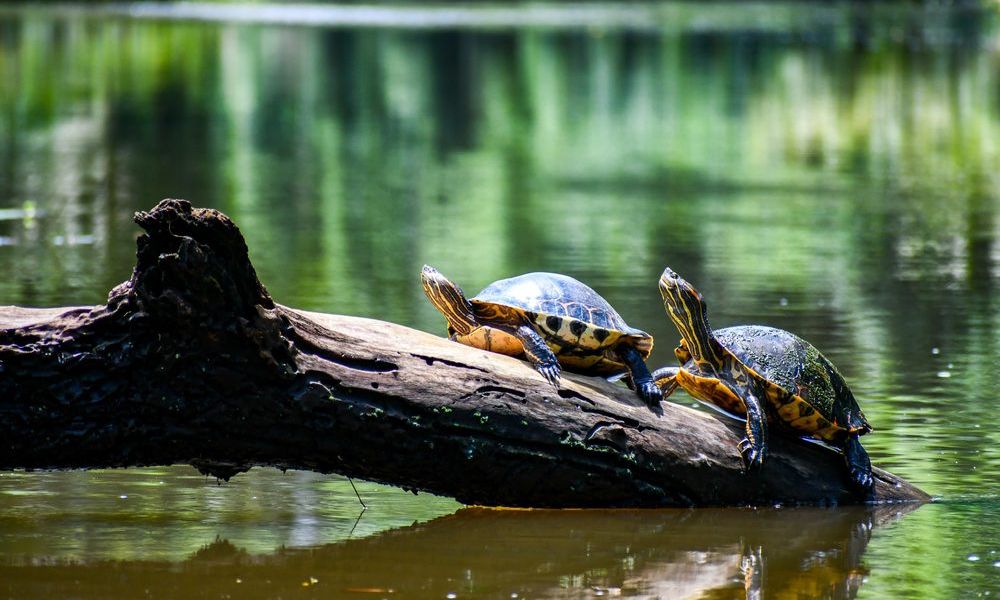
To the north, Tortuguero is a maze of navigable canals reached only by boat or small plane, which lends it a remote, wild feel that is increasingly rare. Often called the “Amazon of Costa Rica”, it is explored by gliding slowly through the vegetation, spotting caimans, monkeys, colourful birds, frogs and sloths tucked among the branches.
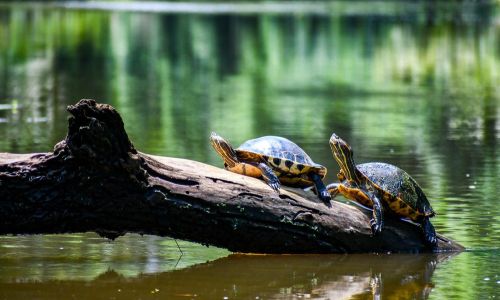
But Tortuguero is famous above all for its sea turtles. In season, its beaches become one of the most important nesting sites in the Caribbean, when green turtles come ashore at night to lay their eggs. Witnessing it, always with authorised guides and strict respect for the animals, is deeply moving. The dates vary by species, so it is worth planning your trip around the season.

Cahuita: village, park and beach
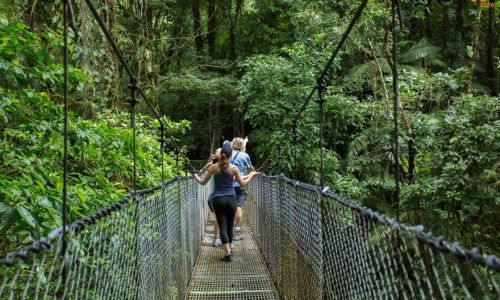
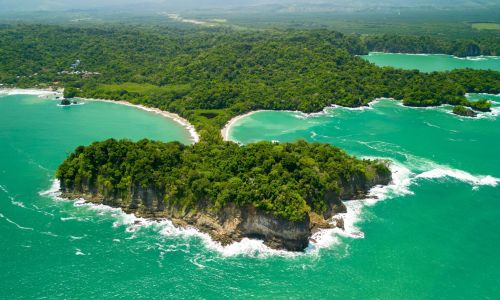
Further south, Cahuita pairs a laid-back, unhurried village with one of the loveliest national parks in the country. Here the rainforest spills right onto the sea: its flat, accessible coastal trail lets you walk for hours amid monkeys, sloths, raccoons and birds, with the beach always at your side. It is one of the best places on the Caribbean to watch wildlife, on your own or with a guide who will help you spot what the eye alone would miss.
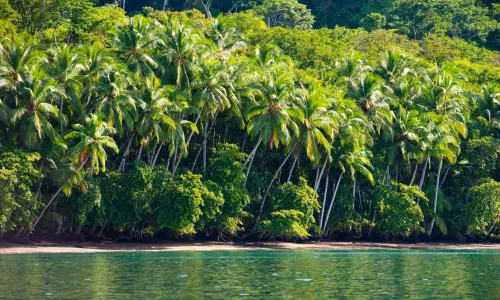
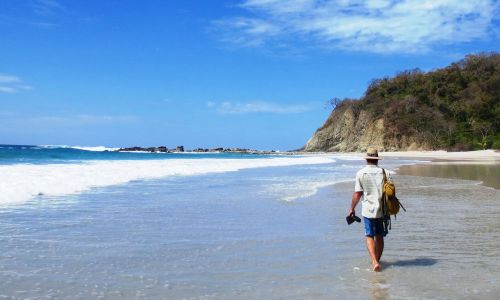
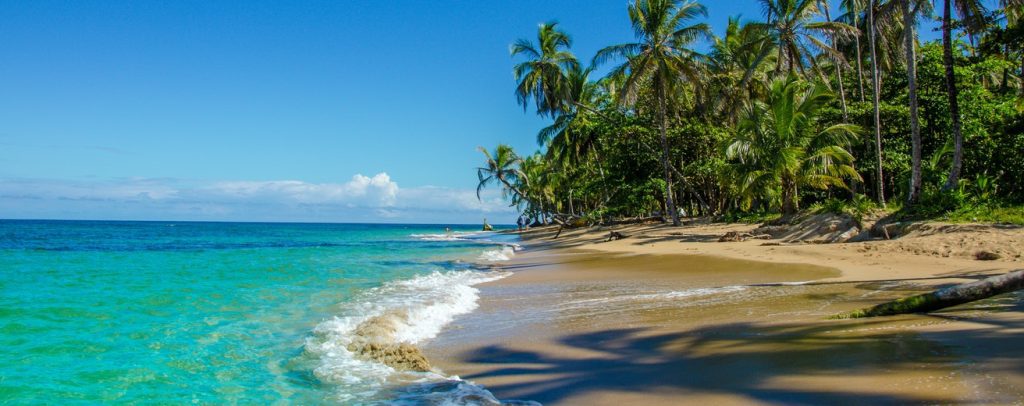
Offshore, Cahuita also protects a coral reef, one of the few in the country, ideal for snorkelling in calm waters. And its beaches, pale sand and palms leaning over the sea, are exactly the Caribbean image you dream of.
Puerto Viejo and the southern Caribbean
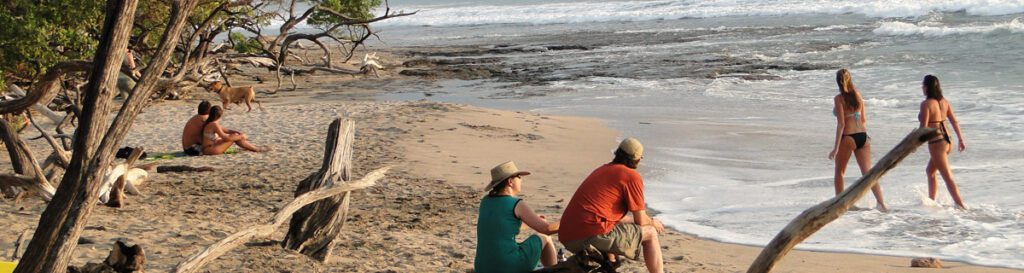
Puerto Viejo de Talamanca is the vibrant heart of the southern Caribbean: a relaxed, bohemian village with postcard beaches, cafes, local sodas and an unmistakable atmosphere. It is the perfect base for exploring the area by bicycle, the usual and most enjoyable way to get around here.
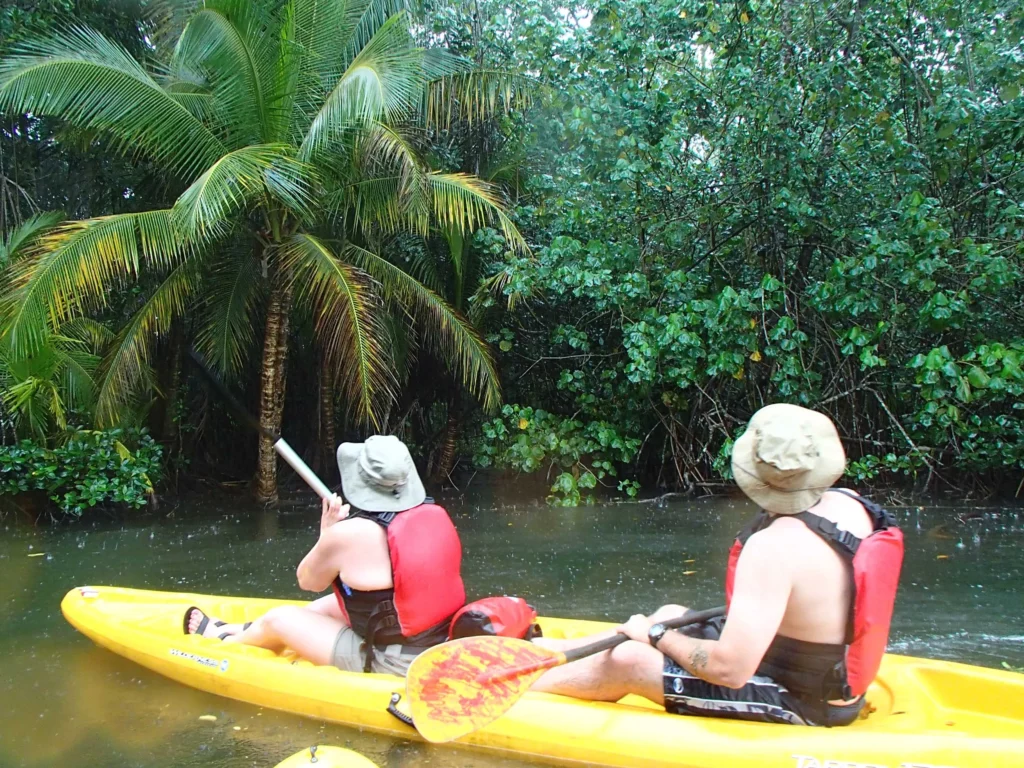
From Puerto Viejo, a coastal road links some of the finest beaches in the country. Playa Negra surprises with its dark, volcanic sand; Punta Uva is a string of turquoise coves ideal for swimming or kayaking among the mangroves; and further south, the Gandoca-Manzanillo Wildlife Refuge protects rainforest, reef and near-pristine beaches. It is an area to take slowly, one beach at a time.
Afro-Caribbean cuisine
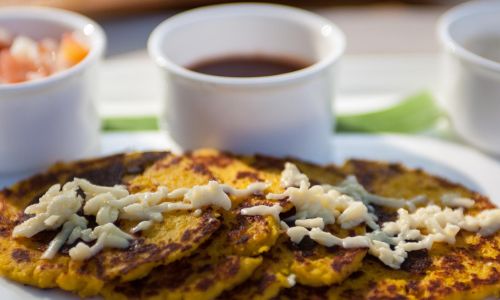
Eating on the Caribbean is an experience in itself, and quite different from the rest of the country. Afro-Caribbean cooking makes coconut milk its star ingredient: do not miss rice and beans cooked in coconut, Caribbean-style chicken, or a good rondon, a stew of fish, coconut and root vegetables that sums up the flavour of the region. The spiced, aromatic tastes tell the story of this coast all on their own.
Caribbean wildlife
The humidity and dense rainforest make the Caribbean a paradise for wildlife. Sloths are especially common here, so much so that the area is home to rescue centres devoted to them. Add howler and white-faced monkeys, colourful frogs, toucans and a huge variety of birds, and a walk along any trail becomes almost a guarantee of memorable encounters.

The Caribbean climate
The Caribbean has its own rainfall pattern, different from the Pacific, and this is key when planning. Curiously, some of its finest months, with the most sunshine, do not coincide with the dry season elsewhere in the country but tend to fall around September and October, just when the Pacific is at its wettest. That makes the Caribbean an invaluable wildcard depending on your dates. Ask us and we will tell you what to expect; our guide to planning and the 10-day itinerary will help too.
Getting there and how long to stay
The Caribbean asks for a little more time, because it deserves to be enjoyed slowly. Tortuguero is usually visited as a two-night escape (reached by boat after a road transfer, or by small plane). The southern Caribbean, Cahuita and Puerto Viejo, works beautifully as a relaxed two- or three-night extension, easy to combine with the rest of the country.
Is the Caribbean worth it?
Absolutely, especially if you value authenticity, nature and a gentler pace. It is not the quickest region to travel, but it rewards you with a different Costa Rica, culturally rich and full of life. Travel in the right months and it is a gem that few first-time visitors include and almost everyone remembers as a highlight.
Shall we discover the Caribbean together? Request your tailor-made itinerary at no obligation and we will weave it into your trip.