


The Caribbean Coast of Costa Rica
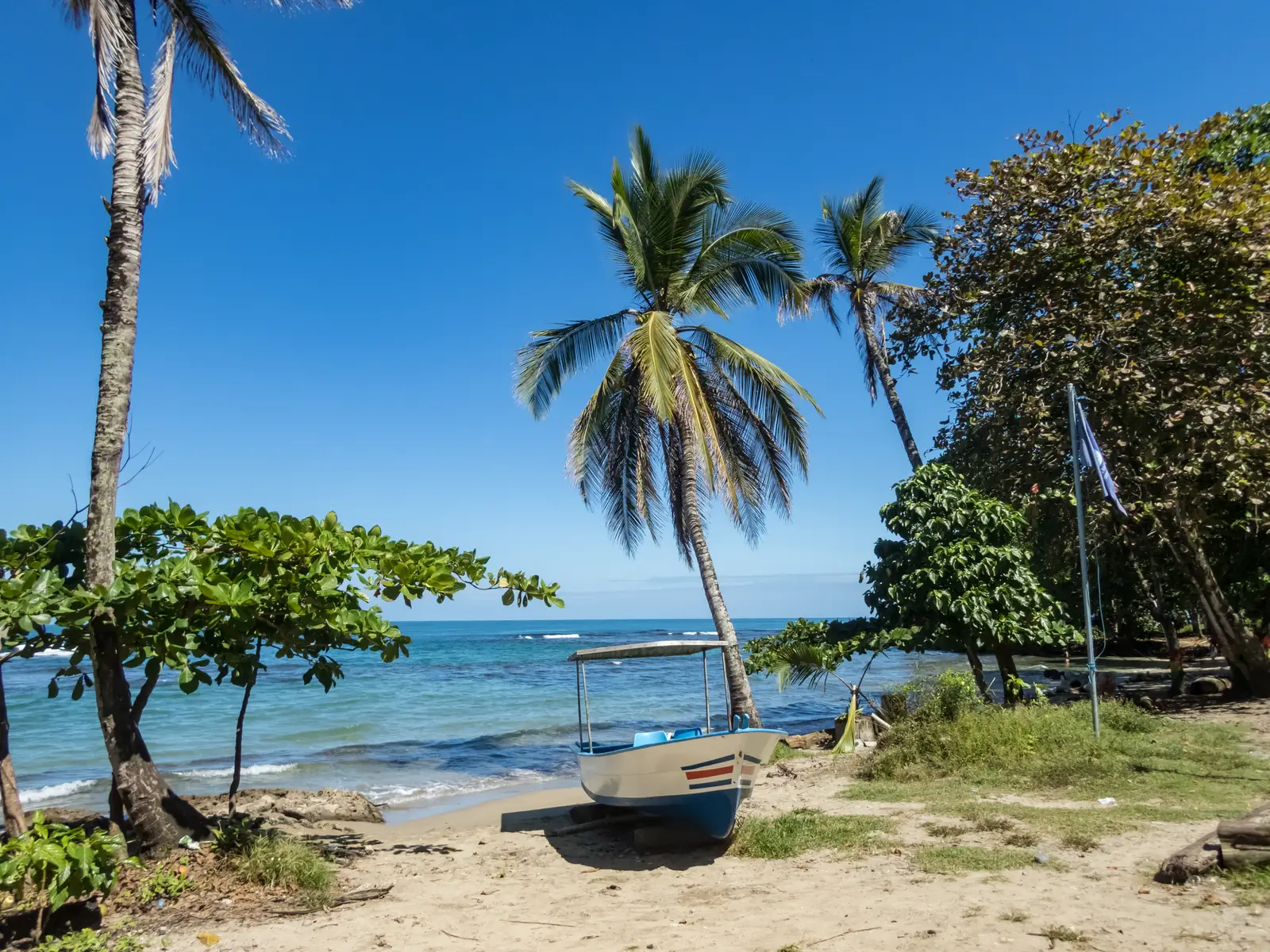
The Caribbean side looks, sounds and tastes different from the rest of Costa Rica.
The Caribbean coast is the part of Costa Rica most first-time visitors skip, and the part that repeat visitors keep going back to. It is greener, wetter, slower and culturally quite separate: Afro-Caribbean and Bribri rather than Spanish colonial, with its own food, its own music and its own English-based creole.
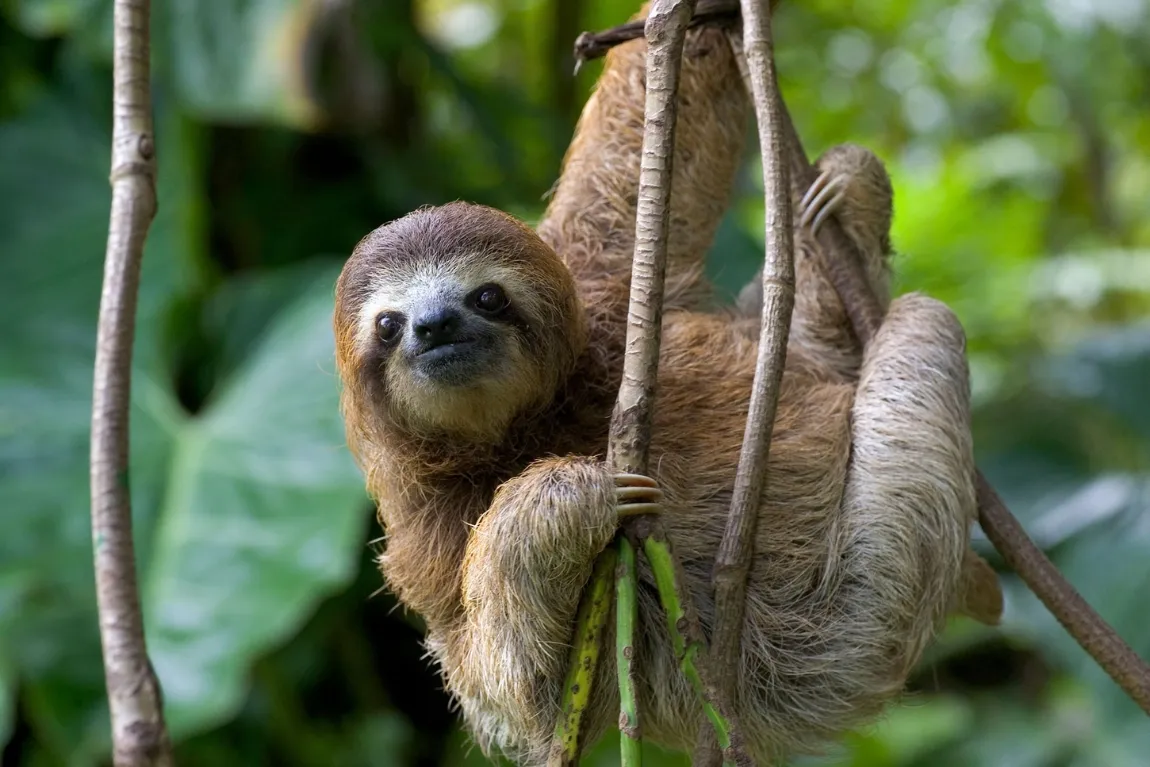
It splits in two. The north is Tortuguero: canals, rainforest and nesting turtles, reachable only by boat or small plane. The south is Puerto Viejo and Cahuita: coral, reggae, sloths and some of the best beaches in the country.
Be honest with yourself about rain. This coast has no real dry season – it rains here in every month, and the driest windows are September and October, which is precisely when the Pacific is at its wettest. That inversion is useful: if you are travelling in the autumn, the Caribbean is often where we send you.
The two halves
Tortuguero
A village on a sandbar between the canals and the sea, with no roads at all. You arrive by boat, you move by boat, and the wildlife comes to you. Green turtles nest here from July to October and it is one of the great wildlife spectacles anywhere.
Puerto Viejo and Cahuita
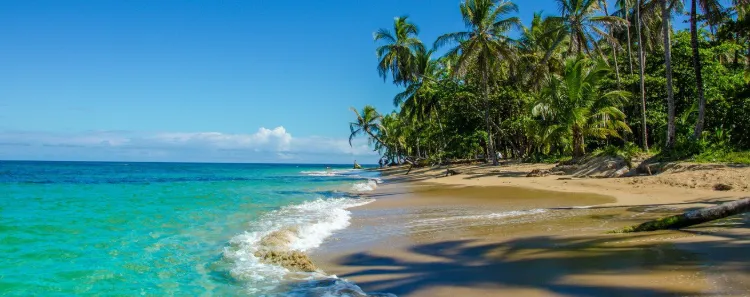
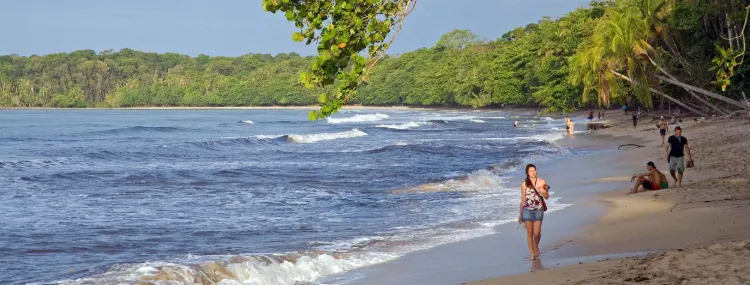
The south is where people go to do very little. Cahuita has the only living coral reef of any size on this coast, and a national park you walk through on a flat beachside trail. Puerto Viejo, half an hour further, is livelier: small hotels, good food, and beaches that get better the further south you ride your bicycle.
Culture and food
This is the one part of Costa Rica with a genuinely distinct kitchen. Rice and beans cooked in coconut milk, rondón soup, patacones, and jerk-spiced chicken. The Bribri and Cabécar territories inland run visits on their own terms, and they are among the more worthwhile cultural half-days in the country.

Where we put people
- Tortuga Lodge & Gardens, Tortuguero – on the water, reached only by boat, and the most comfortable base in the village by some distance.
- Manatús or Laguna Lodge, Tortuguero – the two other good options on the canals, both with guided boat trips included.
- Le Caméléon, Playa Cocles – the smart choice south of Puerto Viejo, small and quiet, a few minutes from the beach.
- Playa Nicuesa-style small lodges around Cahuita – simple, family-run, and the reason people come back.
Honestly, when to come
September and October are the driest and sunniest weeks on this coast, and the reason we often flip an autumn itinerary to the Caribbean.
Turtle nesting at Tortuguero runs July to October, with hatchlings into November. February to April is a second decent window weather-wise.
November to January is the wettest. It rains hard on this coast and roads can flood. It is not a write-off, but go in knowing it.
Practical notes
Getting there. Tortuguero is a four-hour drive plus a one-hour boat ride from San José, or a thirty-minute flight. Puerto Viejo is four to five hours by road. Neither is a day trip.
How many nights. Two at Tortuguero is the standard, which gives you a dawn boat trip and an evening turtle walk in season. Three or more in the south, because the point of the south is not rushing.
Mosquitoes and rain. Bring repellent and a light rain jacket for Tortuguero, and expect to be damp at some point. That is the deal.
Cash. Card acceptance is patchier here than on the Pacific. Take colones for the small places.
Trips that include the Caribbean coast
Fewer of our routes come over to this side, which is part of why it stays quiet. These three do, and they are honest about the travel time it takes to get here.
- Costa Rica Family Tour: Tortuguero, Arenal, Monteverde & Mal País — starts with two nights in Tortuguero and the boat trip in, which children tend to remember longer than anything else on the trip.
- From Jungle to Coast: A Family Adventure — three nights around Puerto Viejo and Cahuita early on, snorkelling and hiking in the national park.
- Costa Rica Romantic Escape: Tortuguero, Arenal & Tamarindo — Tortuguero first, then across to the Pacific. A good way to see both coasts without rushing.
Talk to someone who lives here
Tell us roughly when you want to travel and what the rest of your trip looks like, and we will tell you honestly how many nights the Caribbean is worth for you – and whether it belongs at the start or the end. There is no charge for a proposal.
Trips built around a theme: honeymoons · birdwatching · diving · tailor-made trips