Author: CRS Tours

Arenal Volcano & La Fortuna: A Complete Guide

If one place captures the spirit of Costa Rica, it is Arenal. Its near-perfect volcanic cone presides over a region where adventure and relaxation sit side by side: you can cross hanging bridges through the rainforest in the morning and unwind in natural hot springs at the foot of the volcano by evening. La Fortuna, the town that serves as your base, is welcoming, easy-going and well set up for visitors. Here is what makes Arenal an almost unmissable stop, and how to make the most of it.

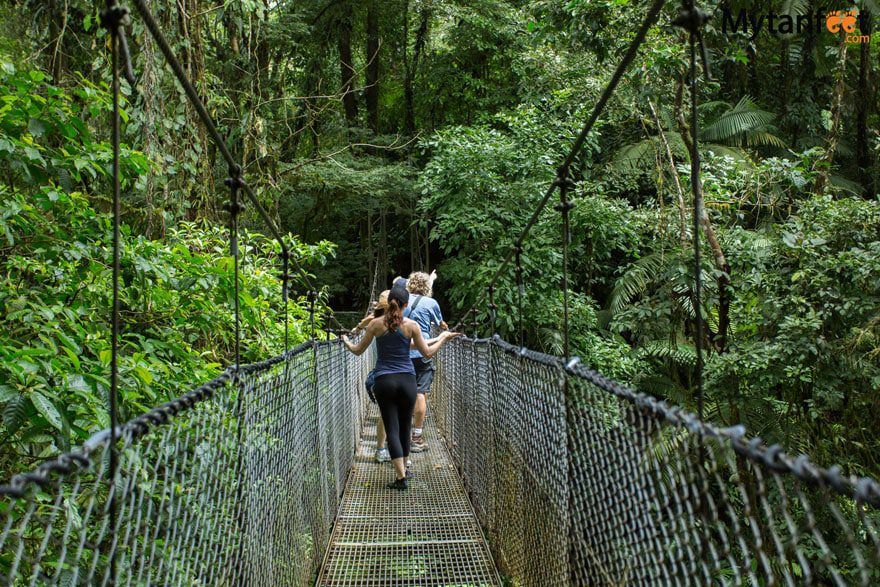
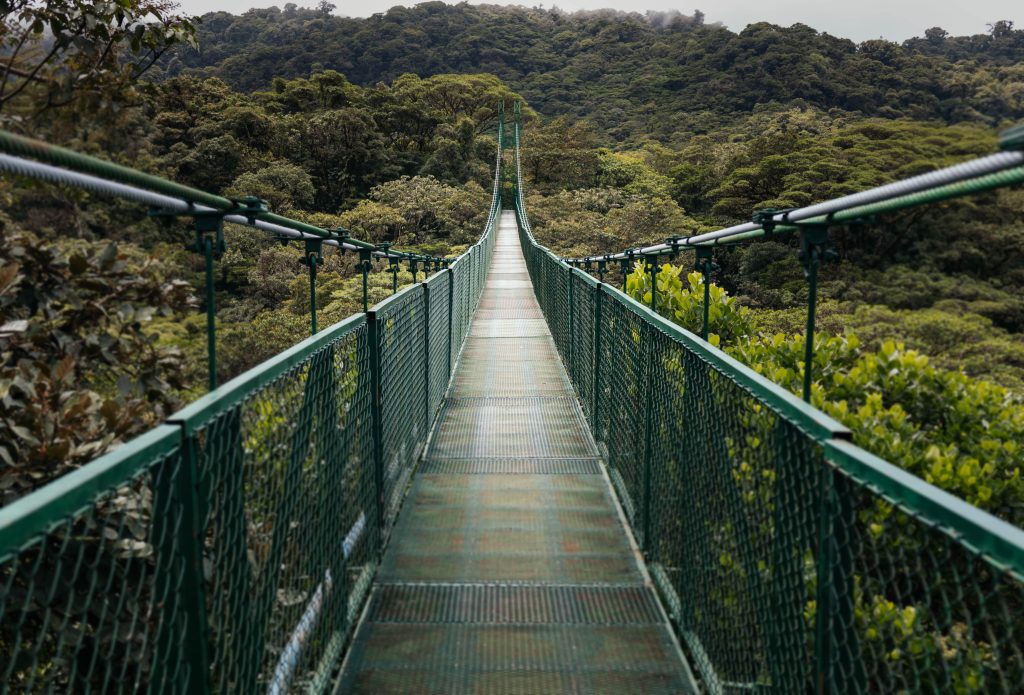
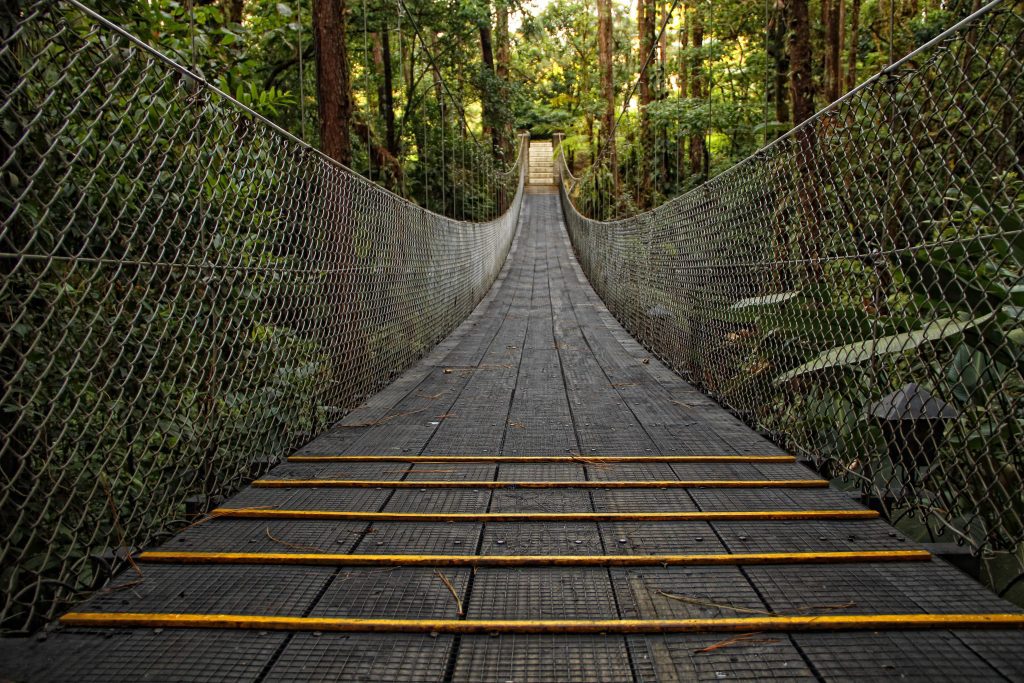
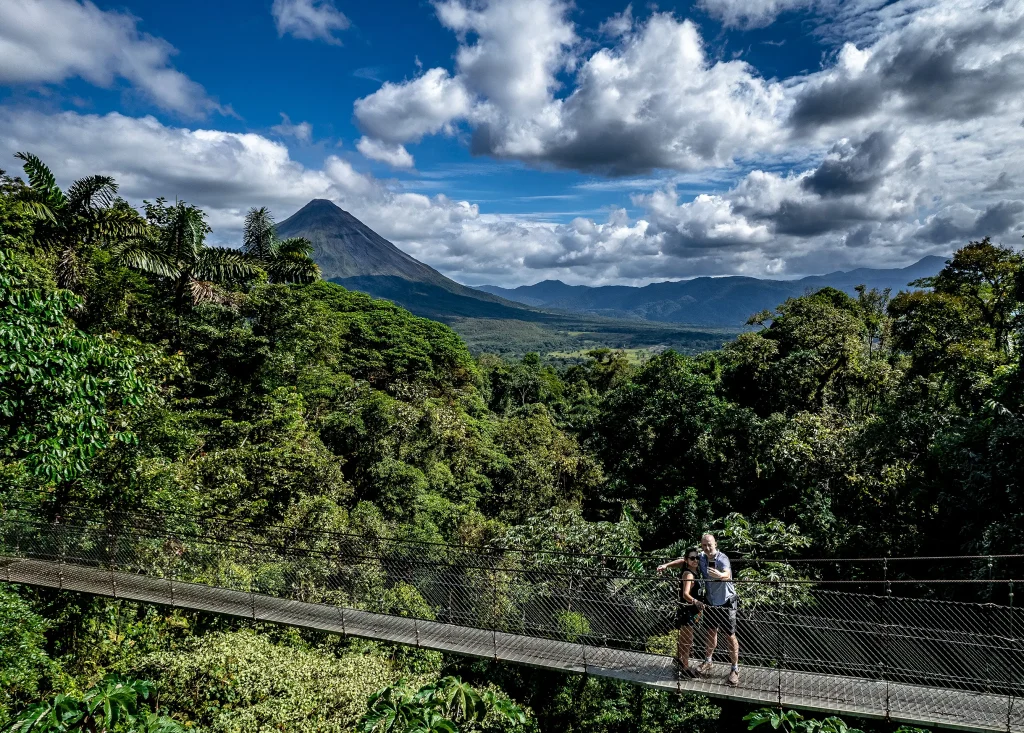
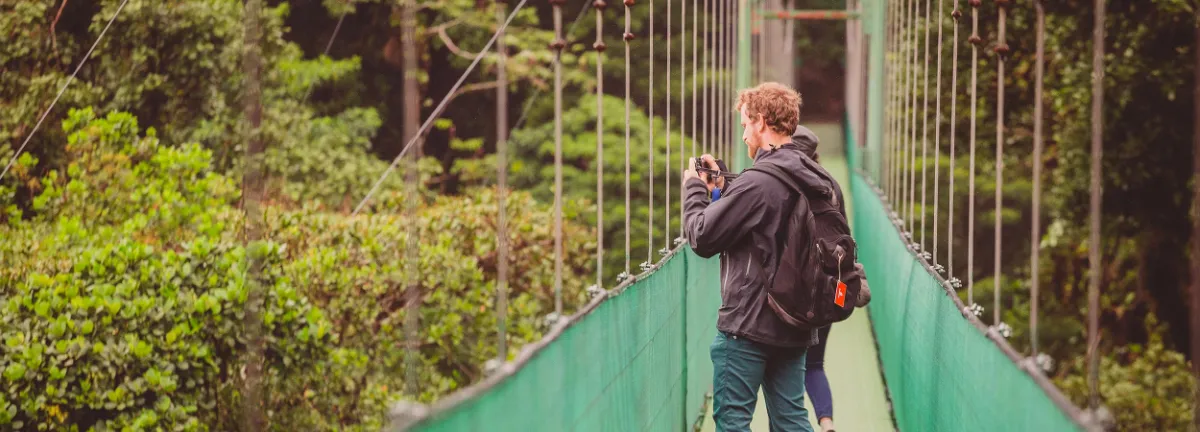
Hanging bridges in Arenal Volcano National Park

The volcano and its trails

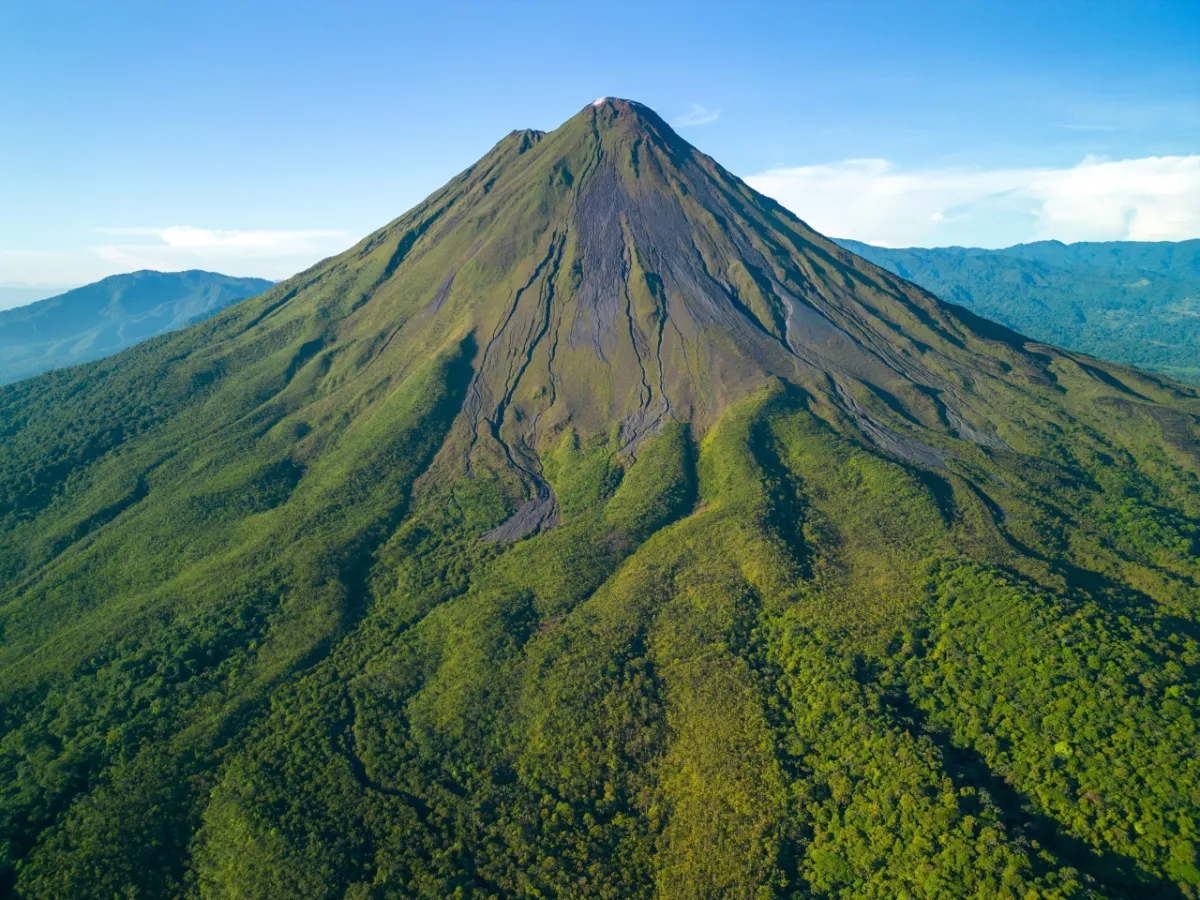
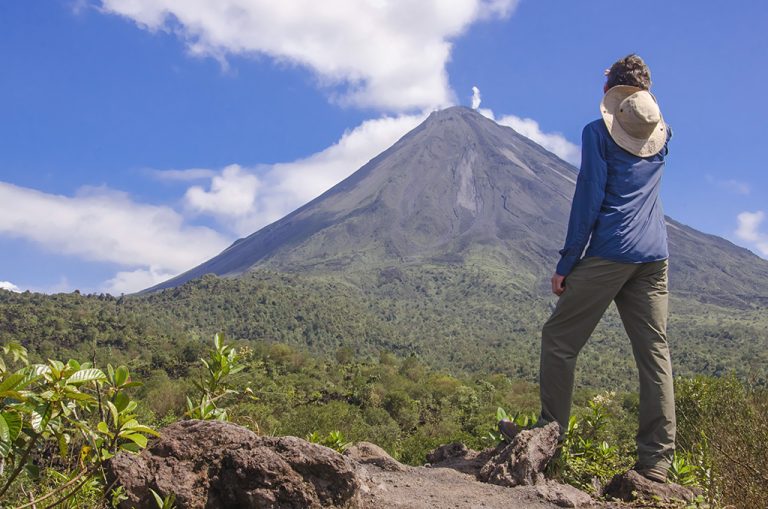
Arenal Volcano National Park offers trails that wind through old lava flows and tropical forest, with viewpoints towards the cone. These are accessible walks, suitable for all levels, and a naturalist guide makes all the difference: they will help you spot birds, frogs and perhaps a sloth tucked away in the canopy. Catching the volcano clear, its summit rising above the forest, is one of those sights you never forget.

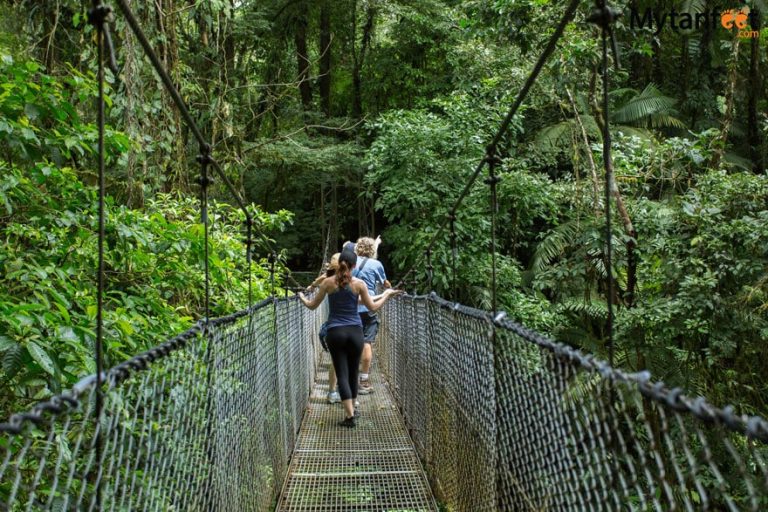
Trail and hanging bridge through the Arenal rainforest

Hanging bridges and canopy tours

One of the finest ways to experience the rainforest is from above. Hanging-bridge walks place you level with the treetops, with sweeping views of the forest and the volcano, and they suit almost every age. And for those after a little adrenaline, canopy (zip-line) circuits add a thrill without losing touch with nature.

Waterfalls and adventure

The area also hides spectacular waterfalls, such as the La Fortuna Waterfall, reached down a staircase through the forest for a refreshing dip in its pool. For the more active, there is white-water rafting on nearby rivers, horseback riding, mountain biking and gentle safari floats to watch wildlife. Arenal is, without doubt, the adventure capital of the country.

Hiking the trails of Arenal Volcano

Hot springs

The volcano’s heat feeds natural hot springs that range from landscaped resorts with pools, slides and gardens to simpler, wilder pools, some of them free. It is the perfect end to a day on the trails: few things are as restful as a warm soak with the murmur of the rainforest all around and, with luck, the volcano in the background.

Lake Arenal and around

At the foot of the volcano lies the country’s largest lake. Beyond its views, it is a useful link: the classic boat crossing to Monteverde traverses it, saving time and offering one of the loveliest landscapes on the route. The area is also known for its coffee and cacao farms, where you can learn about, and taste, the whole process.

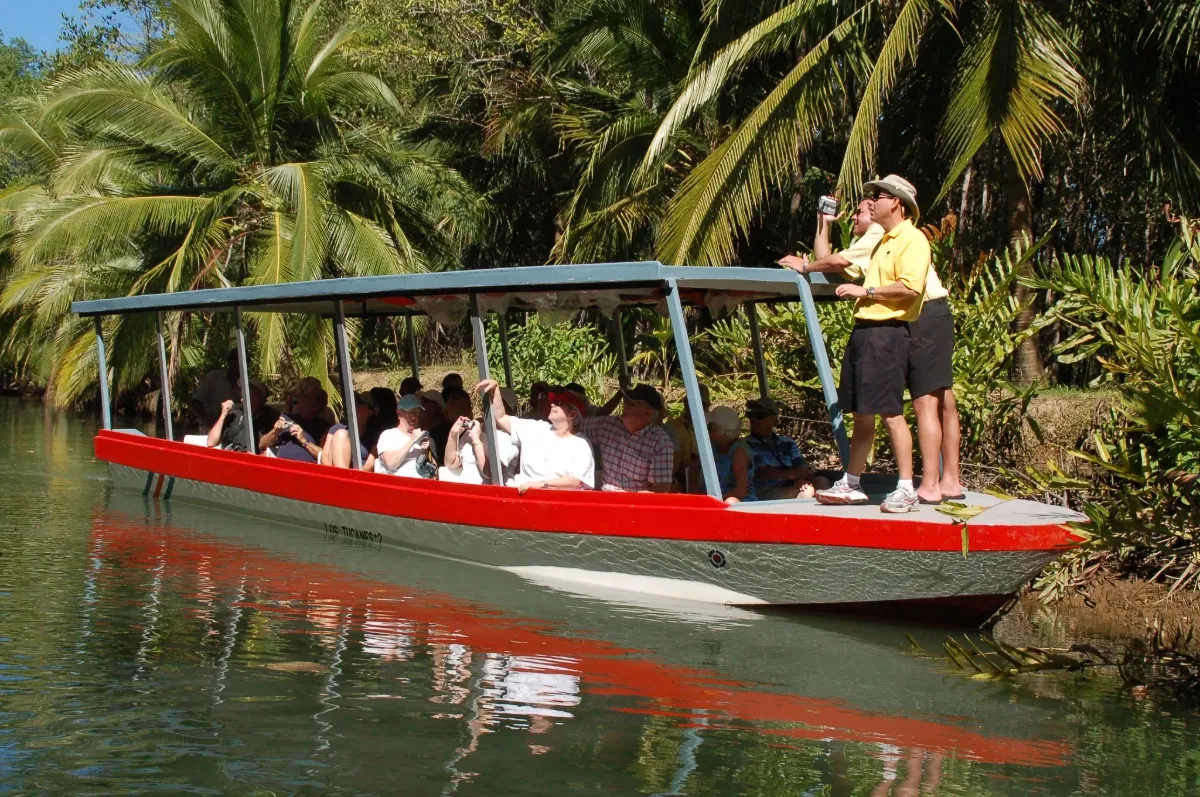
Boat crossing on Lake Arenal

How many days to spend

Two nights are usually enough to combine an adventure activity, an afternoon in the hot springs and a little free time. If you love nature and prefer an unhurried pace, an extra night is time well spent. Arenal fits beautifully near the start of almost any route; see how it slots into our 10-day Costa Rica itinerary.

Getting there

From San José, La Fortuna is a few hours away by road. Many travellers choose a private transfer to arrive relaxed and free of route-finding, and from here you can connect easily to Monteverde (often via the jeep-boat-jeep crossing) or the Pacific beaches.

Shall we include Arenal in your trip? Tell us your dates and interests and we will design it around you.

Costa Rica 10-Day Itinerary: A First-Timer’s Route

A first trip to Costa Rica usually comes down to one question: how do you fit volcanoes, cloud forest and the coast into the time you have without spending it all in the car? Ten days is the length we recommend most often, because it lets you enjoy three very different parts of the country at a comfortable pace. What follows is a sample route we plan variations of every week — not a fixed package, but a realistic starting point you can shape around your own interests.

Is ten days enough for Costa Rica?

For a first visit, comfortably yes. Ten days is long enough to combine two or three regions with a couple of nights in each, rather than the single rushed nights that make a holiday feel like one long drive. If you are still weighing up the length of your trip, our guide to how many days you need in Costa Rica talks through the trade-offs. For most first-timers, this is the sweet spot.

The route at a glance

This itinerary loops from San José up to the Arenal Volcano, across to the Monteverde cloud forest, and down to the central Pacific coast before returning to the airport. It balances adventure, wildlife and beach time while keeping the drives sensible. Here is how the ten days break down.

Days 1–2: Arrival and the Central Valley

Most international flights land in San José in the afternoon. Rather than start with a long drive while jet-lagged, we usually suggest a first night close to the city or up in the coffee hills of the Central Valley — a gentle landing after a travel day. The next morning you set off north, refreshed, towards Arenal.

Days 2–4: Arenal and La Fortuna

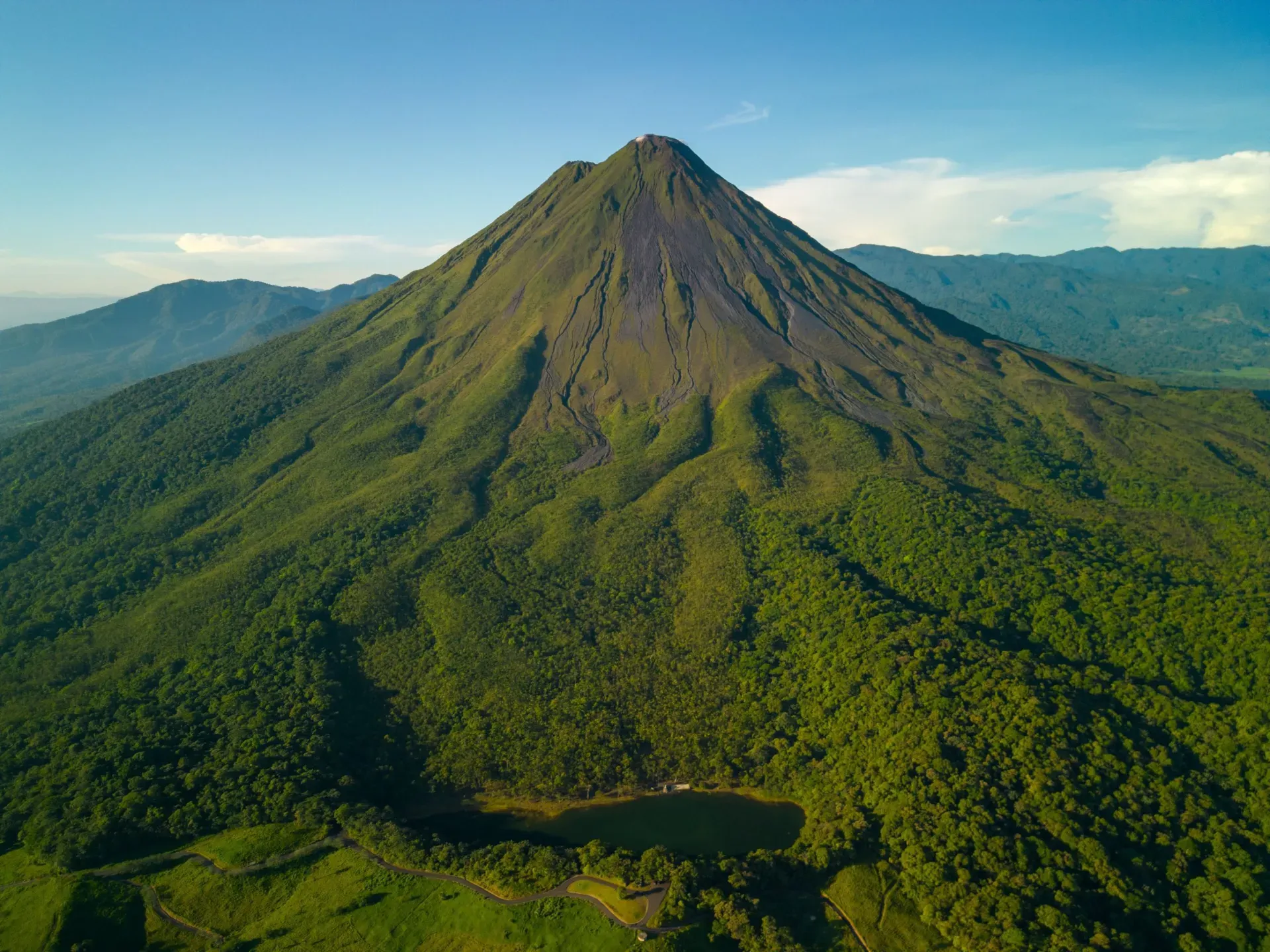
Arenal is the classic Costa Rica opener, and for good reason. The near-perfect volcanic cone looms over the little town of La Fortuna, and the area is packed with things to do: soaking in natural hot springs, walking the hanging bridges through the rainforest canopy, and visiting the thundering La Fortuna waterfall. Two nights here gives you a full day to explore without rushing, plus time simply to enjoy the setting.

Arenal Volcano rising above rainforest under a clear blue sky

Days 4–6: Monteverde Cloud Forest

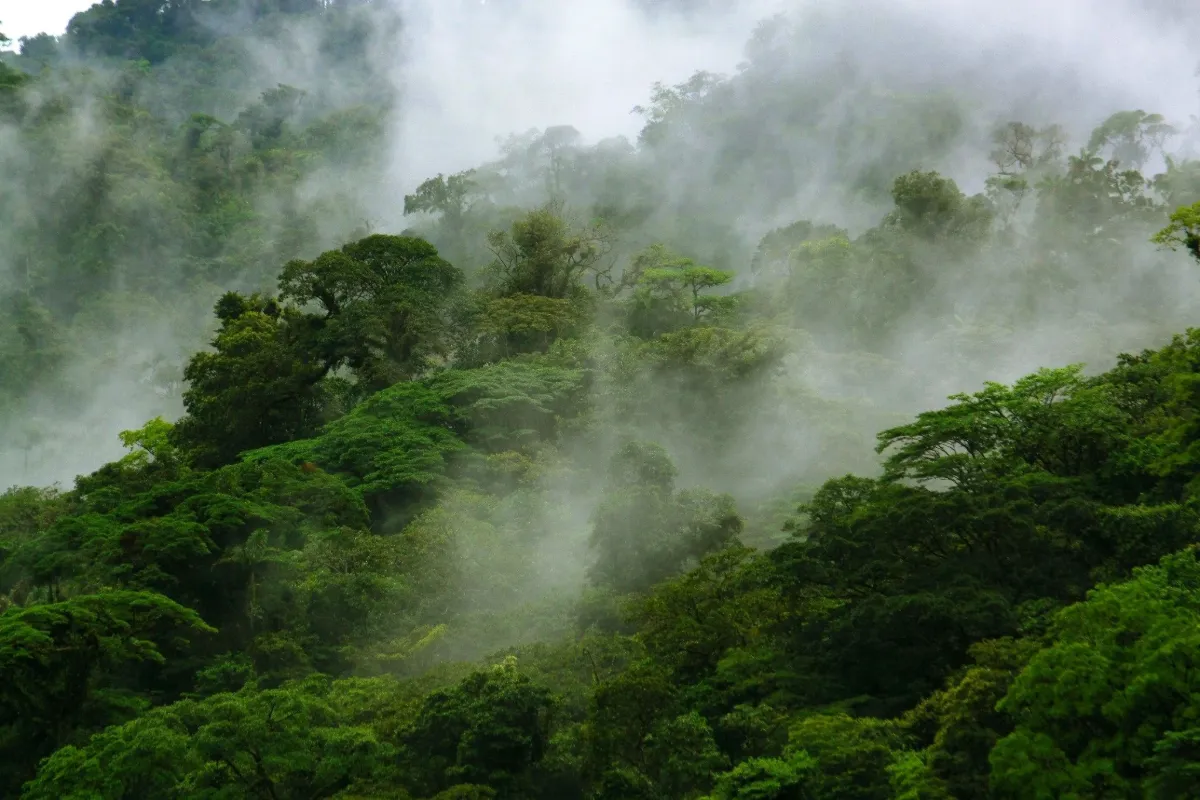
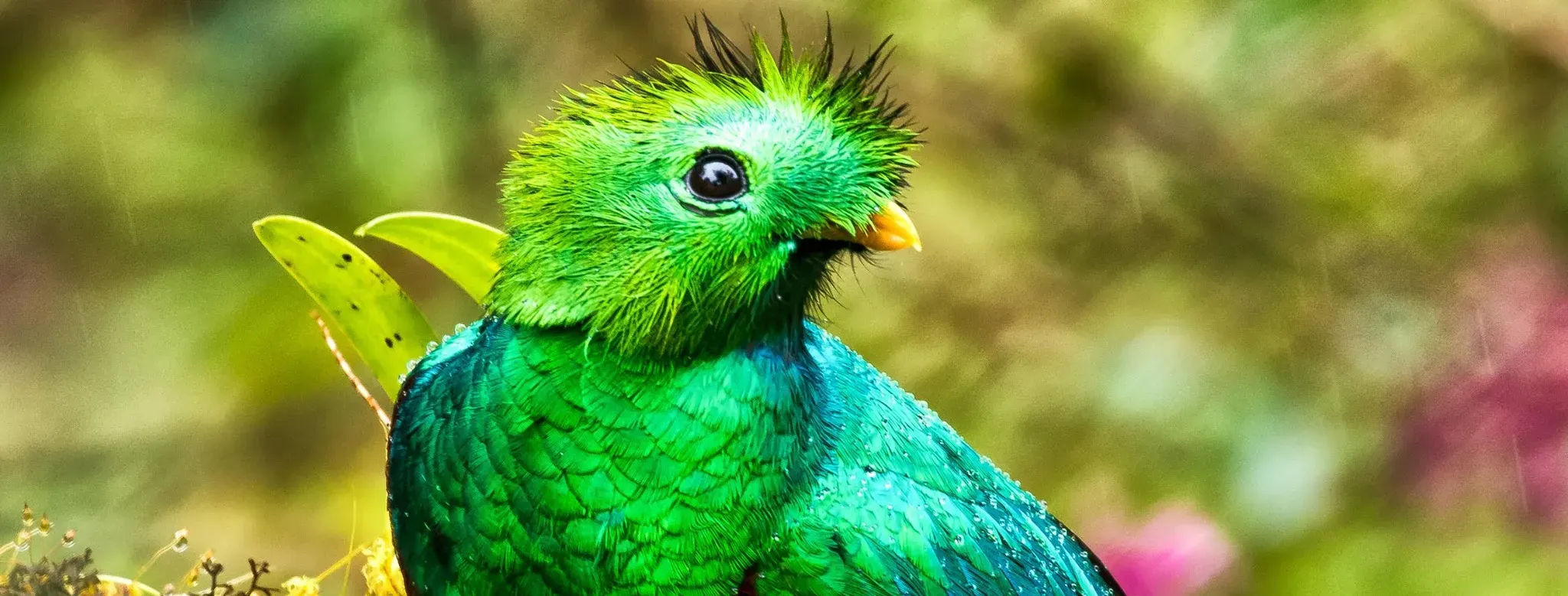
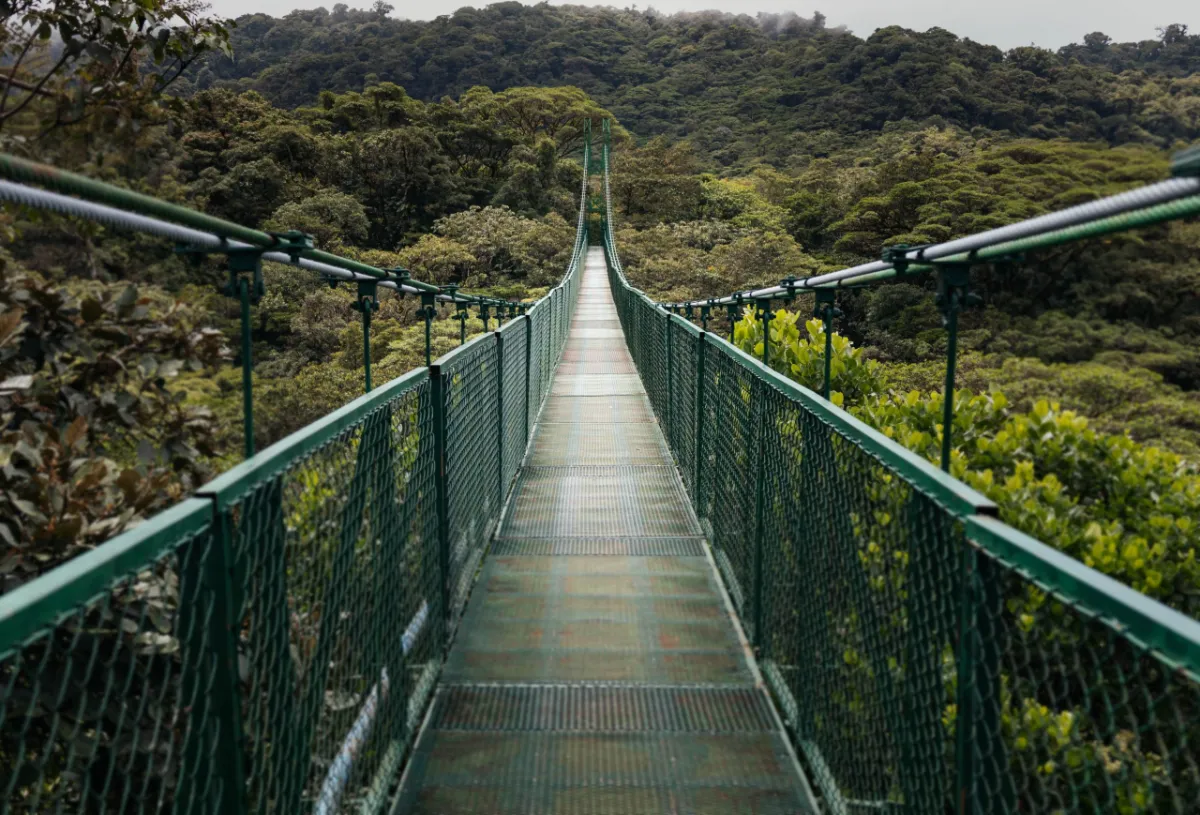
From Arenal it is a short hop across the lake and up into the mountains to Monteverde, a misty world that feels completely different from the lowlands. This is cloud forest — cooler, greener and alive with birdsong. You can walk suspended bridges high in the canopy, join a guided nature walk to spot wildlife you would otherwise miss, or head out after dark on a night walk. Keen birdwatchers come here hoping for a glimpse of the resplendent quetzal.

A canopy hanging bridge in the Monteverde cloud forest

Days 6–9: The Pacific Coast

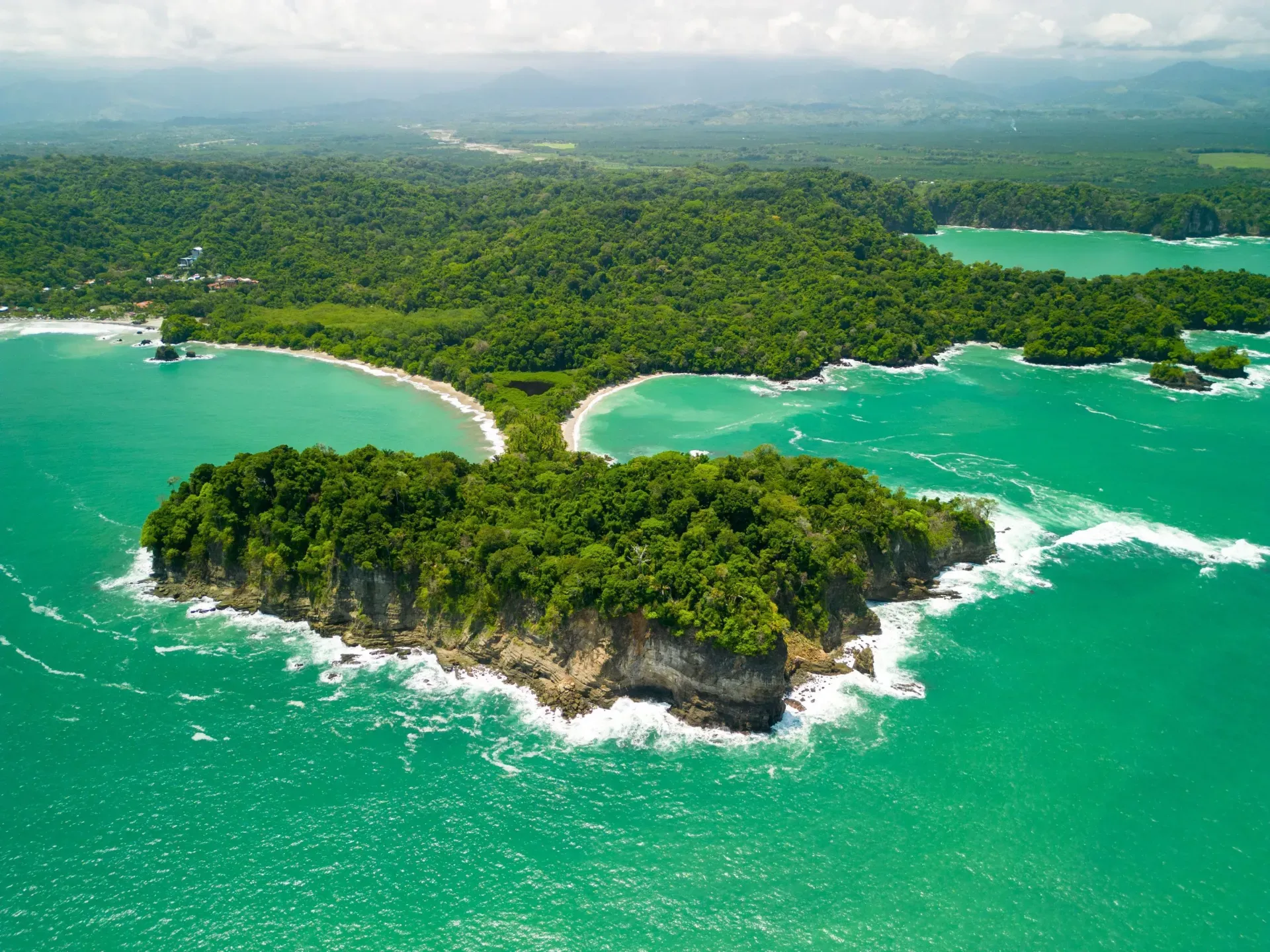
After the cool of the mountains, the coast is the reward. Manuel Antonio, on the central Pacific, is a favourite for a first trip: a compact national park where monkeys, sloths and iguanas live right beside some of the country’s prettiest beaches. Three nights lets you split your time between wildlife, the sand and simply slowing down. If beaches are your main draw, this stretch can just as easily be spent up in Guanacaste instead.

Day 10: Departure

On your final morning you travel back to San José for your flight home. If your departure is early, we often build in a last night nearer the airport so the journey is relaxed rather than a dawn dash.

Getting around this route

How you travel between these stops matters as much as the stops themselves. Some travellers love the freedom of a rental car; others would rather have private transfers handle the driving, especially on the mountain roads to Monteverde. There is no single right answer, and we go through it properly in our guide to private transfers versus a rental car in Costa Rica.

When to do this trip

This route works all year, but the season shapes the experience — drier and busier from December to April, greener and quieter (and better value) through the green season. Our month-by-month guide to the best time to visit will help you pick your window.

Make this itinerary your own

Think of this as a framework rather than a fixed plan. We might swap Manuel Antonio for a quieter beach, add the Caribbean coast if you have a couple more days, build in a coffee tour or a rafting morning, or slow the whole thing down for a family. Tell us what you would love to see and how you like to travel, and we will shape a ten-day route around you. You can start your tailor-made Costa Rica trip or get in touch with our team, and we will take it from there.

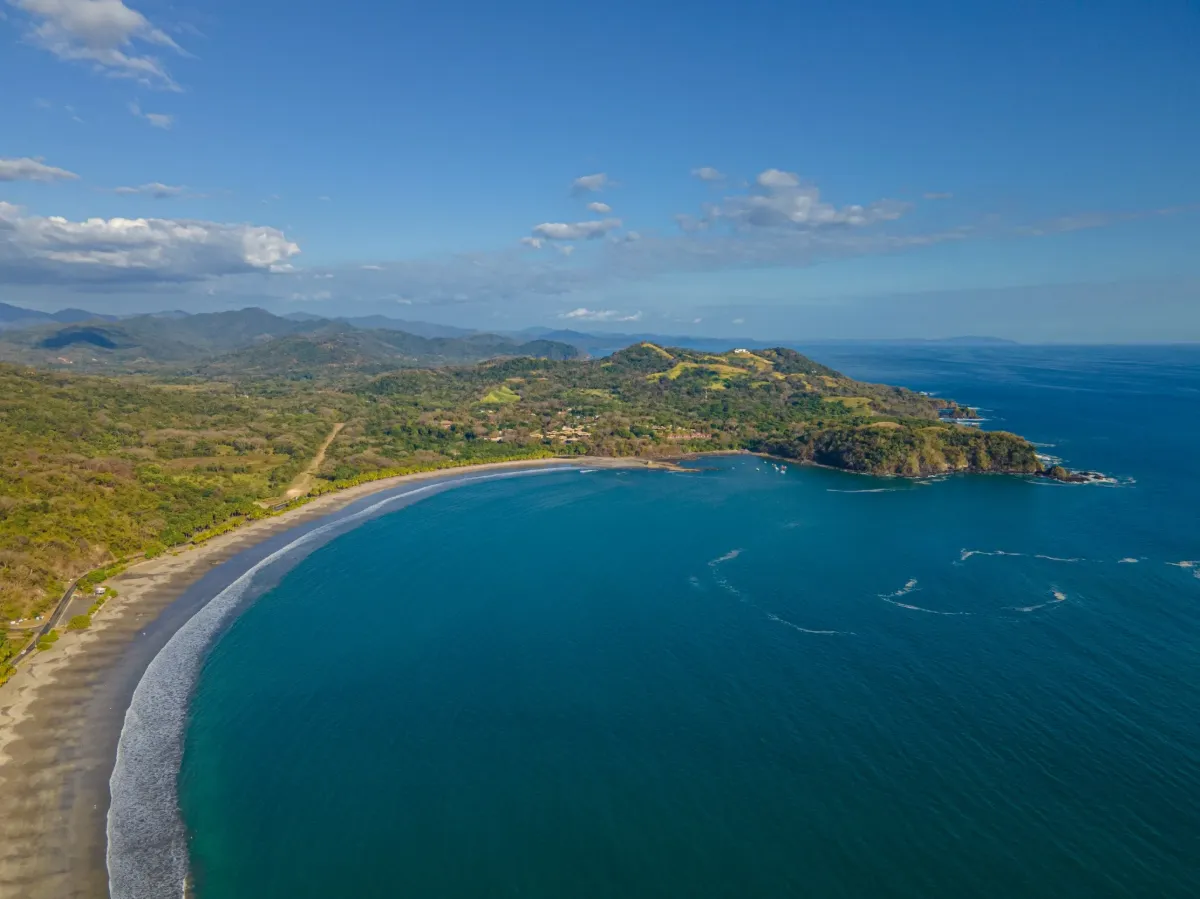
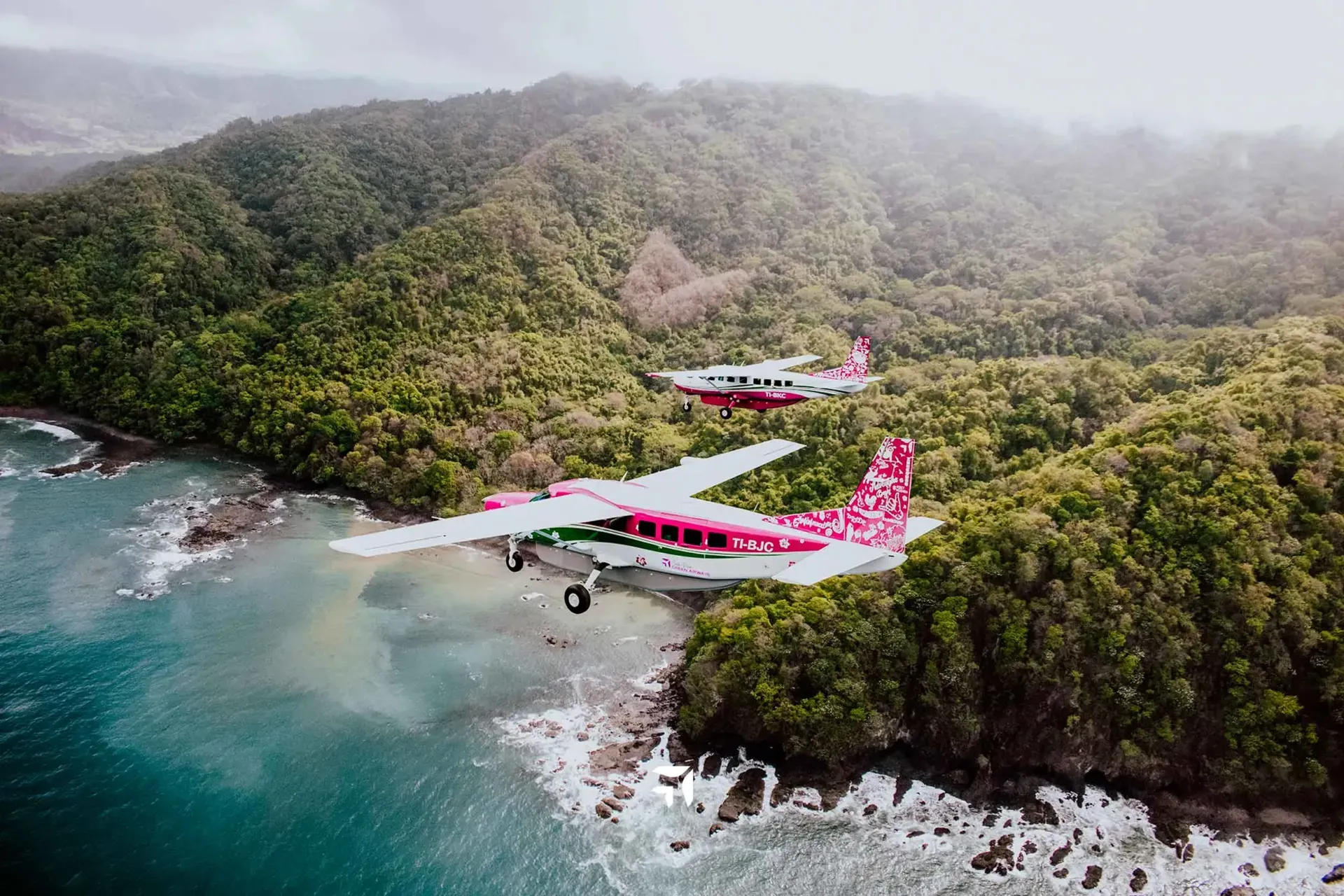
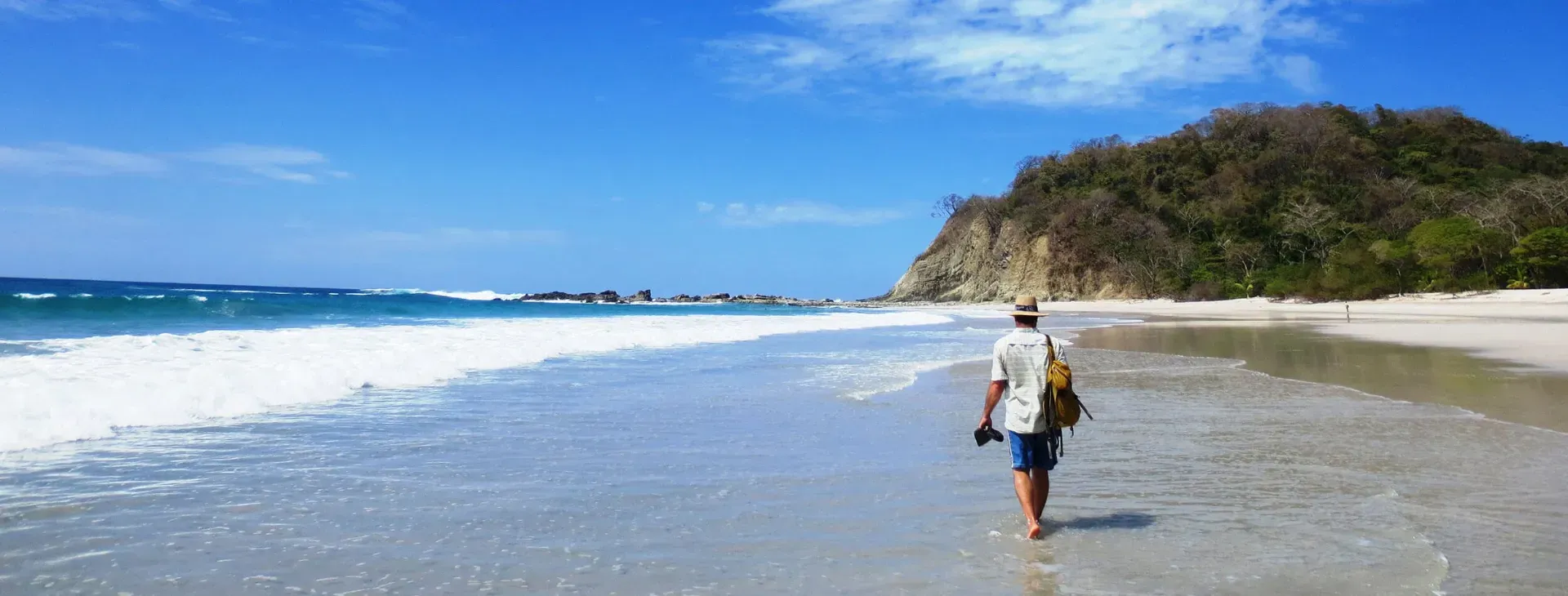
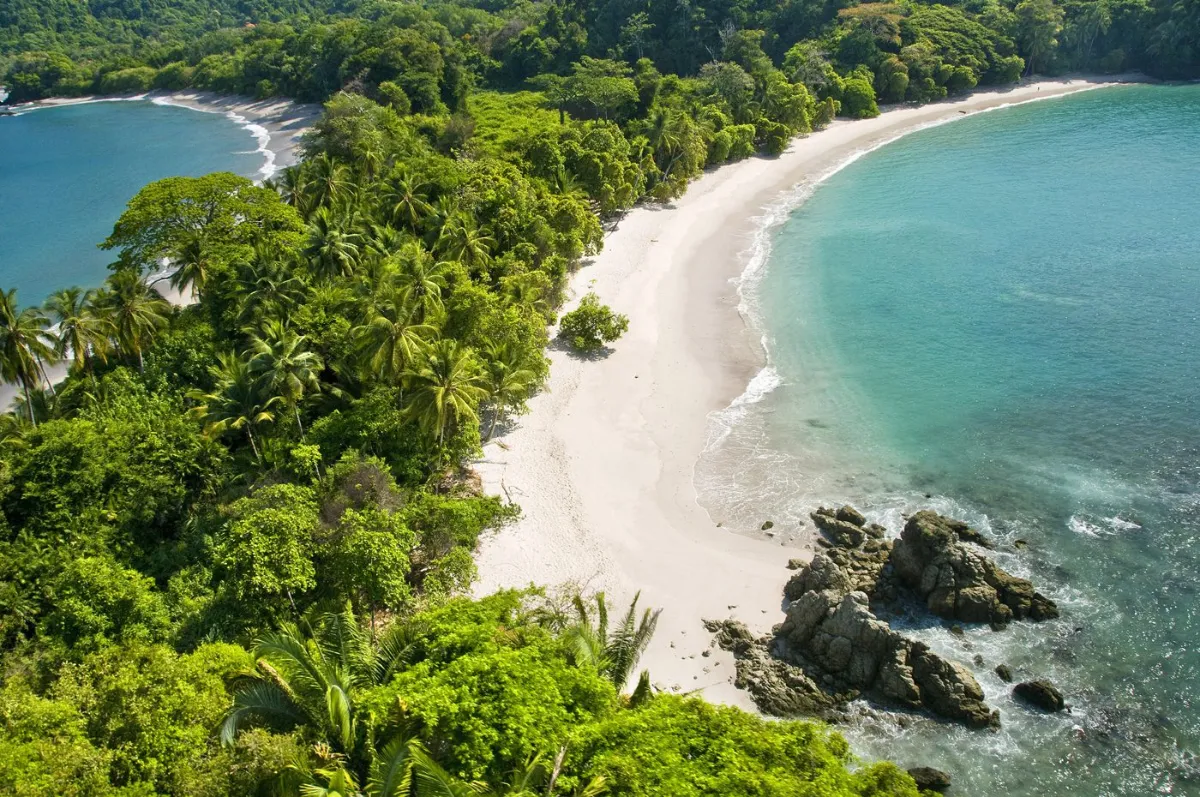
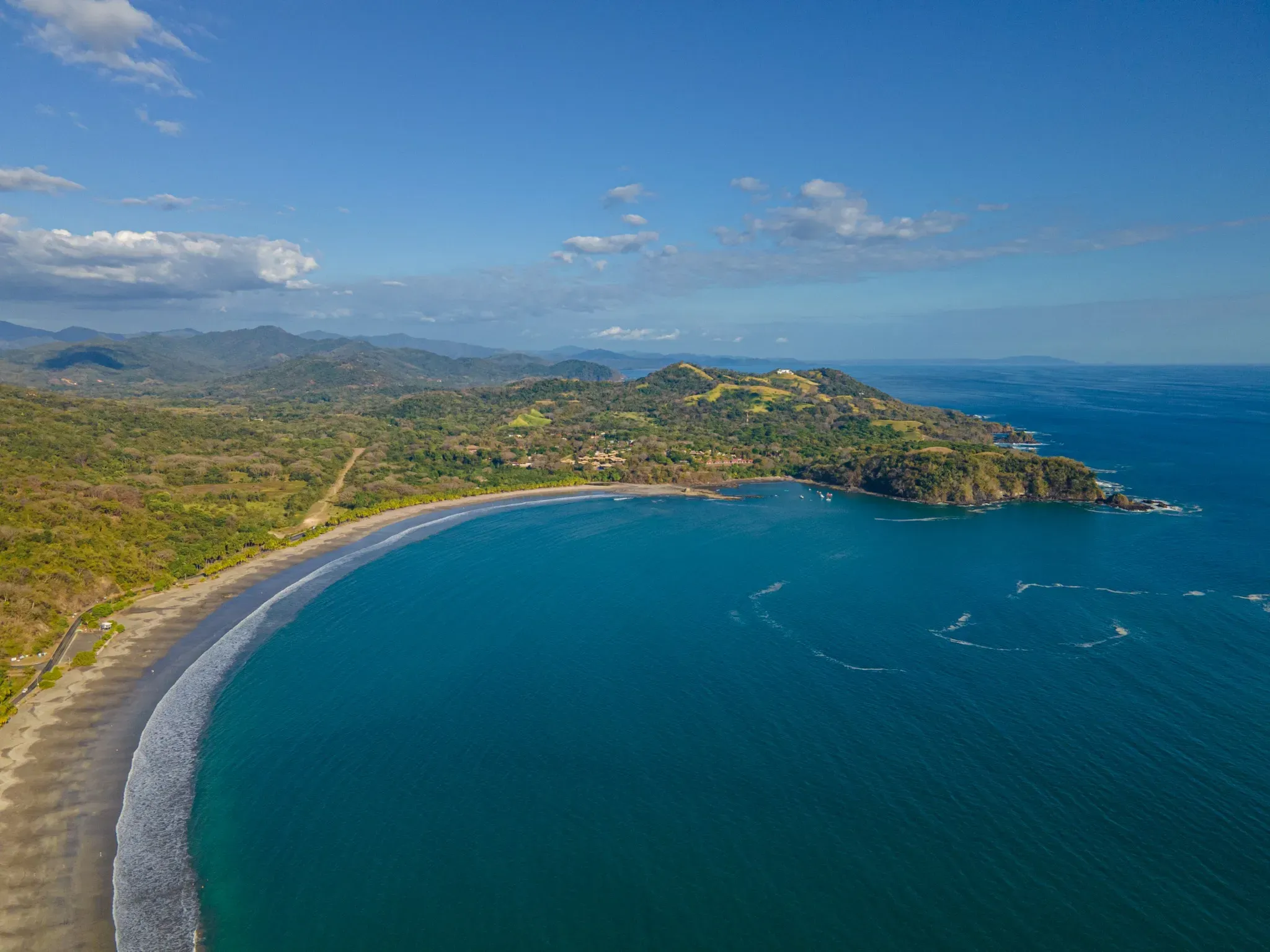
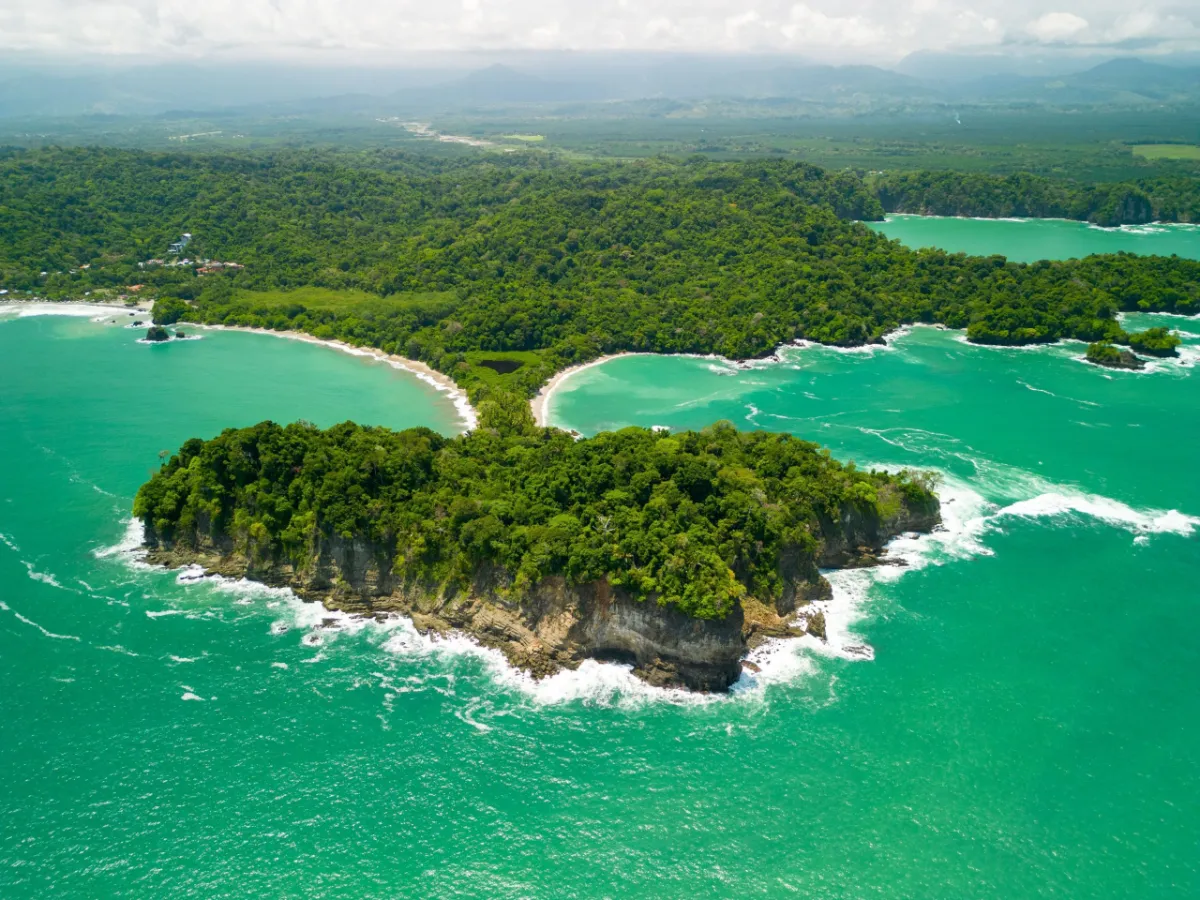
Discover the beauty of Costa Rica's coastline from above, with CRSTOURS, your expert travel agency.

Best Time to Visit Costa Rica: A Month-by-Month Guide

There is no single best time to visit Costa Rica — there is a best time for what you want. The country sits close to the equator, so the days stay a similar length all year and it never really has a cold season. What changes is the rain, and with it the crowds, the prices and which parts of the country are at their finest. Once you understand the rhythm of the two seasons, choosing your month becomes much easier.

The two seasons, briefly

Costa Ricans talk about the dry season and the green season rather than summer and winter. The dry season runs roughly from December to April and brings the reliable sunshine most people picture. The green season, from about May to November, brings afternoon rain, lush landscapes and far fewer visitors. Neither is “bad” — they simply suit different trips.

Dry season: December to April

This is the classic time to come. Mornings and afternoons are mostly sunny, the Pacific beaches are at their best, and the roads and trails are easy going. It is also the busiest and priciest stretch, especially from mid-December through the New Year and again around Easter, when Costa Ricans travel too. If you have your heart set on these dates, book well ahead — the best hotels fill months in advance. February and March tend to be gloriously dry and a little quieter than the festive peak.

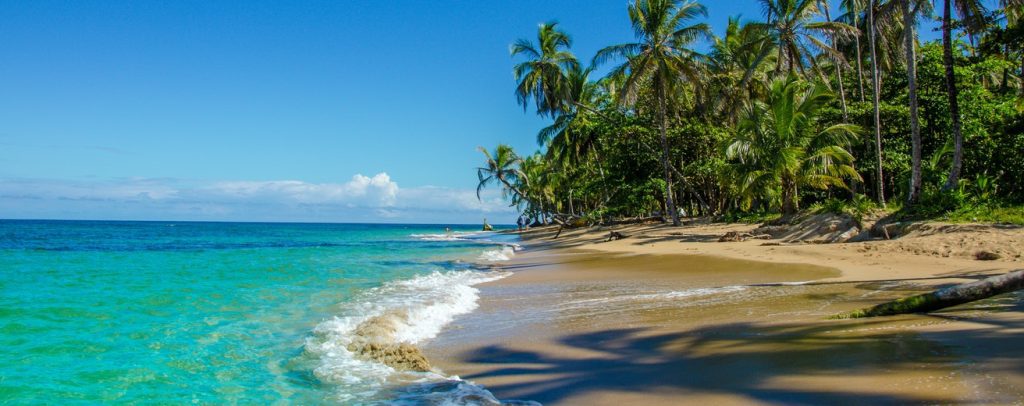
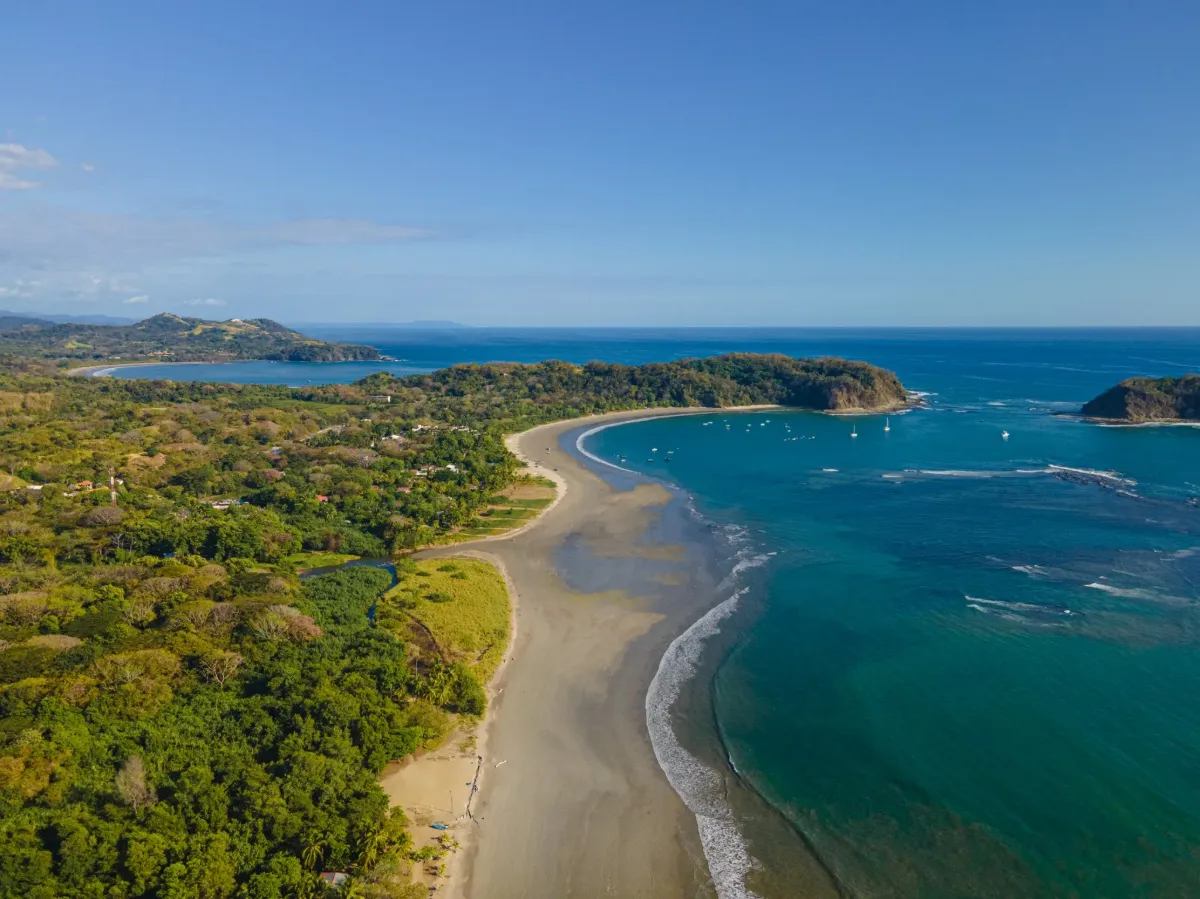
Sunny aerial view of a beach on the Costa Rica coast

Green season: May to November

Do not let the word “rainy” put you off. Through much of the green season the mornings are bright and the rain arrives as a warm afternoon downpour that clears as quickly as it came. In return you get a countryside that is impossibly green, waterfalls in full flow, noticeably lower prices and space to yourself at sights that are shoulder-to-shoulder in January. September and October are the wettest months on the Pacific side and the quietest of the year — wonderful value if you do not mind planning around the weather.

The Caribbean plays by its own rules

One quirk worth knowing: the Caribbean coast, around Puerto Viejo and Tortuguero, runs on a different calendar. It can see rain when the Pacific is dry, and — this is the useful part — it is often at its sunniest in September and October, exactly when the rest of the country is at its wettest. If you are travelling in those months and want reliable beach days, the Caribbean is our quiet tip.

Month by month

January and February are peak dry season: sunny, dependable and busy. March and April stay dry and grow hotter, with Easter the one week to book around. May and June open the green season with lush scenery, bright mornings and better value. July often brings a short dry spell locals call the veranillo, or “little summer”, and is a lovely month. August stays green and marks the start of the main whale-watching season on the south Pacific. September and October are the wettest and quietest on the Pacific — and the sunniest on the Caribbean. November is the turning point, with the rains easing and the landscape at its greenest just before high season returns. December begins dry and festive, becoming busy and pricey in the final fortnight.

The best time for wildlife

If a particular animal is the reason you are coming, timing matters. Green turtles nest at Tortuguero from around July to October. Humpback whales appear off the south Pacific in two windows — roughly December to early April, and again from July to early November, the bigger season. The resplendent quetzal is easiest to see during its breeding months, about February to July, in the cloud forests of Monteverde and San Gerardo de Dota. Birdwatching is rewarding year-round, with migratory species adding to the resident cast from around September to April. If wildlife is your priority, tell us which species — we will build the trip around the right season.

A scarlet macaw in flight in Costa Rica

Fewer crowds and better value

For the best balance of decent weather, thinner crowds and gentler prices, the shoulder months are hard to beat: May, June and late November sit either side of the wettest period and often deliver bright mornings without the high-season bustle. You will also find that trip length stretches further in the green season, since your budget simply goes further — worth bearing in mind when you decide how many days to spend here.

So when should you go?

The truthful answer is that the best time depends on your priorities — sunshine, wildlife, value or quiet — and often on which regions you want to combine. That is where we come in. Tell us your rough dates and what matters most to you, and we will tell you honestly what to expect and how to make the most of the season. You can start your tailor-made Costa Rica trip or get in touch and we will plan it around the right time of year for you.

How Many Days Do You Need in Costa Rica?

Ask ten people how long to spend in Costa Rica and you will get ten different answers. The honest one is that it depends on how you like to travel and how much of the country you want to see. That said, there are some sensible guidelines, and after arranging trips here for years we have a good sense of which lengths tend to work and which leave people wishing they had planned differently.

The short answer

For a first visit, ten days is the sweet spot. It is enough to combine two or three different areas — say a volcano, a cloud forest and a beach — without spending your whole holiday in the car. If you only have a week, you can still have a wonderful time; you simply need to be realistic and pick one or two regions rather than trying to see everything. With two weeks or more, you can genuinely slow down.

Why the map is a little misleading

Costa Rica looks small. On paper you might imagine crossing it in an afternoon. In practice the roads tell a different story: they wind through mountains, ease through towns, and a journey that looks like 120 kilometres can easily take four hours. It is part of the charm — the drives are lovely — but it means you should plan around travel time, not distance. It is also why we often talk through whether a self-drive or private transfers suit your route, something we compared in detail in our guide to transfers versus rental cars.

Five to seven days: one region, properly

A week suits people who would rather see one part of the country well than rush through several. A classic short trip pairs the Arenal Volcano area — hot springs, hanging bridges and waterfalls — with a few days on the Pacific coast. You get rainforest and beach without a punishing amount of driving. It is also a good length as a honeymoon add-on or a stopover on a wider trip.

A lush green island in turquoise water on the Costa Rica coast

Eight to ten days: the classic first trip

This is what most first-timers should aim for. Ten days lets you string together three contrasting experiences — for example Arenal for the volcano and adventure, Monteverde for the cloud forest, and Manuel Antonio or Guanacaste for the coast. You move at a comfortable pace, with a couple of nights in each place rather than a single rushed one. If we had to recommend a single length, this would be it.

Twelve to fourteen days: room to breathe

With a fortnight you stop counting days and start enjoying them. You can add a more remote corner — the Osa Peninsula and Corcovado for serious wildlife, or the Caribbean coast for a completely different culture and rhythm — and still not feel rushed. Two weeks works beautifully for families, who benefit from a gentler pace, and for anyone who wants a proper mix of activity and downtime.

Travellers crossing a hanging bridge in the Costa Rica rainforest

More than two weeks

If you are lucky enough to have three weeks or more, Costa Rica rewards it. You can combine the north, the south and the Caribbean, spend real time in the national parks, and leave space for the kind of unplanned days that often become the best part of a trip. Longer stays also lend themselves to slower, lower-impact travel — something we are always happy to encourage.

How to decide what is right for you

A few questions usually settle it. How far are you travelling to get here, and does a long flight justify a longer stay? Do you want to tick off the highlights or sink into one or two places? Are you travelling with children, who need a gentler rhythm? And what time of year are you coming — the season affects which regions are at their best, which we cover in our month-by-month guide to visiting Costa Rica. The right answer is the one that matches your pace, not someone else’s itinerary.

The mistakes we gently talk people out of

The most common one is trying to fit too much in. Five regions in ten days looks thorough on a spreadsheet and feels exhausting in real life. The second is underestimating transfer times, so half the holiday disappears into the car. The third is leaving no margin at all — no free afternoons, no room for a spontaneous day. A good itinerary needs to breathe.

Let us build it around you

There is no single correct answer to how long you need — only the right length for your trip. That is exactly what we do: we take your dates, your interests and your pace, and shape an itinerary that fits. Tell us roughly how long you have, and we will tell you honestly what is realistic and what we would prioritise. You can start your tailor-made Costa Rica trip or simply get in touch, and we will take it from there.

Private Transfers or Rental Car in Costa Rica?

Choosing between a rental car and private transfers is one of the first practical decisions when planning a Costa Rica trip — and there is no single right answer. A rental car gives you independence; private transfers take the driving off your hands. Which suits you depends on your route, who is travelling, how confident you are on unfamiliar roads, your arrival time and your budget.

At CRS Tours we arrange tailor-made Costa Rica holidays using self-drive, private transfers and combinations of the two every week. Our advice is based on the whole itinerary rather than a general preference, because the same traveller can be better off driving on one trip and being driven on another.

When a rental car gives you genuine freedom

A rental car suits travellers who like to set their own pace: leave when you are ready, stop for lunch along the way, and reach places that shared transport does not serve. It works best where hotels, restaurants and activities are spread out.

Guanacaste and the Nicoya Peninsula are a good example. Around beach bases such as Tamarindo or Nosara, the hotels, beaches and restaurants are spread out and the roads are manageable, so a rental car genuinely adds to the stay. We are more likely to suggest self-drive when the route is logical, you are comfortable on unfamiliar roads, and your arrival schedule leaves time to collect the car without rushing. In practice a car earns its keep when you want the freedom to stop along the way and change plans on a whim, when you are heading to smaller towns and less-visited corners that shared transport ignores, and when the numbers add up — for couples, families and small groups it is often good value, provided you weigh in insurance, fuel and any one-way charges rather than just the headline daily rate.

What to weigh up before you drive

Driving in Costa Rica is not the same as driving at home. Main roads are often straightforward, but secondary routes can be narrow, steep or uneven, and travel times are frequently longer than the distance on a map suggests. Rain, roadworks and slow traffic all play a part, and navigation apps do not always know whether a suggested shortcut suits a visitor or the vehicle you are in.

Two situations deserve particular caution. We generally advise against a long drive straight after an overnight flight — arriving tired, collecting a car and then navigating an unfamiliar route is a poor start, and an airport-area hotel or a first private transfer is usually the better decision. And where possible, avoid night driving on rural or mountain roads: the difficulty is not that it is impossible, but that pedestrians, cyclists, animals, road edges and rain are all harder to see after dark.

For example, when travellers ask about self-driving from San José to Monteverde and on to the Osa Peninsula, we usually advise against it. The mountain roads and long distances make it a tiring drive, so we tend to suggest private transfers with a domestic flight down to Drake Bay instead. You will find more practical guidance on our Costa Rica travel information page.

When private transfers are worth the cost

Private transfers suit travellers who would rather have the journey handled. A driver meets you, helps with the luggage and takes you directly to your next hotel. That is usually the more comfortable choice after a long flight, on complicated routes, or when the group includes older travellers, young children or anyone with limited mobility — and simply when nobody wants the responsibility of driving.

A transfer does not give the spontaneous freedom of a car, but it removes parking, navigation, vehicle collection, deposits and insurance from the holiday. They tend to make the most sense on arrival days, when you would rather ease into the trip than wrestle with an unfamiliar road; on direct, hotel-to-hotel legs where navigation is just a chore; and on routes to remote lodges or boat connections, where a hire car would sit in a car park adding little. They also suit anyone who would rather not keep handling a vehicle and luggage over and over.

Are private transfers always more expensive?

Not necessarily. For one or two people a rental car can look cheaper at first, but a fair comparison includes insurance, fuel, parking, any tolls, and one-way or delivery charges. For a family or small group, a single private vehicle can compare well with hiring a larger car — though on a long itinerary where the car is used every day, the opposite can be true. The right comparison is the total cost of each option across the whole route, not the daily rental rate against a single transfer price.

The limits of shared shuttles

Shared transfers are a useful middle option on popular routes: cheaper than a private transfer and with no driving. The trade-offs are that they run at fixed times, often collect from several hotels along the way, and are less practical for remote properties. They can work well between well-connected destinations, but they suit some itineraries far better than others.

Arenal Volcano under a bright blue sky in Costa Rica

Combining transport on one trip

Many of the trips we plan use more than one method. A typical mix looks like this: private transfers for the arrival day and the Arenal-to-Monteverde leg, then a rental vehicle for the final week along the Pacific coast, returned at the airport. That gives an easy start and independence where it is genuinely useful.

What we ask before recommending transport

Before we suggest a rental car, transfers or a mix, we look at the whole picture: your flight arrival and departure times, and how much daylight is left on transfer days; the route itself, including road type, mountain sections, ferries and boat connections; who is travelling, from driving confidence to ages, mobility and group size; how much luggage there is and how often it would need loading and unloading; whether any destination calls for a 4×4 or special access; and your budget across the whole trip rather than any single day.

Common mistakes to avoid

The pitfalls we see most often are choosing a car purely because the advertised daily price looks low, scheduling a long drive straight after an overnight flight, and assuming the roads and travel times will match those at home. We also see people keep a hire car in places where it never leaves the car park, book shared transfers without checking collection times and hotel access, or build the whole transport plan around saving money in a way that leaves the itinerary tiring.

Our recommendation

Choose a rental car when you genuinely want independence and are comfortable driving. Choose private transfers when comfort, simplicity and a relaxed travel day matter more than spontaneous stops. And do not decide before the route is clear — the same traveller may be better off driving one itinerary and being driven on another.

A good Costa Rica itinerary is not just a list of hotels and excursions. The transport between them decides how comfortable and realistic the trip actually feels — worth bearing in mind as you work out how many days to spend here.

Plan the transport around your trip

Tell us your travel dates, preferred destinations, group size, driving experience and approximate budget, and our local team will advise whether a rental car, private transfers or a combination will suit you best. Request a tailor-made itinerary or get in touch with our team.

Culinary Trip to Costa Rica – Gourmet Travel with CRS Tours

Costa Rica for Foodies: A Unique Culinary Adventure

Costa Rica is much more than pristine beaches and lush tropical forests. For food lovers, this small country offers an incredible array of culinary experiences reflecting its rich culture and biodiversity. From the Pacific to the Caribbean, each region promises authentic flavors and unforgettable dishes. Whether you’re seeking a gourmet travel experience or an immersive Costa Rica food travel journey, this guide is for you.

Discover Authentic Flavors in Each Region

Central Valley and San José: Begin your culinary journey in the heart of the country, San José. Visit traditional markets like Mercado Central or Feria Verde de Aranjuez, where you’ll find exotic fruits, artisanal cheeses, and freshly brewed gourmet coffee. Neighborhoods such as Escalante offer contemporary restaurants and specialty cafés highlighting local, seasonal ingredients. Must-visit restaurants: Al Mercat, Silvestre, Sikwa.

Northern Pacific (Guanacaste): This region boasts flavorful Creole cuisine and traditional recipes. Try fresh seafood soup, handmade Chorotega-style tortillas, slow-cooked meats, and locally produced cheeses. Beaches like Tamarindo or Nosara host restaurants blending tradition with modern techniques. This area is ideal for a Costa Rica food travel itinerary. Recommended restaurants: Pangas Beach Club, La Luna (Nosara).

Central and South Pacific: Known for fresh seafood and tropical dishes featuring coconut. In Manuel Antonio or Quepos, don’t miss fresh ceviche or shrimp rice. Further south in Dominical and Uvita, sustainable and mindful cooking offers delicious organic dishes brimming with local flavor. Tropical fish like mahi-mahi and red snapper are often featured. Top restaurants: Emilio’s Café, Arbol (Manuel Antonio), Exótica (Ojochal).

Northern Zone and Arenal Volcano: The fertile volcanic lands produce fresh, delicious ingredients. Explore eco-friendly farms in La Fortuna, artisan chocolates, and homemade cheeses. A must-visit for coffee, cocoa, and artisanal dairy lovers. Restaurants to visit: Don Rufino, Chifa La Familia Feliz.

Caribbean Coast: The cuisine here features distinct Afro-Caribbean influences. Taste the famous rice and beans with Caribbean-style chicken sauce, fish rondón, spicy meat-filled patties (patí), and exotic fruit juices such as guanábana and passion fruit. You’ll also find unique tropical fruits like mamón chino, starfruit, and breadfruit. Recommended restaurants: Koki Beach, Stashu’s Con Fusion.

Must-Try Local Drinks

  • Specialty Coffee: Enjoy award-winning coffees from regions like Tarrazú and Naranjo.
  • Traditional Drinks: Savor agua dulce, horchata, or the popular chiliguaro.
  • Craft Beer and Local Cocktails: Discover innovative breweries and cocktail bars utilizing fresh local produce.

Trendsetting Chefs

Experience local culinary innovation at restaurants led by renowned chefs:

  • José González (Al Mercat)
  • Pablo Bonilla (Sikwa)
  • Santiago Fernández (Silvestre)

Authentic Indigenous Flavors

Explore Costa Rica’s indigenous culinary heritage, such as Bribrí and Chorotega traditions, featuring ingredients like pejibaye (peach palm), native corn, and ceremonial cacao.

Unique Culinary Experiences

  • Traditional Cooking Classes: Learn firsthand from local cooks.
  • Coffee and Chocolate Tours: Trace beans from the farm to your cup.
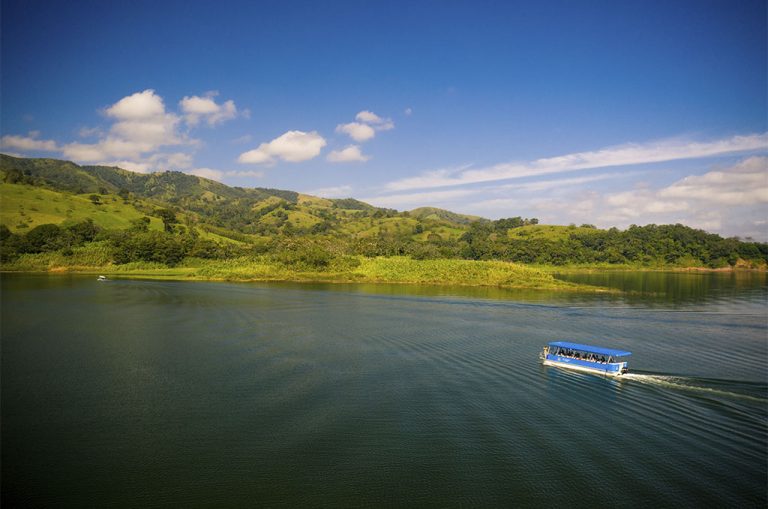
  • Farm-to-Table Restaurants: Enjoy menus made from ingredients harvested near the restaurant.
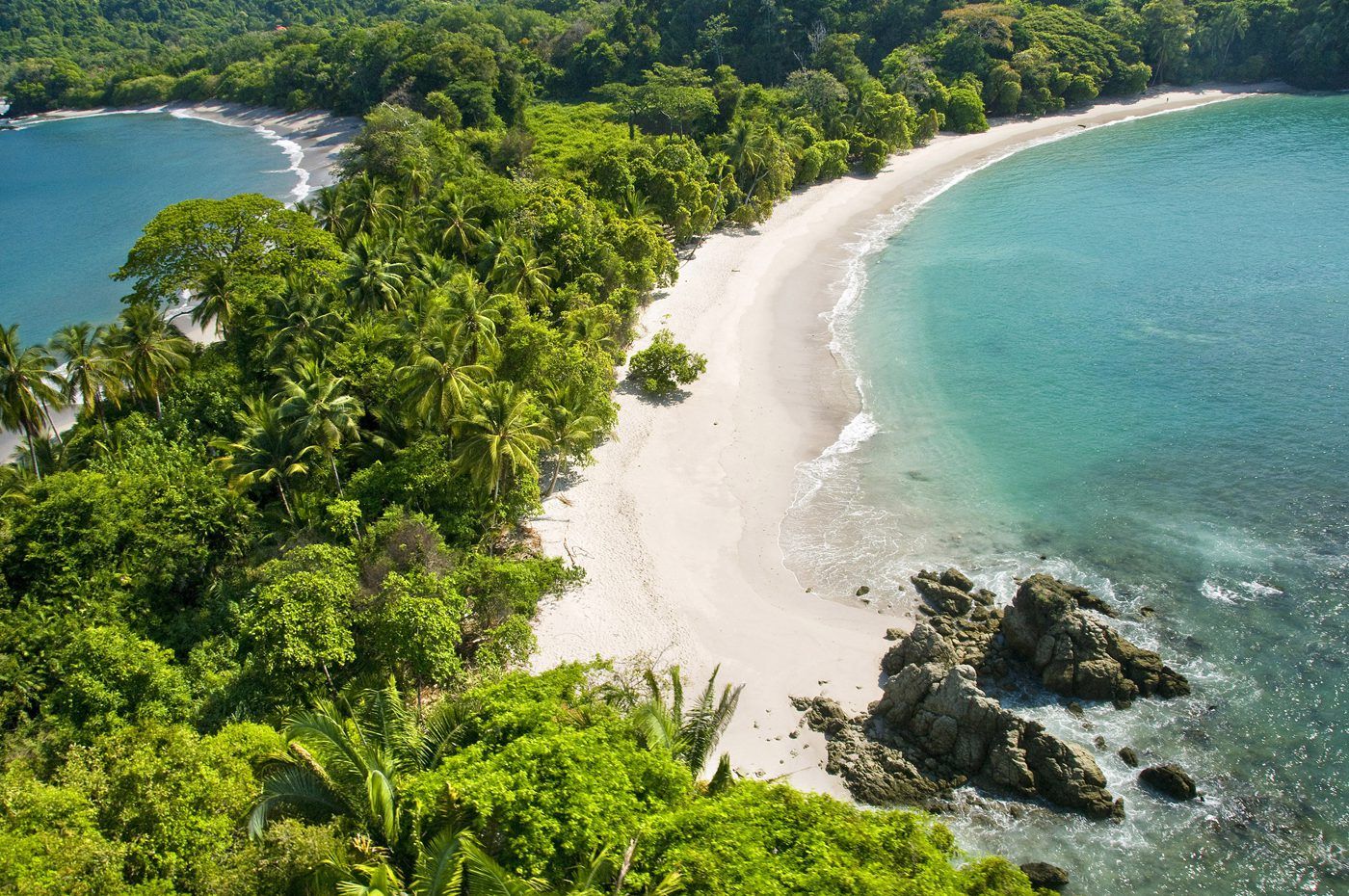
  • Local Markets and Organic Fairs: Immerse yourself in vibrant markets full of color and flavor.

Practical Tips for Foodies

  • Wear comfortable yet smart-casual attire for special dining experiences.
  • Make reservations in advance at popular or tasting-menu restaurants.
  • Opt for guided tours to uncover local culinary secrets and stories.

Plan Your Culinary Journey with CRS Tours!

At CRS Tours, we’re local experts dedicated to crafting personalized gastronomic journeys. Whether you’re planning a gourmet travel escape or a full Costa Rican cuisine tour, we’ll help design an unforgettable experience. Tell us which flavors you wish to explore, and let us help create an unforgettable culinary experience in Costa Rica.

Start designing your foodie adventure with us today!

Hidden Waterfalls in Costa Rica: Secret Spots You Need to See

Hidden Waterfalls in Costa Rica: Secret Spots You Need to See

Costa Rica is a land of volcanoes, rainforests, and endless biodiversity—but some of its most magical places remain hidden to the average traveler. If you’re ready to go beyond the tourist trail, here’s a guide to the hidden waterfalls in Costa Rica that will take your breath away.


Why Explore Hidden Waterfalls?

  • Crowd-free beauty: These waterfalls are far from the usual tourist hubs.

  • Adventure-packed: Reaching them often involves short hikes, river crossings, and nature trails.

  • Photographer’s dream: Expect stunning landscapes and pure, unspoiled nature.


Top Hidden Waterfalls Worth Visiting

1. Bijagual Waterfall – Central Pacific Region

Tucked in the mountains behind Jacó, Bijagual is one of the tallest waterfalls in Costa Rica, yet rarely visited. The trail leads you through lush rainforest and offers breathtaking views of the Pacific coast.

Level: Moderate to Challenging Hike
Time: Around 1.5 hours
Bonus: Birdwatching and incredible biodiversity


2. Nauyaca Waterfalls – Southern Zone (Not so hidden, but less crowded with the right guide!)

Near Dominical, this two-tiered waterfall is a dream for swimming and picnicking. Most people stop at the top—go all the way down and you’ll likely have it all to yourself during weekdays.

Level: Moderate hike or horseback ride
Tip: Visit early morning for the best light and fewer people


3. Diamante Waterfall – Pérez Zeledón

You’ll need a guide to reach it, but this is the kind of place that makes you feel like you’re in an Indiana Jones movie. Hidden in the jungle, it even has a cave behind the waterfall where you can spend the night.

Level: Challenging hike
Experience: Sleep behind a waterfall


4. La Leona Waterfall – Guanacaste

A true hidden gem near Curubandé, this turquoise waterfall requires walking through canyons, swimming across crystal pools, and squeezing through rocky walls. You’ll feel like a true explorer.

Level: Adventurous & Fun
Instagram-worthy doesn’t even cover it


5. Blue Falls – Near Río Celeste

A less-known neighbor of the famous Río Celeste waterfall. The Blue Falls are actually several waterfalls scattered through the rainforest—completely wild and unbelievably blue.

Level: Easy to Moderate with Guide
Private property access—ask CRSTours for custom visits


Pro Tips for Chasing Waterfalls in Costa Rica

  • Go with a local guide: Many of these waterfalls are on private land or require navigation skills.

  • Waterproof everything: Especially your phone and camera.

  • Travel light, but smart: Bring snacks, hydration, and good shoes.

  • Respect nature: Leave no trace and support eco-conscious tours.


How to Visit These Hidden Waterfalls with CRSTours

At CRSTours, we specialize in crafting unforgettable, off-the-beaten-path experiences. Whether you want a day trip or a custom waterfall-hopping tour, we’ll take care of the logistics—so all you have to do is show up and explore.

Want to discover Costa Rica’s hidden side?! 

Costa Rica for Families: Best Kid-Friendly Activities & Travel Tips

Discover the Best Kid-Friendly Adventures

When most people think of Costa Rica, they picture lush rainforests, towering volcanoes, and pristine beaches—and they’re not wrong. But what many families don’t realize is that Costa Rica is also one of the most family-friendly travel destinations in the world. It’s a country where education, nature, and fun go hand in hand. And for kids? It’s an adventure playground just waiting to be explored.

If you’re planning a family trip and wondering if Costa Rica is the right fit, the answer is: absolutely yes. Whether you’re traveling with energetic toddlers, curious school-age kids, or hard-to-impress teens, there’s something here for everyone. And better yet? The experiences are rich in both fun and meaning.


The Magic of Nature, Through a Child’s Eyes

One of the first things you’ll notice when arriving in Costa Rica is how alive everything feels. Children who are used to screens and structured routines are suddenly surrounded by howler monkeys calling from treetops, sloths lounging in branches, and vibrant blue morpho butterflies floating through the air.

There’s no need for artificial entertainment here—the natural world is the show.

Imagine starting your day with a gentle hike through Manuel Antonio National Park, where a friendly guide points out iguanas sunbathing, monkeys swinging from tree to tree, and even a sleepy sloth nestled in the canopy. Then, in the afternoon, your kids are splashing in warm ocean waves while scarlet macaws fly overhead. It’s a kind of magic that sticks with them long after the trip is over.


Where Adventure Meets Comfort

One of the best parts of family travel in Costa Rica is how easy it is to balance adventure and comfort. Parents don’t have to sacrifice relaxation for the sake of keeping kids busy, and kids don’t have to sit through long museum visits to learn something meaningful.

In La Fortuna, families can soak in hot springs heated by the Arenal Volcano after a morning exploring a waterfall trail or walking among the treetops on a hanging bridge. Younger kids love floating in the warm pools while older siblings get their thrill ziplining through the jungle canopy.

Over on the Caribbean side, Tortuguero offers something truly unforgettable: watching sea turtles nest on the beach at night. Guided by local conservationists, kids quietly sit and watch as these ancient creatures complete their life cycle. It’s more than a memory—it’s a lesson in respect for nature and the importance of protecting it.


Hands-On Learning (Without Feeling Like School)

Costa Rica has a unique ability to make education exciting. At animal rescue centers like Proyecto Asis or the Jaguar Rescue Center, your kids can learn about wildlife rehabilitation and even help feed the animals. On a chocolate tour near Arenal, they’ll get their hands dirty grinding cacao and tasting the sweet rewards.

For city-based days, San José’s Children’s Museum and butterfly gardens in Monteverde offer interactive exhibits that blend science, art, and nature. These places aren’t just rainy-day options—they’re highlights on their own.


Beach Days They’ll Never Forget

Of course, no trip to Costa Rica is complete without beach time—and this country has some of the best for families. Whether you choose the Pacific Coast (like Tamarindo, Nosara, or Samara) or the Caribbean Coast (like Puerto Viejo), you’ll find gentle waves, soft sand, and plenty of room to play.

Many coastal towns offer surf schools that specialize in teaching children, with certified instructors who prioritize safety and fun. It’s not uncommon to see a 7-year-old catch their first wave, hop off the board, and look up with a grin that says, “I did it!”

In the evenings, families gather to watch the sunset while enjoying fresh fruit smoothies or wood-fired pizza by the beach. Life moves slower here—and that’s part of the charm.


Planning for Comfort (and Sanity)

Traveling with children always requires some extra planning, but Costa Rica makes it easier than most destinations. The country has reliable healthcare, clean food and water, and a strong emphasis on sustainability and education. Locals are famously warm and welcoming, and families are treated with kindness wherever they go.

Many hotels and eco-lodges offer family suites, child-friendly menus, and even on-site nature trails. Renting a car is a great option if you want more flexibility, but many destinations also offer shuttle services and guided tours.


Final Thoughts: Why Costa Rica is a Gift to Your Family

Costa Rica isn’t just a place to visit—it’s a place to connect. With each passing day, your family will find new reasons to be present: a butterfly landing on a finger, a monkey stealing a snack (true story), a sunset so colorful it looks unreal.

But more importantly, it’s a chance to disconnect from the noise and reconnect with each other. No screens, no distractions—just nature, adventure, and the people you love most by your side.

So if you’re thinking about your next family getaway, think Costa Rica. It’s safe, enriching, wildly fun, and surprisingly easy to enjoy.

Your kids won’t just remember the ziplining or the waterfalls.
They’ll remember how it made them feel.
And that’s the kind of trip that lasts forever.


Trusted Expertise and Strong Partnerships – CRS Tours, Your Reliable Travel Companion
Save Travels CRS Tours
Instituto Costarricense de Turismo
Certificación de sostenibilidad turística
Corcovado foundation
Tripadvisor Travelers Choice Awards 2025 - CRS Tours
Code of conduct CRS Tours
essential costa rica
Global ethics
Pack for a purpose
Hours

Monday to Saturday: 8:00am – 5:00pm

Costa Rica Time = GMT-6
(Central Standard Time, no daylight saving)

Contact Info

Email: 
contact@crstours.com

Toll-Free number from the US:
+1 (800) 431-0137

Phone Costa Rica: 
+506 4001-7794

WhatsApp: 
+506 6108-3327

© 2026 CRS Tours S.A., Costa Rica. All Rights Reserved.
Website developed by César Otárola - OtarolaPhoto.com

Request a call back