

Osa and Corcovado: The Wildest Corner of Costa Rica
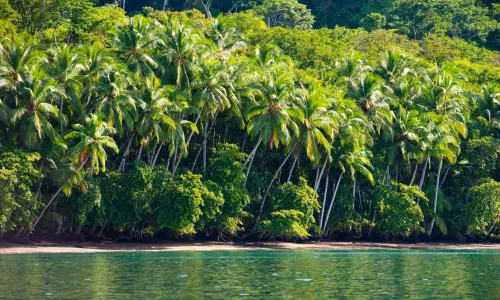
Osa is the part of Costa Rica most travellers never reach. There is a reason for that. It is far, the roads are bad and you have to plan ahead. But those who do go see something you no longer find in the rest of the country: lowland rainforest that was never logged, running unbroken all the way down to the sea.
National Geographic once called Corcovado the most biologically intense place on Earth. That quote gets repeated everywhere by now, by us as well, but it does hold up. On an area of just over four hundred square kilometres live roughly half of all the species found in Costa Rica.
Why Corcovado is different
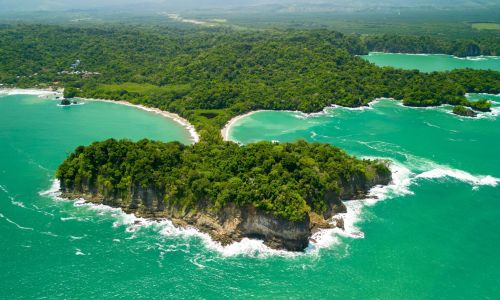
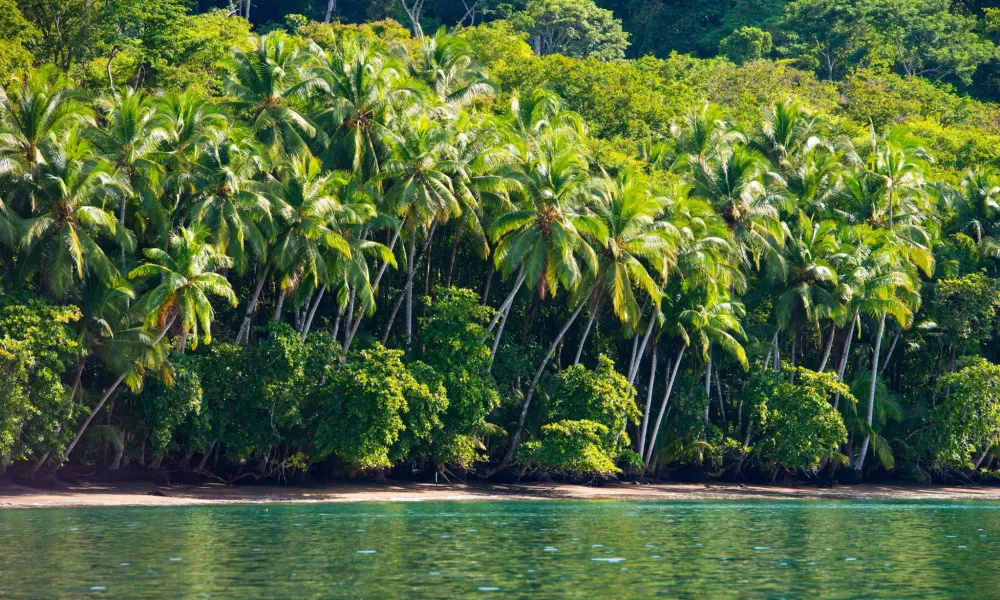
Costa Rica has a great deal of protected land, but most of it is mountain forest, cloud forest or volcano slope. Tropical lowland rainforest on the Pacific side has disappeared almost everywhere, in Central America and beyond. On Osa it is still standing. Over four hundred square kilometres of it, unbroken, with a coastline attached.
That unbroken part is the point. Large animals need room. A jaguar holds a territory of tens of square kilometres. In a fragmented forest those species do not survive. Here they still do, just.
The peninsula was remote for so long that it was spared. Logging and gold prospectors only arrived in the seventies, and neither has ever entirely left. The park was established in 1975, partly to stop exactly that. Go out with an older guide and you will hear stories about it that appear in no guidebook.
What lives there
Four monkey species: howler, capuchin, spider monkey and the squirrel monkey. That last one is barely seen anywhere else. Tapirs, which with some luck you meet at a mud wallow. All six of Costa Rica’s cat species, jaguar included, though almost nobody sees one.
What you will certainly hear are the scarlet macaws. They fly over in pairs and sound like a rusty gate swinging. Osa has the largest population in the country.
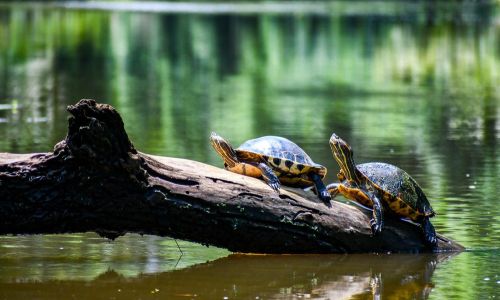
Beyond that, hundreds of bird species, armadillos, coatis, sloths and more snakes than you want to know about. Along the coast there are beaches where sea turtles come up to lay, and in the river mouths there are crocodiles and bull sharks. So you do not simply swim anywhere here. Always ask first.
Do not expect a zoo. You walk for hours and sometimes see little. Then you stop dead because a tapir steps out of the undergrowth five metres away. That is precisely why people come back.

You cannot simply walk in
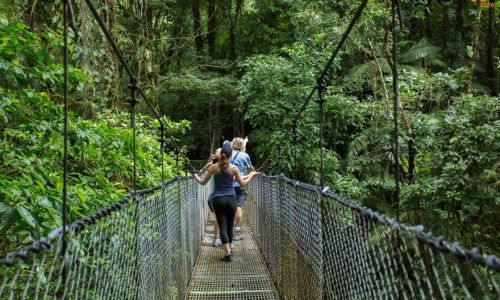
Corcovado is one of the few parks in Costa Rica where a certified guide is compulsory. You cannot set off on the trail by yourself. The number of visitors per day is capped as well. That feels strict, and in high season it makes planning awkward, but it works. You are not walking in a queue of day trippers.
And honestly: a guide sees ten times more than you do. Where you see a branch, he points out a snake.
Book well ahead. For December to April places are sometimes gone months in advance. Arranging this two weeks beforehand will not get you in. This is not a park you drive past on a whim.
A good guide makes all the difference here. Most are from the area, have known the forest since childhood and carry a scope that they have trained on a sloth or an owl before you have worked out where they are looking. Ask for a guide who knows birds if that matters to you; they are not all specialised in the same thing.

Getting there
There are three ways, and which one you choose depends on how much time you have.
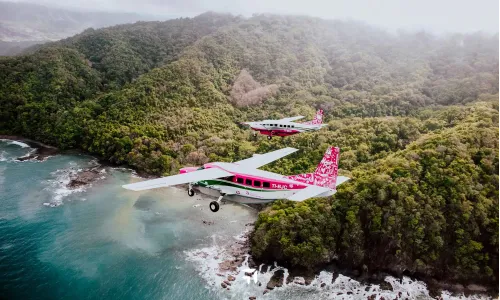
Flying to Puerto Jimenez or Drake Bay takes about an hour from San Jose. Small aircraft, little luggage, but you are there the same morning. Driving is possible too: eight hours from San Jose to Puerto Jimenez, on tarmac that becomes steadily less tarmac towards the end. For Drake Bay the last stretch goes by boat from Sierpe, straight through the mangroves. That boat ride is worth doing in its own right.
From Puerto Jimenez you drive to the La Leona or Los Patos entrance. From Drake Bay you sail to San Pedrillo or Sirena. Sirena sits in the middle of the park and offers the best chance of large animals, but you have to sleep there or make a long day trip of it.
Costs vary a lot. Park entry and the compulsory guide together come to around a hundred dollars per person per day, before boats and transport. Osa is not the cheapest part of Costa Rica and it is better to know that in advance.
Where to stay
Inside the park there is only La Sirena, a basic station with bunk beds or tents and simple meals. No luxury, but it is the one place where you are outside at sunrise while everybody else still has to sail in. For anyone who wants to see animals, that is the difference.
Outside the park there is more choice. Puerto Jimenez is a real town with shops and restaurants. Drake Bay is smaller and quieter. And along the coast there are lodges running on solar power, where you eat by lamplight and the wifi half works. Some guests find that annoying. Most are glad of it after two days.
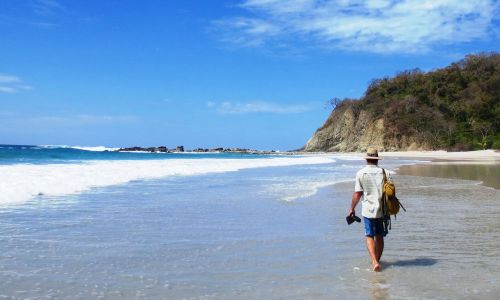
The four entrances differ considerably. La Leona you reach on foot along the beach from Carate, which is not always possible at high tide. Los Patos is inland and is the hardest walk. San Pedrillo is easiest from Drake Bay and has a waterfall within walking distance. Sirena is the finest, and also the most expensive and the hardest to book. Anyone with only one day usually does San Pedrillo; anyone who wants animals goes to Sirena.

Beyond the park
Osa is more than Corcovado alone, and that is often forgotten.
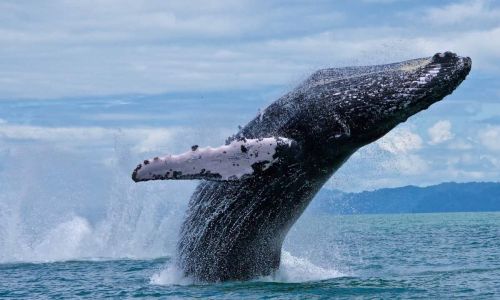
Cano Island lies an hour offshore and has the clearest water on this coastline. Snorkelling and diving there are excellent. The Golfo Dulce on the other side of the peninsula is one of the few tropical fjords in the world, deep and sheltered, where humpback whales come to calve from July to October and again from December to March. From both hemispheres, which happens nowhere else.
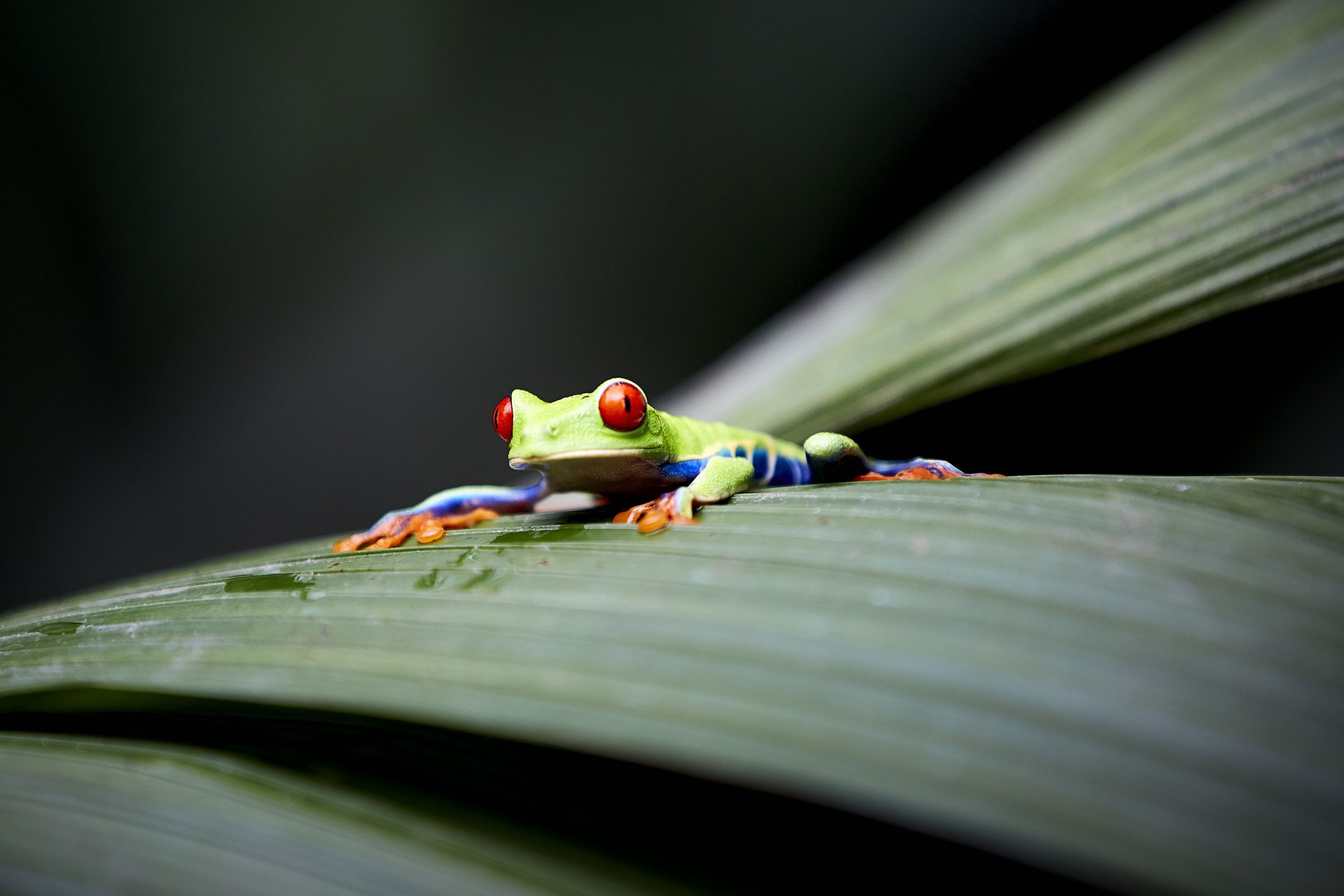
And then there is the night walk. By day the forest is quiet and you mostly see leaves. Once it is dark that changes completely: frogs, spiders, snakes, insects you did not know existed. For many travellers it turns out to have been the best part.
Book your lodge early as well. There are few of them, and once the good places are full there is not much left. That goes double for Drake Bay, where the rooms seem countable on one hand.

When to go, and for how long
The dry season runs from December to April. Trails are easier, boat trips run more often, and it is busy. In September and October it rains harder here than anywhere else in the country, sometimes a few hundred millimetres in a week. Some lodges simply close.
May, June and November sit in between. Green, far fewer people, and the rain usually holds off until the afternoon. We often think that is the best window, though not everyone says so out loud.
Count on three nights minimum. Spending two days travelling there and back for one day on the ground is a waste of the effort. Four or five nights is more comfortable and leaves room for Cano Island or the gulf.
Worth adding: the mangroves at Sierpe themselves. Most people pass through them in twenty minutes on the way to Drake Bay while looking at their phone. Book a separate trip and you will see ibises, tree snakes and with luck a silky anteater.
What to bring
Shoes that can take mud and that you are willing to get wet. Long trousers, long sleeves, insect repellent. A rain jacket, dry season included. Binoculars, because without them you miss half of it. And a dry bag for your phone and camera, certainly if you arrive by boat: coming ashore means standing in the surf.
Bring cash. There are hardly any cash machines and not everything takes cards. And expect no signal in the park.
One last thing: do not leave the binoculars in the safe because they are heavy. Everyone who does regrets it later.
Children can come along, but not everywhere. The long day trips to Sirena are too much for young children; a shorter walk at San Pedrillo, a boat trip and a night walk work very well indeed. From about eight years old it gets easier.
If you are unsteady on your feet, you do not have to write Osa off. There are lodges with short, level paths on their own grounds where you see toucans and monkeys from your terrace. You skip the park itself and still get the feeling.
Who is this for?
Anyone happy to set off in the morning with wet shoes and not bothered by insects will get everything out of this. Anyone who mainly wants to swim, rest and eat well is better off elsewhere. Manuel Antonio gives you monkeys too, but with a beach bar next to them.
Osa also combines well with a few quiet days afterwards. Many travellers fly on to Manuel Antonio or to the Golfo Dulce for something calmer.
Plan your trip to Costa Rica and request a personal, tailor-made proposal with no obligation.