Tag: Beaches

Costa Rica Romantic Escape: Tortuguero, Arenal & Tamarindo

A romance that runs from Caribbean jungle to Pacific sunset. You start at Tortuguero, gliding its jungle canals with turtles nesting in season, then head to the Arenal volcano for rainforest hikes and a swim beneath the La Fortuna waterfall. Next are the thermal rivers of Río Perdido, and you finish on the Guanacaste coast at Tamarindo, with sunset beaches and the option of a private catamaran cruise for two.

Highlights: Tortuguero canals, La Fortuna waterfall, Río Perdido hot rivers, a Tamarindo sunset sail.

Best for: honeymooners and couples who want nature by day and time together by night.

This is a sample itinerary. We tailor every trip to your dates, pace, hotels and budget — just tell us what you would like to change.


Squirrel monkey perched on a branch, displaying its distinct orange and white fur.

Costa Rica Nature & Wildlife Tour: Arenal, Monteverde & Manuel Antonio

Costa Rica’s greatest hits, taken slowly and in comfort. From San José you travel to the Arenal volcano for hot springs and rainforest, then to the Monteverde cloud forest for wildlife and hanging bridges, and finish on the Pacific at Manuel Antonio, where the national park meets the beach. Comfortable lodges and easy days make it as much about unwinding as sightseeing.

Highlights: Arenal hot springs, Monteverde cloud forest, Manuel Antonio wildlife and beaches.

Best for: couples and first-timers who want the classics without rushing.

This is a sample itinerary. We tailor every trip to your dates, pace, hotels and budget — just tell us what you would like to change.


Costa Rica Romantic Getaway: Bajos del Toro, Arenal & Manuel Antonio

Eleven unhurried days for two. From San José you head to the hidden Bajos del Toro waterfall, then to the Arenal volcano for rainforest walks and hot springs, and on to the Monteverde cloud forest and its wildlife reserve. You finish on the Pacific at Manuel Antonio, where white-sand beaches sit right beside the national park. Guided moments and plenty of free time, just the two of you.

Highlights: Bajos del Toro waterfall, Arenal hot springs, Monteverde cloud forest, Manuel Antonio beaches.

Best for: couples who want the classics at a romantic, relaxed pace.

This is a sample itinerary. We tailor every trip to your dates, pace, hotels and budget — just tell us what you would like to change.

Costa Rica Diving & Rainforest: Drake Bay & Manuel Antonio

If you want your diving wrapped in serious rainforest, this is the one. After a first night in Alajuela you fly to Drake Bay on the wild Osa Peninsula and spend three days between land and sea: hiking Corcovado National Park, one of the most biodiverse places on earth, and diving or snorkelling around Caño Island, where reef sharks, rays and turtles are regulars. You finish at Manuel Antonio, whose small national park is one of the surest places in the country to see sloths and monkeys, with beaches right next door.

Highlights: Caño Island diving, Corcovado rainforest, sloths and beaches at Manuel Antonio.

Best for: divers and nature lovers who want the remote, wild side of Costa Rica.

This is a sample itinerary. We tailor every trip to your dates, pace, hotels and budget — just tell us what you would like to change.

Diving Costa Rica

Costa Rica Diving: Catalina Islands via Arenal & Monteverde

Short, varied and built around one of Costa Rica’s best dive sites. You begin at Arenal for hot springs and volcano views, cross to the Monteverde cloud forest for wildlife in the treetops, then settle on the Guanacaste coast at Tamarindo, your launch point for the Catalina Islands, famous for giant manta rays, turtles and reef sharks. Days above water, days below.

Highlights: diving the Catalina Islands, Arenal, Monteverde cloud forest, Tamarindo beaches.

Best for: divers who want a compact trip with volcano and cloud forest on the side. Manta sightings are best in the December-to-April dry season.

This is a sample itinerary. We tailor every trip to your dates, pace, hotels and budget — just tell us what you would like to change.

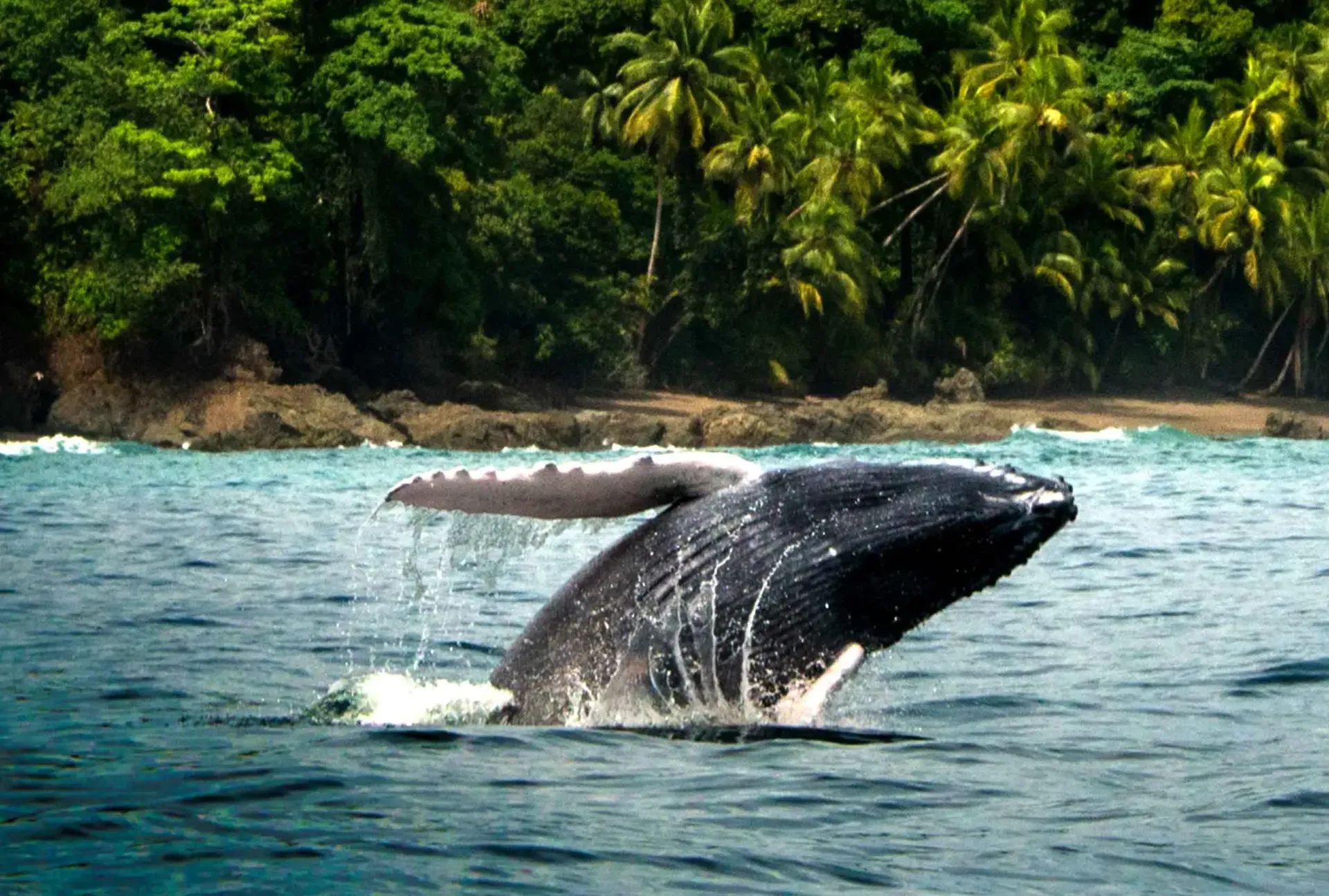
Beautiful humpback whale breaching

Costa Rica Diving Tour: Arenal, Manuel Antonio & Drake Bay

A grand loop of Costa Rica by land and sea. From San José you head to La Fortuna and the Arenal volcano, then to the Guanacaste coast at Flamingo for warm-water diving and beaches. The route works through the Monteverde cloud forest and the wildlife of Manuel Antonio, down the southern Pacific to Uvita, and out to remote Drake Bay for boat trips over some of the country’s richest reefs.

Highlights: diving off Flamingo and Drake Bay, Arenal, Monteverde, Manuel Antonio.

Best for: travellers who want to see a lot of Costa Rica and dive along the way. Diving is matched to your level and the season.

This is a sample itinerary. We tailor every trip to your dates, pace, hotels and budget — just tell us what you would like to change.

"Family enjoying a kayaking adventure, paddling along the coast

Costa Rica Adventure: Pacuare Rafting, Arenal & Manuel Antonio

If your idea of a holiday is doing rather than lounging, this is your trip. It opens on the Pacuare River, among the world’s best whitewater runs, where Class III–IV rapids carry you through untouched rainforest. From there come canyoning, waterfall rappels and a zip-line high over the Arenal canopy, before you trade adrenaline for the Pacific at Manuel Antonio, with kayaking, snorkelling and beaches beside the national park.

Highlights: rafting the Pacuare, canyoning and hot springs at Arenal, wildlife and beaches at Manuel Antonio.

Best for: active couples, friends and families with teens. We match each day’s intensity to your fitness and experience.

This is a sample itinerary. We tailor every trip to your dates, pace, hotels and budget — just tell us what you would like to change.

Mother capuchin monkey carrying her baby on her back in a tropical forest

11-Day Costa Rica Adventure: Sarapiquí, Arenal & Corcovado

Eleven days that run from Costa Rica’s green heart to its wildest corner. You begin in the rainforest of Sarapiquí with white-water rafting, then move to the Arenal volcano and the cloud forest of Monteverde. Along the way you float the turquoise Río Celeste, and you finish deep in the south at Corcovado National Park on the Osa Peninsula, one of the most biodiverse places on earth.

Highlights: Sarapiquí rafting, Arenal volcano, Monteverde cloud forest, Río Celeste, Corcovado wildlife.

Best for: active travellers who want real wilderness alongside the classics, at an unhurried pace.

This is a sample itinerary. We tailor every trip to your dates, pace, hotels and budget — just tell us what you would like to change.

10-Day Costa Rica Adventure: Arenal, Monteverde & Tamarindo

Ten days that balance the pulse of adventure with time on the sand. From San José you head to the northern plains and the Arenal volcano, prime territory for white-water rafting and canopy tours, then to the Monteverde cloud forest and its wildlife. You wind down on the Guanacaste coast at Tamarindo, one of Costa Rica’s best-loved surf towns, with waves for all levels and calm days by the sea.

Highlights: rafting and canopy tours at Arenal, Monteverde cloud forest, surfing at Tamarindo.

Best for: first-time visitors who want adventure and beach in one easy loop.

This is a sample itinerary. We tailor every trip to your dates, pace, hotels and budget — just tell us what you would like to change.

Costa Rica for Digital Nomads: Best Places to Work Remotely in 2025

If you’re looking for the perfect balance between work, adventure, and natural beauty, look no further than Costa Rica for digital nomads. With fast-growing coworking hubs, reliable Wi-Fi, friendly communities, and stunning landscapes, Costa Rica continues to rise as a top remote work destination in 2025. Whether you prefer the rhythm of the ocean or the calm of the mountains, this country offers a variety of spots that combine productivity with pura vida vibes.

Why Costa Rica Is Ideal for Digital Nomads in 2025

Costa Rica is more than just a tropical paradise. Here’s why it’s the perfect spot for digital nomads:

  • Strong internet connectivity in major towns and tourist hubs.
  • Visa options that favor long stays (including the Digital Nomad Visa).
  • Affordable living costs compared to North America and Europe.
  • Welcoming culture and English-friendly locals.
  • Time zone compatibility for U.S. and Canada-based remote jobs.
  • Adventure around every corner — surf, hike, or relax after work.

Top 5 Places to Work Remotely in Costa Rica (2025 Edition)

1. Tamarindo – Surf and Cowork in Paradise

This lively beach town in Guanacaste is perfect for remote workers who love the sun and surf. Tamarindo has multiple coworking spaces, such as Selina Cowork, and a strong digital nomad community.

Highlights:

  • Beautiful sunsets and beaches
  • Variety of cafés and coworking spots
  • Great expat and networking scene

2. Santa Teresa – Chill Vibes, Fast Wi-Fi

Known for its laid-back feel and consistent surf, Santa Teresa is a favorite among creatives and entrepreneurs. The beachside cafés and boutique workspaces make it easy to stay productive in a dreamlike setting.

Highlights:

  • Strong remote work infrastructure
  • Yoga and wellness culture
  • Cozy beach town atmosphere

3. San José – Urban Connectivity and Culture

For those who prefer a city vibe, the capital offers everything from fast internet to modern coworking offices. San José is a great base if you need access to business services or frequent travel.

Highlights:

  • Professional networking opportunities
  • Central access to the rest of the country
  • Large number of cafes and coworking hubs

4. Nosara – Wellness and Work in Harmony

A blend of nature, mindfulness, and productivity, Nosara is ideal for nomads looking for balance. It’s quieter than Tamarindo but still offers high-speed internet and reliable workspaces.

Highlights:

  • Focus on wellness and nature
  • Peaceful, community-centered environment
  • Safe and scenic surroundings

5. La Fortuna – Volcano Views with Virtual Meetings

Imagine working with a view of Arenal Volcano. La Fortuna offers a unique mix of adventure and calm, perfect for nature-loving nomads. Plus, there are cozy cafés and good connectivity in town.

Highlights:

  • Close to hot springs and eco-adventures
  • Growing digital nomad community
  • Affordable lodging and food

Tips for Digital Nomads in Costa Rica

  • Consider the Digital Nomad Visa, which allows you to stay up to 12 months.
  • Use Coworking Costa Rica or local Facebook groups to find communities.
  • Travel with a good travel insurance plan and backup internet options.
  • Learn some Spanish — it helps build local relationships.
  • Book tours and transportation with trusted providers like CRS Tours for smoother experiences.

Ready to Work Remotely in Costa Rica?

Let CRS Tours help you explore the best of Costa Rica while working remotely. Whether you’re planning a short stay or a year-long adventure, we offer personalized travel planning, local experiences, and transportation services tailored for digital nomads.

Diving Costa Rica

Dive into Costa Rica: Explore the Depths

Diving in Costa Rica: Explore Diverse Underwater Worlds 
Costa Rica is a diver’s dream. From the thrill of swimming alongside hammerhead sharks at Cocos Island to the colorful coral gardens of Cahuita, this Central American gem boasts some of the world’s most diverse underwater landscapes. Add to that the chance to encounter whale sharks—the gentle giants of the ocean—and it’s easy to see why Costa Rica ranks high on any diver’s bucket list. Whether you’re a seasoned diver or just starting out, Costa Rica has something for everyone.

The Best Diving Destinations in Costa Rica

Costa Rica offers a range of diving environments, each with its own unique charm. Let’s explore some of the best sites across the country:

Cocos Island National Park: The Ultimate Dive Spot

Imagine a remote island 550 kilometers off Costa Rica’s Pacific coast. Cocos Island National Park is often called the “Everest of diving,” and for good reason. This UNESCO World Heritage Site is famous for its incredible marine life, particularly its schools of hammerhead sharks.

What to Expect:

Divers encounter hammerhead sharks in the hundreds, whale sharks, manta rays, and even tiger sharks. The strong currents and deeper dives at Cocos make it ideal for advanced divers seeking thrilling, pelagic encounters. The dramatic underwater topography—walls, pinnacles, and blue water dives—enhance the excitement. Visibility typically ranges from 10 to 30 meters, making each encounter a breathtaking experience.

Best Time to Visit:

June to November is ideal for hammerhead and whale shark encounters due to increased plankton, which attracts large schools of these giants.

Why Go with CRS Tours:

Navigating the logistics of reaching Cocos Island can be complex. CRS Tours offers packages that include everything from liveaboard bookings to expert dive guides who prioritize your safety and comfort.

Dive Costa Rica

Catalina Islands: A Diver’s Dream for Manta Rays and Whale Sharks

Closer to the Pacific coast, the Catalina Islands (Islas Catalinas) are a chain of volcanic islets known for encounters with giant manta rays. Just a short boat ride from Playa Flamingo or Tamarindo, the Catalinas offer a more accessible but no less spectacular dive experience.

What to Expect:

The highlight here is the giant manta rays—majestic creatures that can reach wingspans of up to 6 meters. Alongside mantas, divers might spot whale sharks during the transition period from November to January, as well as white-tip reef sharks and vibrant schools of fish. The underwater arches and rock formations create an otherworldly seascape. Visibility varies from 8 to 20 meters, depending on the time of year.

Recommended for:

Intermediate to advanced divers due to occasional strong currents.

Bat Islands (Islas Murciélagos): The Thrill of Bull Sharks

For the brave at heart, the Bat Islands in the Santa Rosa National Park are a must. Known for its large bull sharks, this area offers adrenaline-pumping dives in deep, current-heavy waters.

What to Expect:

Divers encounter bull sharks patrolling the deeper channels between the islands. Beyond sharks, you’ll encounter manta rays, large schools of jacks, and the occasional whale shark. Depths range from 20 to 35 meters, making it suitable for those with advanced certifications.

Best Time to Visit:

May to November, when warmer waters attract bull sharks and whale sharks are known to make appearances.

Important Note:

The Bat Islands are best suited for experienced divers due to the strong currents and deeper depths.

Isla Caño: A Pacific Paradise for All Levels>

Just off the Osa Peninsula in the South Pacific, Isla Caño is a hidden gem known for its stunning biodiversity. Often overshadowed by its bigger counterparts, Isla Caño offers a more relaxed but equally beautiful diving experience.

What to Expect:

This marine reserve is home to rays, sea turtles, and white-tip reef sharks. Divers can explore coral reefs that are teeming with tropical fish, including parrotfish, snappers, and angelfish. Visibility at Isla Caño is usually excellent, ranging from 15 to 25 meters. During the humpback whale migration season (July to October), divers may hear their haunting songs underwater.

Best for:

Beginners to intermediate divers, thanks to calmer waters and moderate depths (10 to 20 meters).

Whale Sharks in Costa Rica: Where and When to See Them

Whale sharks are the largest fish in the ocean, capable of growing up to 40 feet (12 meters) in length. Despite their massive size, they’re known for their gentle nature, making encounters with them one of the most sought-after experiences for divers.

  • Cocos Island National Park: The best place to encounter whale sharks in Costa Rica, particularly from June to November, when plankton blooms draw these gentle giants closer.
  • Catalina Islands: While more known for manta rays, divers may spot whale sharks between November and January when nutrient levels rise.

What to Expect During a Whale Shark Encounter:

Seeing a whale shark for the first time is magical—like encountering a gentle underwater giant that glides effortlessly through the water. Remember to maintain a respectful distance of at least 3 meters (10 feet) from the whale shark to avoid disturbing them.

Diving Seasons in Costa Rica: What to Expect Throughout the Year

Costa Rica’s diving conditions change throughout the year, influenced by shifts in weather, water temperature, and marine migrations. Here’s what each season offers:

  • Dry Season (December to April): Clearer waters, especially on the Pacific coast, with visibility from 15 to 30 meters. Best for seeing manta rays at Catalina Islands. Caribbean conditions are calm, making it perfect for Cahuita’s coral reefs.
  • Green Season (May to November): Known for plankton blooms that attract hammerheads and whale sharks to Cocos Island. Humpback whales arrive along the Pacific coast from July to October. Visibility may decrease, but marine life is at its peak.

Monthly Highlights:

  • December – March: Best for clear waters and manta ray sightings.
  • May – August: Peak whale and dolphin season along the Osa Peninsula.
  • September – October: Highest chance to encounter humpback whales at Isla Caño and Golfo Dulce.

Dive into Costa Rica

Costa Rica offers a vast underwater world waiting to be explored, with each region offering its own unique charm. From the thrilling deep dives of Cocos Island to the serene coral gardens of Isla Caño, there’s no shortage of wonders beneath the surface. With CRS Tours as your guide, you’ll dive into the best of Costa Rica, making memories that will last a lifetime. Ready to take the plunge? Contact CRS Tours today and start planning your ultimate Costa Rican diving adventure.


See colorful toucans in Costa Rica’s jungles with a wildlife tour by CRSTOURS

Explore Manuel Antonio: Costa Rica’s Best Beaches, Nature Trails, and Wildlife Experiences

Manuel Antonio: The Jewel of Costa Rica

Manuel Antonio, located on Costa Rica’s Pacific coast, is a true tropical gem. Famous for its national park, rich biodiversity, and stunning beaches, it’s the perfect destination for anyone looking to escape into nature. Manuel Antonio offers a mix of adventurous hiking, exciting water sports, and peaceful wildlife watching. It’s one of Costa Rica’s most popular spots, a small village that blends pristine beauty with an amazing range of activities, making it a must-visit for every kind of traveler.

Location and Accessibility

Nestled in the Puntarenas province, Manuel Antonio is a three-hour scenic drive from San José, Costa Rica’s capital. The route takes you along the Pacific coast, through forests and small towns. If you’re short on time, domestic flights from San José to Quepos (just 15 minutes from Manuel Antonio) provide a quicker option. Though it seems remote, Manuel Antonio is easy to reach and well connected, ensuring smooth access to this tropical paradise.

Historical and Cultural Background

Before becoming a tourist hotspot, Manuel Antonio was inhabited by the Quepoa people long before Spanish colonization. For years, it remained a quiet fishing village until ecotourism took off in the late 20th century. Since then, visitors have been drawn to its unspoiled landscapes. The local culture is deeply rooted in nature, with eco-friendly initiatives and sustainable tourism at the heart of the area’s development.

Manuel Antonio National Park: The Heart of the Region

Park Overview

Manuel Antonio National Park, established in 1972, is small but boasts immense biodiversity. The park covers 1,700 acres of land and 135,000 acres of marine area. Within its boundaries, you’ll find rainforests, beaches, and thriving wildlife. Trails suitable for all skill levels wind through dense jungles, where you can spot monkeys, sloths, and colorful birds. It’s the perfect introduction to Costa Rica’s rich natural beauty.

Biodiversity and Wildlife

One of the main draws of Manuel Antonio National Park is its rich wildlife. The park is home to over 350 bird species and 100 mammals, not to mention countless reptiles, amphibians, and insects. You’re likely to see squirrel monkeys, white-faced capuchins, and two-toed sloths. In the marine areas, dolphins and colorful fish abound.

Squirrel monkey perched on a branch, displaying its distinct orange and white fur.

Flora and Fauna

From mangroves to tropical trees, the plant life here is diverse and lush. The rainforest canopy shelters everything from large ferns to delicate orchids. The park also features tidal pools and wetlands, which support different ecosystems. Every visit brings new discoveries.

Beaches in Manuel Antonio

Playa Espadilla

Playa Espadilla is the most popular beach near the national park. Its wide shoreline and gentle waves make it ideal for swimming, sunbathing, and surfing. This beach is easily accessible and lined with cafes and shops, offering plenty of opportunities for water activities like kayaking and paddleboarding.

Playa Manuel Antonio

Located inside the national park, Playa Manuel Antonio is more secluded. Its white sand and crystal-clear waters make it one of Costa Rica’s most beautiful beaches. Thanks to its protected status, it’s a tranquil escape, ideal for snorkeling among vibrant coral reefs.

Playa Biesanz

For a more intimate experience, Playa Biesanz is a hidden beach accessible by a short hike. It’s tucked away in a small cove, with shallow waters perfect for kayaking and snorkeling. Its quiet ambiance makes it a favorite for travelers seeking peace and relaxation.

Outdoor Adventures and Activities

Hiking Trails

Manuel Antonio offers various hiking trails that range from easy to moderate. The Punta Catedral trail is one of the most popular, leading to cliffs with stunning views of the coastline. Along the way, you’ll encounter wildlife like monkeys and iguanas and see many tropical plants. For those curious about the area’s ecology, guided hikes are also available.

Water Sports and Marine Activities

The warm Pacific waters around Manuel Antonio are perfect for water sports. Surfing is popular at Playa Espadilla, where the waves suit both beginners and experienced surfers. Snorkeling and scuba diving allow visitors to explore the underwater world, where colorful fish, rays, and sea turtles thrive. Paddleboarding and catamaran tours are great options for those looking to relax on the water, with opportunities to spot dolphins or whales.

Canopy Tours and Zip-lining

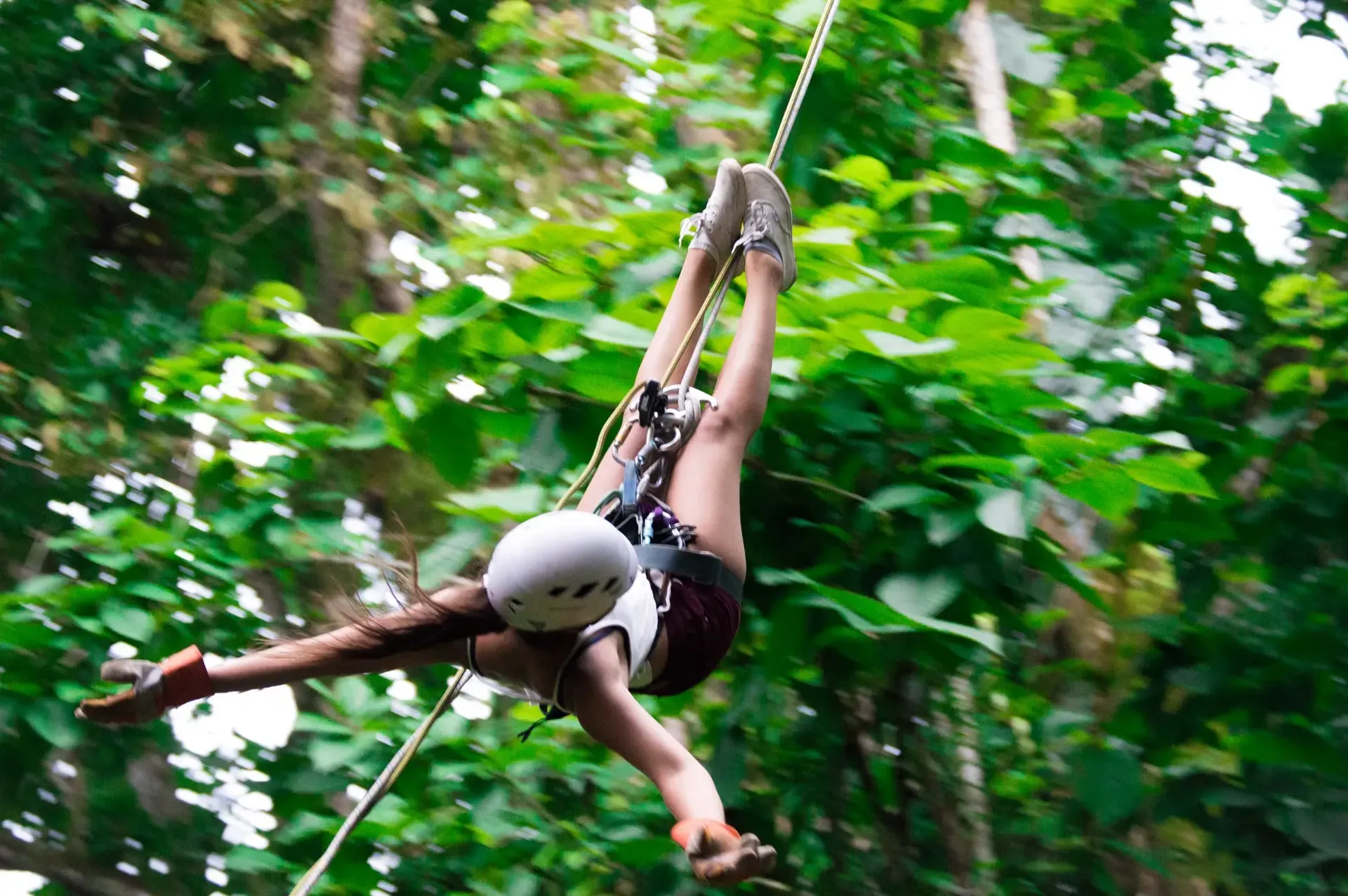
For a thrilling adventure, zip-lining through the rainforest canopy is a must. Several local companies offer canopy tours, allowing you to soar above the trees and get a bird’s-eye view of the jungle. Some tours include suspension bridges, rappelling, and guided night walks, offering a range of ways to experience the rainforest.

Canopy Manuel Antonio National park

Wildlife Spotting: A Unique Experience

Manuel Antonio’s rich wildlife is one of its biggest draws. You’ll find various species of monkeys, including endangered squirrel monkeys and white-faced capuchins. Sloths are another highlight, and the park’s diverse birdlife will amaze birdwatchers. Reptiles and amphibians, like iguanas and poison dart frogs, can also be spotted. In the mangrove swamps, you might even see crocodiles.

Best Times to Visit Manuel Antonio

The best time to visit Manuel Antonio depends on what kind of experience you’re after. The dry season, from December to April, offers sunny weather and is ideal for outdoor activities like hiking and swimming. During the green season, from May to November, you’ll encounter more rain, but the lush, vibrant landscape is worth it. Plus, there are fewer crowds during this time. The afternoon rain usually doesn’t last long, leaving plenty of time for exploration.

Weather and Climate

Manuel Antonio enjoys a tropical climate, with temperatures typically ranging from 70°F to 90°F year-round. It can get quite humid, especially during the rainy season, but the ocean breeze provides some relief.

Sustainable Tourism in Manuel Antonio

Conservation Efforts

Sustainable tourism plays a critical role in preserving Manuel Antonio’s unique ecosystems. The national park limits the number of visitors to protect the environment, and many local businesses follow eco-friendly practices. Visitors are encouraged to respect wildlife and follow Leave No Trace principles.

Responsible Travel Tips

To practice responsible tourism, always stay on designated trails, avoid feeding wildlife, and reduce waste by using reusable water bottles and avoiding single-use plastics. Supporting local eco-tourism businesses helps ensure that tourism in the region remains sustainable.

Best Hotels in Manuel Antonio

  1. Arenas del Mar Beachfront & Rainforest Resort – A luxury eco-friendly resort, offering direct access to both the beach and rainforest, complete with beautiful ocean views and sustainable practices.
  2. Hotel Si Como No – A charming, family-friendly resort nestled in the rainforest, known for its exceptional service and commitment to sustainability.
  3. Gaia Hotel & Reserve – This adults-only luxury boutique hotel provides a serene experience with beautiful views, and a strong focus on eco-friendly practices.
  4. Parador Resort & Spa – Located near the national park, this upscale resort offers a mix of modern amenities and natural surroundings, with access to hiking trails and wildlife watching.
  5. La Mariposa Hotel – Famous for its stunning ocean views, this hotel combines elegance with convenience, making it a great option for families and couples alike.

Traveler Tips for Manuel Antonio

  • Wildlife Watching: Bring binoculars for the best chance of spotting animals in the national park. Mornings are usually the best time for wildlife viewing, as animals are most active early in the day.
  • Park Entrance: Manuel Antonio National Park is closed on Tuesdays, so plan accordingly. Arrive early to beat the crowds and secure your spot, as the park limits daily visitors.
  • Cash and ATMs: While some businesses take credit cards, many prefer cash. It’s a good idea to have local currency (colones) on hand, and there are ATMs in Quepos, about 15 minutes away.
  • Pack Light: If you’re hiking or spending the day at the beach, pack light. Sunscreen, a reusable water bottle, and insect repellent are essentials. Also, pack a waterproof bag for your electronics, just in case of unexpected rain.
  • Public Transportation: The bus system is reliable and budget-friendly, especially for short trips between Quepos and Manuel Antonio. Taxis are also available, but they can be more expensive.

FAQs about Manuel Antonio

What is the best time to visit Manuel Antonio?
The best time is during the dry season (December to April) for sunny weather, but the green season (May to November) offers fewer crowds and lush landscapes.

Can you see wildlife in Manuel Antonio National Park?
Yes! The park is full of wildlife, including monkeys, sloths, iguanas, and countless bird species.

How far is Manuel Antonio from San José?
It’s about a three-hour drive from San José or a 20-minute flight to nearby Quepos.

Are there activities for kids?
Yes! Kids will love swimming, nature hikes, and spotting wildlife in Manuel Antonio.

Is Manuel Antonio a good honeymoon destination?
Absolutely. Its stunning beaches, luxury resorts, and romantic activities like sunset cruises make it perfect for couples.


Trusted Expertise and Strong Partnerships – CRS Tours, Your Reliable Travel Companion
Save Travels CRS Tours
Instituto Costarricense de Turismo
Certificación de sostenibilidad turística
Corcovado foundation
Tripadvisor Travelers Choice Awards 2025 - CRS Tours
Code of conduct CRS Tours
essential costa rica
Global ethics
Pack for a purpose
Hours

Monday to Saturday: 8:00am – 5:00pm

Costa Rica Time = GMT-6
(Central Standard Time, no daylight saving)

Contact Info

Email: 
contact@crstours.com

Toll-Free number from the US:
+1 (800) 431-0137

Phone Costa Rica: 
+506 4001-7794

WhatsApp: 
+506 6108-3327

© 2026 CRS Tours S.A., Costa Rica. All Rights Reserved.
Website developed by César Otárola - OtarolaPhoto.com

Request a call back